These 9 Words Can Tell Where You Grew Up

 Information  Comments Off on These 9 Words Can Tell Where You Grew Up
Jul 242017
 

If said a certain way, these words and phrases are a dead giveaway to where you’re from.

 
In his book “Speaking American” Josh Katz learned that some words are dead giveaways for where an American grew up.

“Some words are like out-of-state license plates—they’re dead giveaways that you’re not from around here. Just try rhyming aunt with can’t in parts of the Northeast or Upper Midwest (you can’t) or ordering a sub in Philadelphia, the epicenter of hoagie country.

In recent years, linguists have pondered whether the homogenizing effects of TV, film, and the Internet have begun to eliminate many so-called regionalisms. To find out, I surveyed Americans about how we talk for my book, Speaking American.”

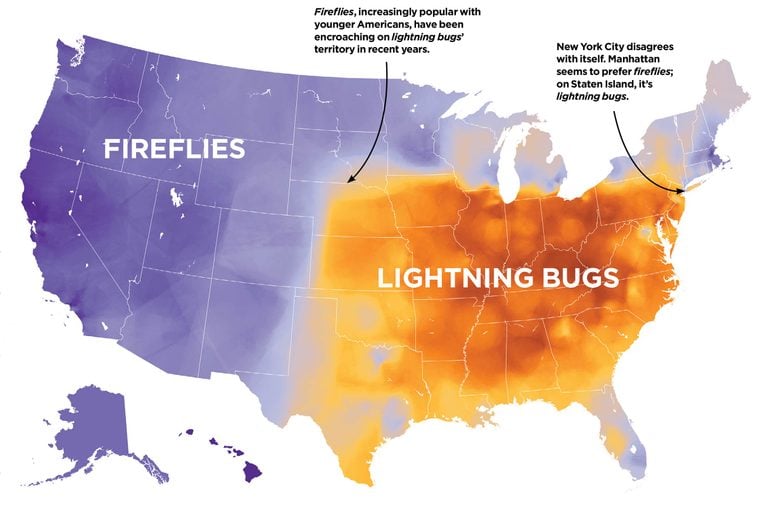
What we call insects that glow at night
These 9 Words Can Tell Where You Grew Up


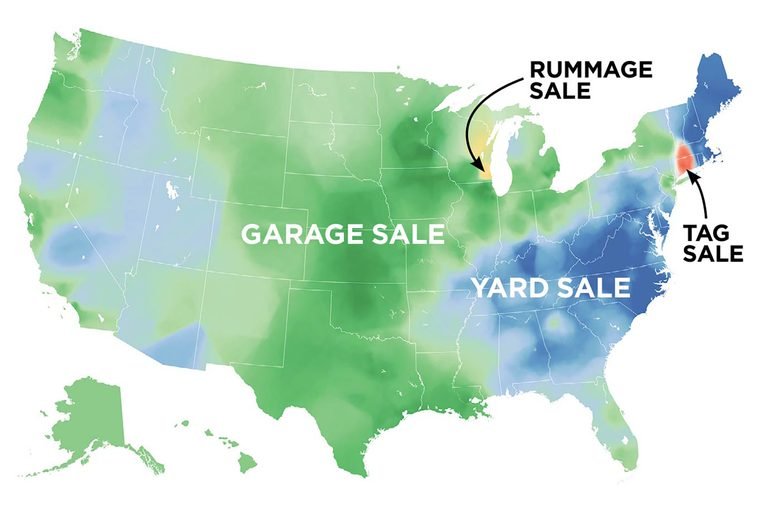
What we call a sale of household items
These 9 Words Can Tell Where You Grew Up


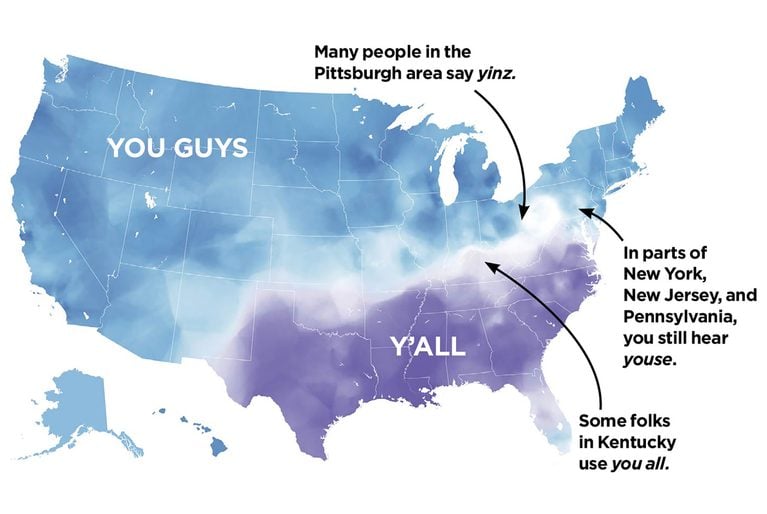
How we address a group of people

These 9 Words Can Tell Where You Grew Up
 

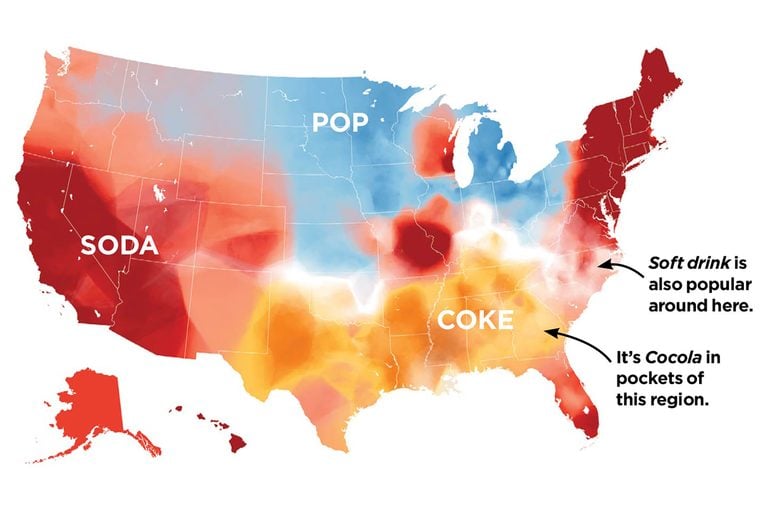
What we call carbonated beverages

These 9 Words Can Tell Where You Grew Up

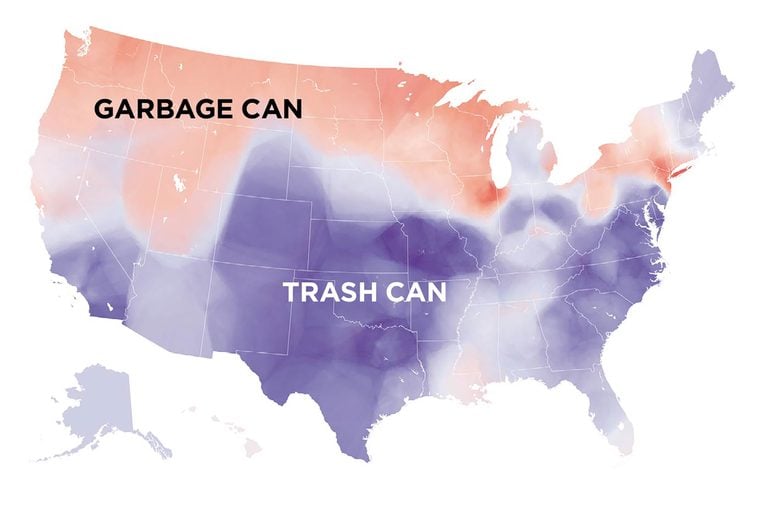
Where we throw our trash

These 9 Words Can Tell Where You Grew Up


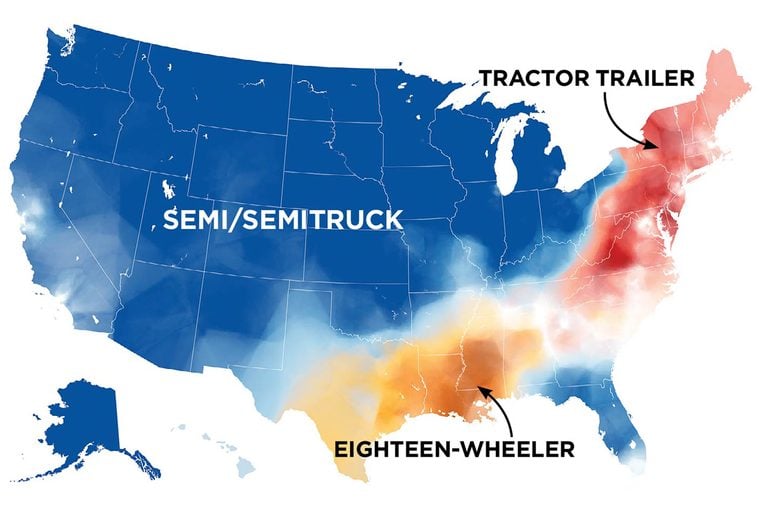
What we haul freight in

These 9 Words Can Tell Where You Grew Up


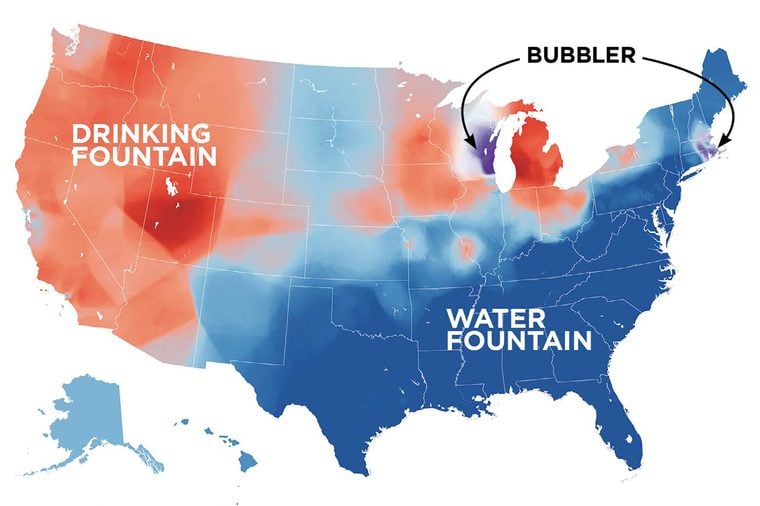
What we drink from in public places

These 9 Words Can Tell Where You Grew Up


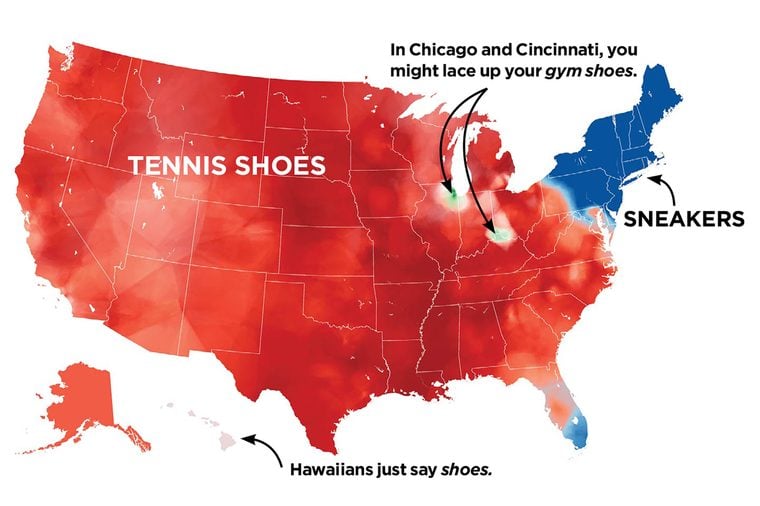
What we call athletic footwear

These 9 Words Can Tell Where You Grew Up


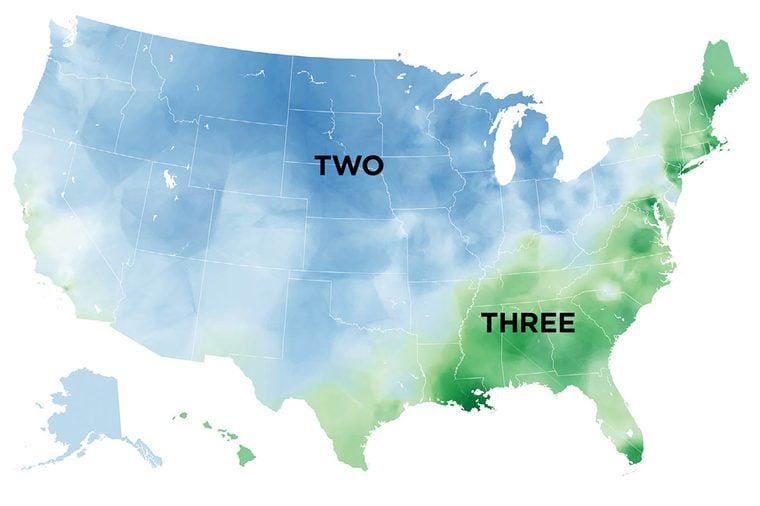
How many syllables in caramel?

These 9 Words Can Tell Where You Grew Up


via

The True Size Of The Moon

 Information  Comments Off on The True Size Of The Moon
Jun 102017
 

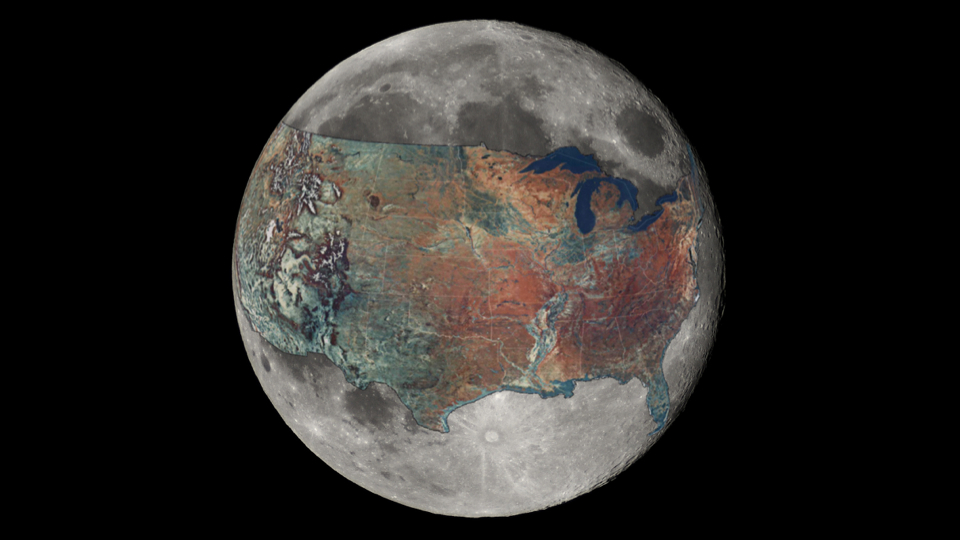
And now for a sense of scale: a map of the U.S. overlaid on the Moon

The True Size Of The Moon

The greatest distance between two points within the contiguous U.S. is 2,892 miles, stretching from Point Arena, CA to West Quoddy Head, ME*. The circumference of the Moon is 6,784. To help put the scale of each into perspective, redditor boredboarder8 decided to overlay one on top of the other, giving rise to the approximation you see above. [Click here for hi-res]

Writes boredboarder8:

It was difficult for me to fathom the size of the moon, thus inspiring the creation of this map. For me, this map puts the scale of the moon much smaller than I previously imagined. But it’s really interesting hearing how others (already grasping the size of the moon) now see the US as larger. [Ed.: ‘MURICA, amirite?]

It was one definitely a weird challenge to take a “flat” map of something on a sphere and project it onto a smaller sphere. Got mindfucked a few times along the way. Certainly take it only as an approximation, but what intrigued me the most is that the distance spanning the continental United States is roughly equal to a little less than half the circumference of the moon.

We repeat: this is just a rough estimate, but it’s certainly good enough for government work when it comes to illustrating the Moon’s relative dinkiness. (Or America’s hulking hugeness, depending on how patriotic you’re feeling.)

It’s strange — when we imagine objects in our solar system (even ones we know to be “small,” relative to other celestial bodies) I suspect that many of us regard them as just being unrelatably huge. They exist at scales so large, and at distances so vast, that numbers relating to mass, surface area and volume — descriptive though they may be — are rendered effectively meaningless.

So it’s always nice when images like this come along that help put things into perspective, whether it’s a side-by-side comparison of all the water on Earth relative to the Earth itself, a figure illustrating there’s more water on Jupiter’s moon Europa than there is on Earth, or a map of the U.S. slapped across the Moon’s near-side.


via