Apr 072026
 

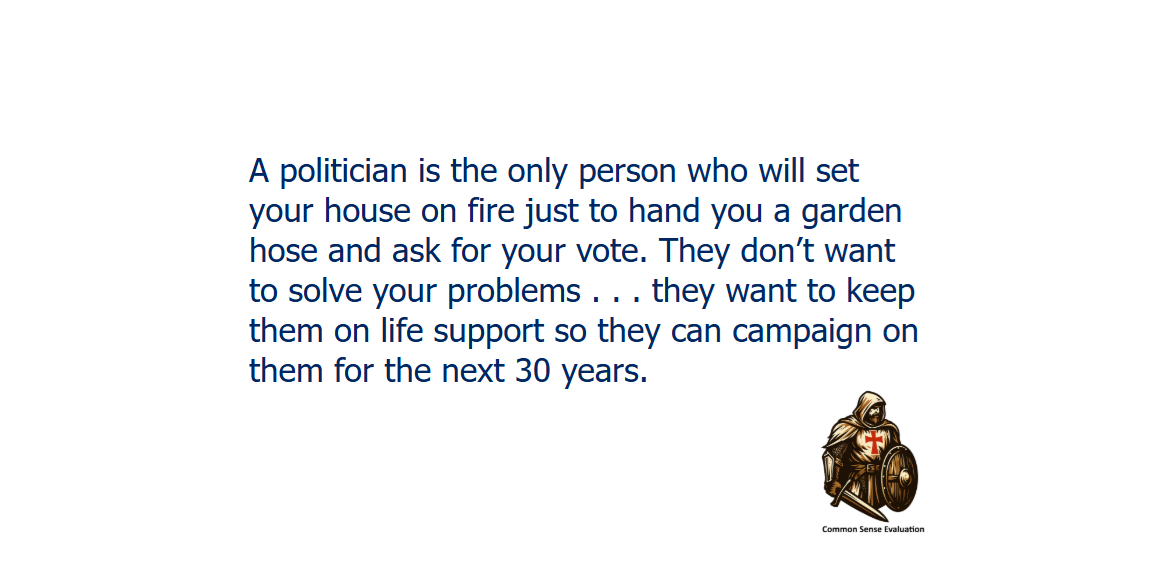
Ignored by the Political Class - The painful truth: Washington politicians no longer live in the same world as the rest of us. Why regular Americans feel forgotten and powerless.

You wake up before dawn, grab your coffee, and head out the door to a job that barely covers the bills. Gas prices climb again. Groceries eat up half your paycheck. Your kids come home from school with questions you cannot answer because the world feels heavier than it did last year. Meanwhile, the people in Washington smile for the cameras, talk about “progress,” and jet off to their next fundraiser.

It is not in your head. Millions of regular folks feel the same sting every single day. The political class does not just overlook you. They operate in a world so removed from yours that your daily fights barely register on their radar. This is not a glitch in the system. It is how the system now runs.

The Bubble That Separates Leaders from Everyone Else

Picture the average lawmaker. They spend most of their time inside secure buildings, riding in cars with tinted windows, and eating meals most families could never afford. Their kids attend private schools. Their health care comes through special plans. When they need something fixed, someone else handles it.

You do not get that luxury. You wait in line at the DMV. You stretch every dollar until it screams. You lie awake wondering if the next layoff notice will land on your desk. The distance between their daily reality and yours grows wider each year. They fly first class while you sit in traffic. They debate billion-dollar projects while you decide whether to fix the car or buy new shoes for your child.

This separation is not accidental. Once people gain power in Washington, a quiet shift happens. Their circle shrinks to other powerful people. Advisors, donors, and media handlers surround them. The voices of truck drivers, nurses, factory workers, and small-business owners fade into background noise. They hear statistics instead of stories. They see polls instead of people.

“The men and women who make our laws no longer live among us. They visit during campaign season, shake a few hands, and disappear back into their protected world.”

That distance explains why so many promises dissolve the moment the election dust settles. They simply do not feel the pain you feel.

Empty Words That Never Turn into Real Change

Listen to any campaign speech. You hear the same script: “We will fight for working families.” “We will secure the border.” “We will lower costs and protect your future.” The crowd cheers. Signs wave. Then the candidate wins, and the real work begins.

Months later, the cost of living keeps rising. Factories still close. Communities watch their best young people move away for better opportunities that never seem to arrive. The same leaders who vowed to fix things now explain why the problem is “complicated” or “requires more study.”

You have seen this pattern repeat across both parties for decades. It is not that they lack intelligence. Many are sharp, well-educated, and surrounded by experts. The trouble is priorities. Their calendar fills with meetings that matter to their donors and their reelection chances. Your concerns stay on the back burner because fixing them would upset the comfortable balance they enjoy.

This cycle breeds a deep exhaustion. You vote. You show up. You hope. Then nothing meaningful shifts. The frustration builds because the political class has mastered the art of looking busy without delivering results that reach your kitchen table.

How Big Money Quietly Shapes Every Decision

Follow the dollars and the picture clears fast. Campaigns cost tens of millions. Only a small group of wealthy donors, corporations, and interest groups can write those checks. Once elected, officials must keep those relationships warm if they want to run again.

That money does not come from your neighborhood. It comes from boardrooms, law firms, and gated communities far from the daily grind most Americans face. Policy starts to tilt toward the people who write the biggest checks. Tax rules favor certain industries. Regulations protect established players while crushing new competition. Trade deals sound great on paper but leave local factories empty.

Meanwhile, your letter to your representative gets a polite form reply. Your call to the district office gets routed to an intern. The system is built to reward those who can pay to play and sideline those who cannot.

You notice it in the little things. Drug prices stay high even though the same pills cost pennies to make overseas. Energy policy swings wildly while your heating bill climbs. Infrastructure projects get announced with fanfare, yet the potholes on your street remain. The political class serves the interests that keep them in power. Your voice, no matter how loud, carries less weight.

The Media Machine That Protects the Status Quo

Turn on any major news channel or open a big newspaper. The stories rarely center on the quiet desperation in towns across Pennsylvania, Ohio, or rural America. Instead, you get endless coverage of what the powerful say to one another. Scandals involving regular people get buried. Failures of policy get spun as “challenges” or blamed on the other side.

This echo chamber reinforces the disconnect. Reporters and editors often live in the same expensive cities and attend the same events as the politicians they cover. They breathe the same air. They share the same assumptions. When you point out that life feels harder than the headlines suggest, you are told the data says otherwise.

The result is simple: your lived experience gets dismissed as anecdotal. Your neighbor who lost his job gets labeled part of a “transition period.” Your family’s struggle with medical debt becomes a “systemic issue” that needs another blue-ribbon commission. The political class and their media allies convince themselves everything is mostly fine because their version of fine looks nothing like yours.

The Everyday Battles That Never Make the Agenda

Inflation does not care about party platforms. It shows up in your grocery cart and your utility bill. Good-paying jobs keep disappearing while the official unemployment number looks acceptable on paper. Schools teach theories that feel disconnected from the skills your kids will actually need to survive. Neighborhoods feel less safe, yet leaders debate topics that seem worlds away from the fear you feel when your teenager walks home at night.

These are not abstract problems. They are the air you breathe. Yet time after time, the political class treats them as secondary. They chase headlines instead of solutions. They argue over process while your world shrinks.

You are not asking for special treatment. You want leaders who understand that a strong country starts with strong families, stable communities, and honest work that pays the bills. When those basics erode, trust collapses.

What This Disconnect Really Costs All of Us

When millions feel ignored, something deeper breaks. People stop believing their effort matters. They stop trusting institutions that once felt solid. They withdraw from the public square because it no longer feels like it belongs to them.

This is not healthy for any nation. A country divided between those who hold power and those who feel powerless cannot last in its current form. The political class may not lose sleep over it, but you do.

The good news is that awareness itself is power. When enough people see the pattern clearly, they begin to demand better. They focus on local action where their voice still carries weight. They support candidates who live closer to the ground. They refuse to accept the scripted answers and start asking harder questions.

You already know the truth in your bones. The political class has grown too comfortable, too insulated, and too focused on its own survival. Your struggles are real. Your concerns are valid. And the only way the game changes is when enough regular people decide they will no longer settle for being invisible.

The next time a smiling face on television promises the world while your bills pile up, remember this: you are not alone in what you see. The disconnect is wide, but your eyes are open. That matters more than they want you to believe.

America for Sale: How Foreign Money Buys U.S. Policy

 Conspiracy, Featured, Political  Comments Off on America for Sale: How Foreign Money Buys U.S. Policy
Mar 172026
 

America for Sale: How foreign governments and billionaires use hidden money to control Congress, trade, and universities. Wake up now.

Imagine waking up to news that your country’s decisions on trade, aid, and even education are shaped not by voters like you, but by deep pockets from overseas. It happens more than you think. Foreign cash flows into the halls of power, tilting the scales in ways that favor outsiders over everyday Americans. This isn’t just a distant worry. It’s a reality that touches jobs, security, and the future we build for our families. Let’s pull back the curtain on how this system works and why it’s time to pay attention.

Foreign interests have poured over half a billion dollars into shaping U.S. decisions since 2017 alone, buying access that ordinary folks could never afford.

The Hidden Channels of Influence

Foreign money doesn’t just knock on the door. It slips in through clever paths designed to look clean and legal. Think about groups that lobby lawmakers. These are outfits hired by other countries to push for changes in laws or funding that benefit them. For instance, nations in East Asia, like South Korea and Japan, have spent tens of millions each year to sway opinions on trade deals and alliances.

But it’s not only governments. Wealthy individuals from abroad funnel cash through nonprofit organizations here in the States. A recent report shows six foreign entities tied to billionaires have routed more than two and a half billion dollars into American advocacy groups. These funds support causes that align with their agendas, from climate policies to social issues. The loophole? Nonprofits don’t have to reveal every donor, so the true sources stay in the shadows. This setup lets outsiders meddle in elections and policy without leaving fingerprints.

Take universities as another example. Schools receive huge sums from foreign sources, often without full disclosure. One study found that from 2010 to 2016, half of these gifts went unreported. When investigations dug deeper, they uncovered billions in hidden funds. These dollars can steer research and teaching toward views that suit the donors, not the nation’s needs.

Key Players Pulling the Strings

Who stands to gain from this? Let’s look at the top spenders. Saudi Arabia tops the list in recent years, with efforts focused on building favorable ties after past tensions. They’ve hired teams to meet with lawmakers, host events, and shape public views. Close behind are places like the United Arab Emirates and Ukraine, each logging hundreds of political contacts to advance their interests.

China plays a big role too. Through talent programs and investments, they recruit experts and fund projects that give them an edge in technology and trade. Japan and South Korea invest heavily to protect their economic stakes, influencing everything from tariffs to military aid.

Then there are the billionaires. A Swiss tycoon, for one, has channeled over sixty million dollars to progressive groups in just two years. This money flows to outfits that push for redistricting and other changes, all while the giver stays offshore. It’s a pattern: Rich foreigners use American nonprofits as pipelines to amplify their voices in our debates.

These players aren’t random. They’re strategic, targeting committees that control foreign aid, subsidies, and regulations. When a connected lawmaker leaves a key spot, aid to that country can drop by millions. It’s proof that personal ties translate to real dollars and decisions.

When foreign cash talks, American priorities walk – aid, tariffs, and subsidies shift to suit outsiders, leaving us to foot the bill.

Real-World Examples That Hit Home

History is full of cases where foreign money tipped the balance. Consider foreign aid. Data shows that countries with strong lobbying ties get boosts in U.S. support. One analysis found that after a lawmaker with connections steps down from a relevant committee, aid to that nation falls by about fifteen million dollars on average. That’s taxpayer money redirected based on who has the best access.

Tariffs tell a similar story. Nations that build relationships with U.S. officials see better odds for favorable trade rules. Four years after losing a key ally in Congress, a country’s chances of getting helpful legislation drop by four percentage points. It’s not coincidence; it’s calculation.

Corporate subsidies offer another angle. Foreign firms linked to American lawmakers through district changes receive twenty percent more in grants after redistricting. Think about that: Companies from abroad get extra help from our government, often at the expense of local businesses.

Elections aren’t immune either. The 2016 cycle saw foreign actors buy online ads to sway voters, exploiting weak rules on disclosure. Now, corporations with foreign owners – like big names in tech and energy – pour money into campaigns. A loophole from a Supreme Court ruling lets them spend freely, as long as they have a U.S. base. Bills to close this gap exist, but progress is slow, raising questions about who’s really in charge.

Even protests and advocacy feel the touch. Foreign charities have funneled nearly two billion dollars to groups pushing climate and justice agendas. One such fund has ties to overseas powers, blending their goals with American movements.

The Cost to Everyday Americans

This influence doesn’t stay in Washington. It ripples out to your wallet and community. When foreign lobbying sways trade policies, American jobs in manufacturing or tech can vanish. Subsidies to overseas firms mean less support for homegrown innovation. And when universities hide foreign gifts, it risks compromising research that could lead to breakthroughs in health or security.

Worse, it erodes trust. If decisions favor those who pay the most, what happens to the voice of the average citizen? Policies on immigration, energy, and defense start reflecting global agendas over national ones. Foreign exchange manipulations add another layer, where countries tweak currencies to undercut U.S. exports, hurting farmers and factories.

The numbers are staggering. Over five hundred million dollars in lobbying since 2017, billions more through nonprofits – it’s a flood that drowns out fairness. And with intelligence warnings of ongoing meddling, the threat grows.

Billions flow in, jobs flow out – foreign influence turns American dreams into distant memories for too many families.

Steps to Reclaim Control

You don’t have to sit idle. Start by demanding transparency. Support laws that require full reporting of foreign funds in universities and nonprofits. Push for bills that bar corporations with significant overseas ownership from election spending.

Educate yourself and others. Follow reports from watchdogs tracking these flows. Vote for leaders who prioritize closing loopholes over taking easy money. Join groups advocating for campaign finance reforms that put Americans first.

On a personal level, question the sources behind big advocacy pushes. When a policy seems off, dig into who benefits. Share stories like these to build awareness. Change starts when enough people see the problem and act.

A Call to Wake Up

The system as it stands puts America up for auction, with foreign bidders often winning. From lobbying millions to hidden billions, the evidence mounts that outside forces shape our path. But knowledge is power. By shining a light on these practices, we can demand a government that answers to us, not distant donors.

It’s time to protect what makes this nation strong: decisions driven by the people, for the people. Stay vigilant, speak out, and let’s turn the tide before it’s too late.

Justice

 Featured, Inspiration, Political, View Point  Comments Off on Justice
Mar 072026
 

Justice moves slowly, but it moves. Stay steady, stay loud, and stay unbroken, because when the day of accountability arrives, it will be carried on the shoulders of a people who never stopped believing in the truth.


Justice moves slowly, but it moves. Stay steady, stay loud, and stay unbroken, because when the day of accountability arrives, it will be carried on the shoulders of a people who never stopped believing in the truth.

Testing Vaccines

 Featured, Funny, Political, View Point  Comments Off on Testing Vaccines
Feb 192026
 

All vaccines should be tested on politicians and bureaucrats. If they survive, with no side effects the vaccine is safe. If they don't survive, the country is safe.


All vaccines should be tested on politicians and bureaucrats.

If they survive, with no side effects the vaccine is safe.

If they don’t survive, the country is safe.

Screw Ups

 Featured, Political, View Point  Comments Off on Screw Ups
Jan 242026
 

Every time politicians screw up, they don’t fix anything — they just lecture the people who noticed.


Every time politicians screw up, they don’t fix anything — they just lecture the people who noticed.