The Strategies and Techniques of the Elite for the Manipulation of Public Opinion and Society
1. The strategy of distraction
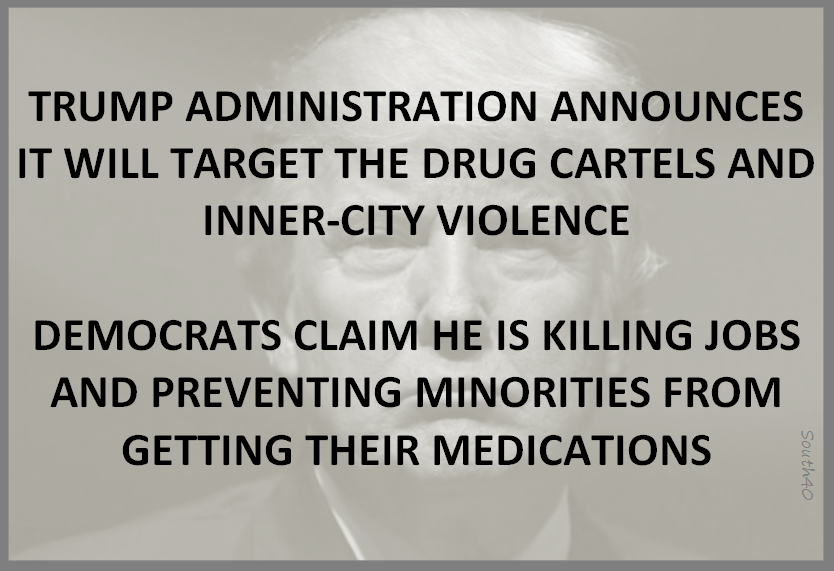
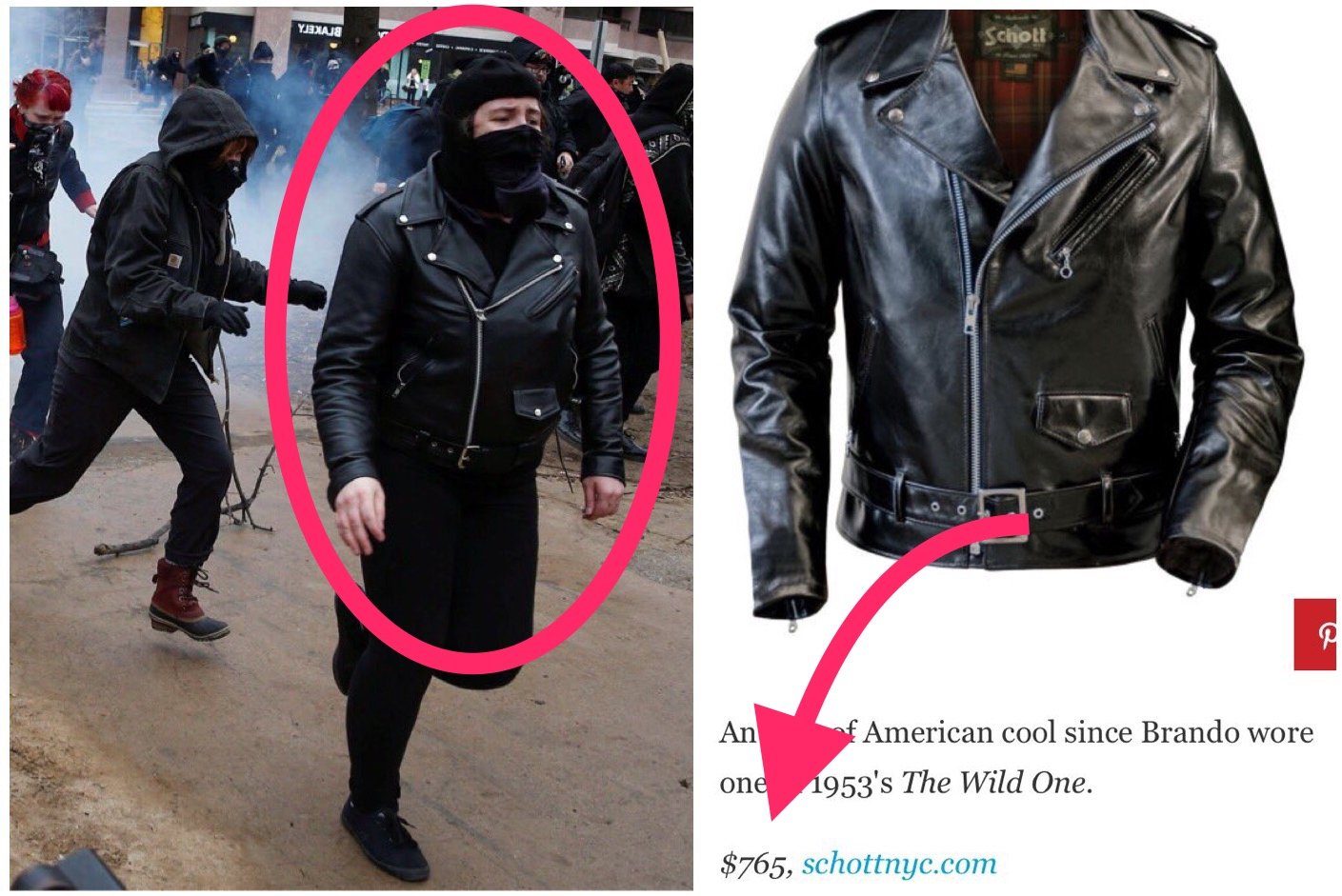
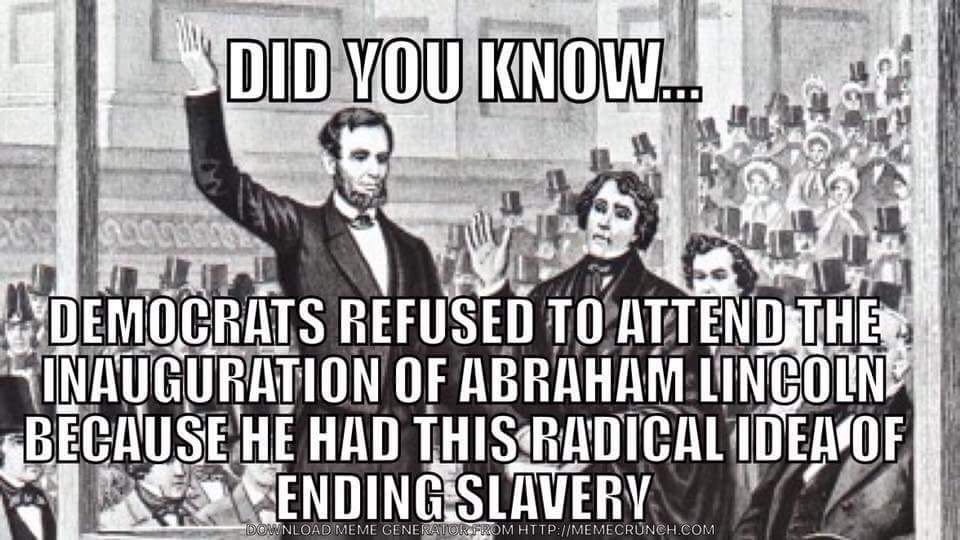
The prime element of social control is the strategy of distraction consisting of deviating the public attention from the important problems and from the mutations decided by the political and economic elites by means of the flooding technique or the continuous inundation of distractions and insignificant information.
The strategy of distraction is equally indispensable to prevent the public from getting interested in the essential knowledge in areas of science, economy, psychology, neurology and cybernetics.
“To maintain the public attention distracted, away form the true social problems, captivated by subjects of no real importance. To maintain the public busy, busy, without any time to think; going back to the farm with the other animals.”
2. Create problems, then offer solutions
This method is also known as “problem-reaction-solution”. It creates a problem, a foreseen “situation” to provoke a certain reaction in the public in order to make this one the demanding force of measures that are desired to be accepted.For example: to let urban violence develop and intensify, or to organize bloody terrorist attempts in order for the public to demand laws of security or police-oriented ones in detriment of freedom. Or also: to create an economic crisis to make accepted the backward movement of social rights and the breaking down of public services as a necessary evil.
3. The strategy of degradation
To make accepted an unacceptable measure it is sufficient to apply it progressively, in a “degraded” manner, over a duration of 10 years. It is in this way that radically new socio-economic conditions have been imposed during the years 1980 to 1990. Massive unemployment, lacking, flexibility, relocation, salaries that no longer secure a decent income, so many changes that would have provoked a revolution should they be abruptly applied.
4. The strategy of differing
Another way of making accepted an unpopular decision is to present it as “painful but necessary”, obtaining the agreement of the public in the moment for the future application. It is easier to accept a future sacrifice than an immediate one. Firstly, because the effort is not deployed immediately.Next, because the public, the people, have always the tendency to naïvely hope that “all will go better tomorrow” and that the demanded sacrifice may be avoided. Anyway, this allows more time for the public to be accustomed to the idea and to accept it with resignation when the moment comes. Recent example: the move to the Euro and the loss of their economic and monetary sovereignty have been accepted by the European countries from 1994 to 1995 for their application in the year 2001. Another example: the multilateral agreements ofALCA (or FTAA) that the United States have imposed in the year 2001 to the countries of all the American continent (Central and South America) in spite of their reticence, conceding an application and the coming into force in the year 2005.
5. To address the public as children of younger age
The majority of the publicity “spots” addresses the public at large with the use of a discourse, arguments, personages, and a tone particularly infantile, many times near the weak, as if the spectator were a child of younger age or a mental handicapped. The more it intends to seek the deception of the spectator or listener, the more it is its tendency to adopt an infantile tone. Why? If it is addressed to a person as if he or she had 12 year of age, then, by reason of suggestion, he or she would also have, with a certain probability, a response or reaction that is lacking of a critical sense same as is the case of a person of 12 years of age.”
6. To utilize an emotional aspect rather than a reflection
To make use of the emotional aspect is a classic technique for making a short-circuit to the rational analysis, and hence to the critical sense of individuals. Besides, the utilization of the emotional registry allows us to open an access door to the unconscious to implant or to insert ideas, wishes, fears or worries, pulsations, or to induce behaviors.
7. To maintain the public in ignorance and stupidity
To make it in a way that the public is unable to comprehend the technologies and the methods utilized for their control and slavery. “The quality of the education given to the lower social classes must be the poorest or the most mediocre possible, in a way that the breach of ignorance that isolates the lower classes from the upper social classes must be and remain incomprehensible to the lower social classes.”
8. To promote in the public complacency with mediocrity
To promote in the public the idea that being stupid, vulgar and uneducated is “cool”.
9. To replace revolt with guilt
To make the individual believe that he himself is the only responsible for his misfortune, the cause of the insufficiency of his intelligence, of his capacities, or his efforts. Thus, instead of rebelling against the economic system, the individual self-devaluates and self-blames, which generates a depressive state, one of its effects is the inhibition of action. And without action, there is no revolution!
10. To know individuals better than they know themselves
In the course of the last 50 years, the accelerated advances of science have generated a growing breach between the knowledge of the public and that one possessed and utilized by the leading elites. Thanks to biology, neurology and applied psychology, the “system” has achieved an advanced knowledge of the human being, both physically and psychologically. The system has been able to know the common individual better than what the individual know about himself. This means that in the majority of cases, the system possesses a greater control and a greater power over individuals than what individuals have over themselves.