What kind of government warns us not to enter very dangerous countries, yet lets people from those same countries just walk into ours without a passport?
Exposing how the establishment survives by keeping people divided
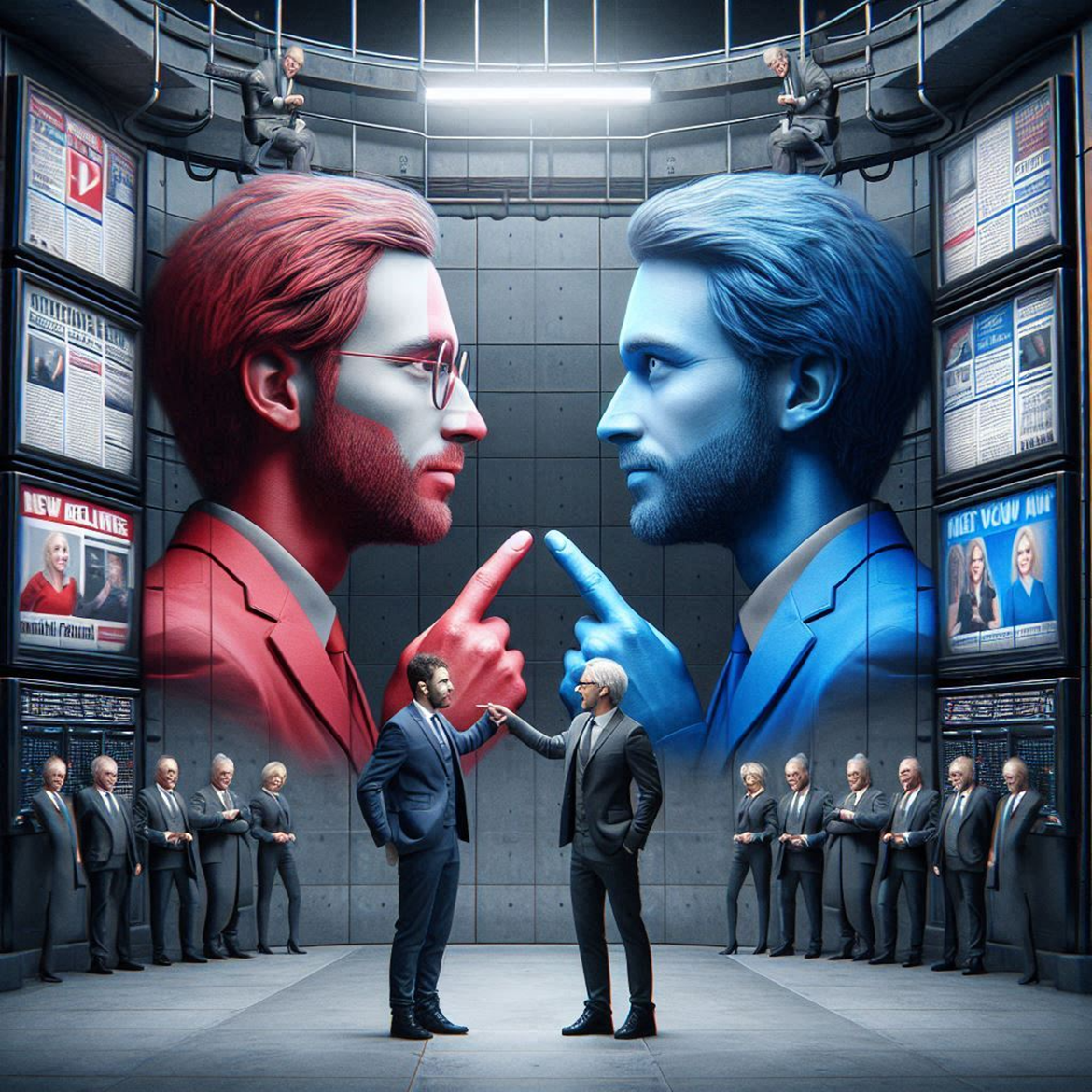
You ever get that feeling? Like something big is happening behind the scenes? Not necessarily aliens or secret societies (though, who knows, right?), but something closer to home. A system. A way, things just… stay the way they are, no matter how loud people yell. You see it every election season: the fever pitch, the blame game, the “other side” painted as demons. But take a step back. Notice the patterns. Notice how quickly the anger flares, then dies down once the votes are counted. Something feels… managed.
Think about where your attention gets pulled. Constant news alerts telling you to be furious. Political debates that feel more like reality TV brawls than serious discussions. Endless arguments online about things that feel huge at the moment but change nothing fundamental. Who owns the biggest microphones pushing this stuff? Where does the money really flow?
It’s almost like keeping us locked in a permanent state of outrage towards each other is the point. While we’re busy shouting across the aisle or clutching our pearls on social media, massive decisions get made. Think about it. Giant bills passing with little debate. Deals cut behind closed doors. Wealth shifting upwards at an insane pace. When was the last genuine debate on something that actually shifted power away from the powerful and towards regular folks? Feels elusive, doesn’t it?
Scratch beneath the current frictions. The real fuel for that simmering anger just below the surface? It’s not just politics. It’s stress. Real, grinding stress. Wages that haven’t kept up for decades. The constant fear of losing healthcare or a job. The impossible climb to afford a decent home or save for the future. That gnawing sense that the rules are rigged, that hard work doesn’t guarantee security anymore.
Now, here’s the key: this insecurity isn’t an accident. It’s baked into the structure. Think about it. People terrified of losing their jobs are less likely to make waves. Families struggling to pay bills have little time or energy to demand systemic change. When you’re living paycheck to paycheck, focused purely on survival, questioning the big picture becomes a luxury.
Both established parties benefit enormously from this environment. Their wealthy friends and donors thrive on cheap labor and unchallenged power. Angry, exhausted workers fighting amongst themselves over crumbs from the table? That keeps the whole machine humming along nicely. Addressing the real sources of economic stress – truly rewriting the rules – would upset that cozy arrangement. And that is what they genuinely fear: organized, rested, economically secure citizens demanding accountability and a fairer share.
They present us with two sides: Team Red and Team Blue. Locked in an eternal battle. You must pick one. They fundraise off hating the other. Their media champions scream about the existential threat posed by “them.” It feels urgent, vital! Choosing the right team is paramount! But hold on… examine the record. Regardless of who holds the fancy titles in that big building in DC, does the core trajectory ever fundamentally shift? Does the overwhelming power concentrated among the extremely wealthy ever lessen? Does the influence of big industries wane meaningfully? Does spending on defense ever shrink?
Look closely. Notice how certain things remain strangely constant, like boulders in a rushing political stream. The core operational system – the rules governing markets, finance, and global power – remains largely untouched by the passionate theater of elections. Major shifts happen regardless of who holds power. It gives the appearance of fierce competition, of fundamental choice, but the outcome often favors the same entrenched players. Divided, we see each other as the enemy. United, we might start asking why those untouched boulders are really there and who put them there. That kind of united focus is deeply unsettling to those at the top.
Here’s the unspoken truth fueling everything: Stability for the status quo depends on these divisions. Think about moments of real, organic connection across the usual boundaries. Remember during the lockdowns how people started helping neighbors regardless of political signs in their yard? Remember the mutual aid networks that sprung up? Or when vast, diverse crowds demanded fundamental change on single issues?
In those brief moments, the carefully constructed walls start to crumble. People see a shared problem – maybe it’s a corrupt war, maybe it’s runaway greed crushing communities, maybe it’s blatant corruption – and the artificial political labels suddenly feel less important. They see the strings holding up the partisan puppets. This is when genuine fear sparks behind the scenes. Coordinated pressure from an united populace, however diverse their reasons, presents an uncontrollable chaos. They lose their ability to direct the narrative, to manage the anger.
Suddenly, the threat isn’t the “other side” you’ve been trained to hate; the threat becomes an awakened citizenry recognizing the real architects of their frustration. This awakening bypasses the control systems built over decades. That is the ultimate nightmare scenario for the political establishment and their backers. An unmanageable public focusing its energy upwards instead of sideways.
So, what can you do? It starts with recognizing the patterns. Ask yourself:
Shift your energy. Instead of endlessly yelling into online partisan voids, focus locally where individual actions can actually ripple outwards. Organize a community clean-up. Join or start a food cooperative. Support local independent media asking hard questions about local power structures. Learn a practical skill and teach others. Build something tangible, face-to-face, with your neighbors.
Real power isn’t found in the loudest online mob chanting predictable slogans. Real power starts when people, fed up with the theater and the scarcity, start connecting, cooperating, and building local solutions independent of the permission of distant political machines. They’ve built an elaborate system to keep us managed. The crack in the wall starts when we stop accepting the divisions they sell us. When genuine connection between ordinary people happens, focused on shared reality, that is what truly shakes the foundation. That’s the awakening they work so hard, day after day, show after show, crisis after crisis, to prevent. See it. Name it. Then start building beyond it. That’s where the real control begins.
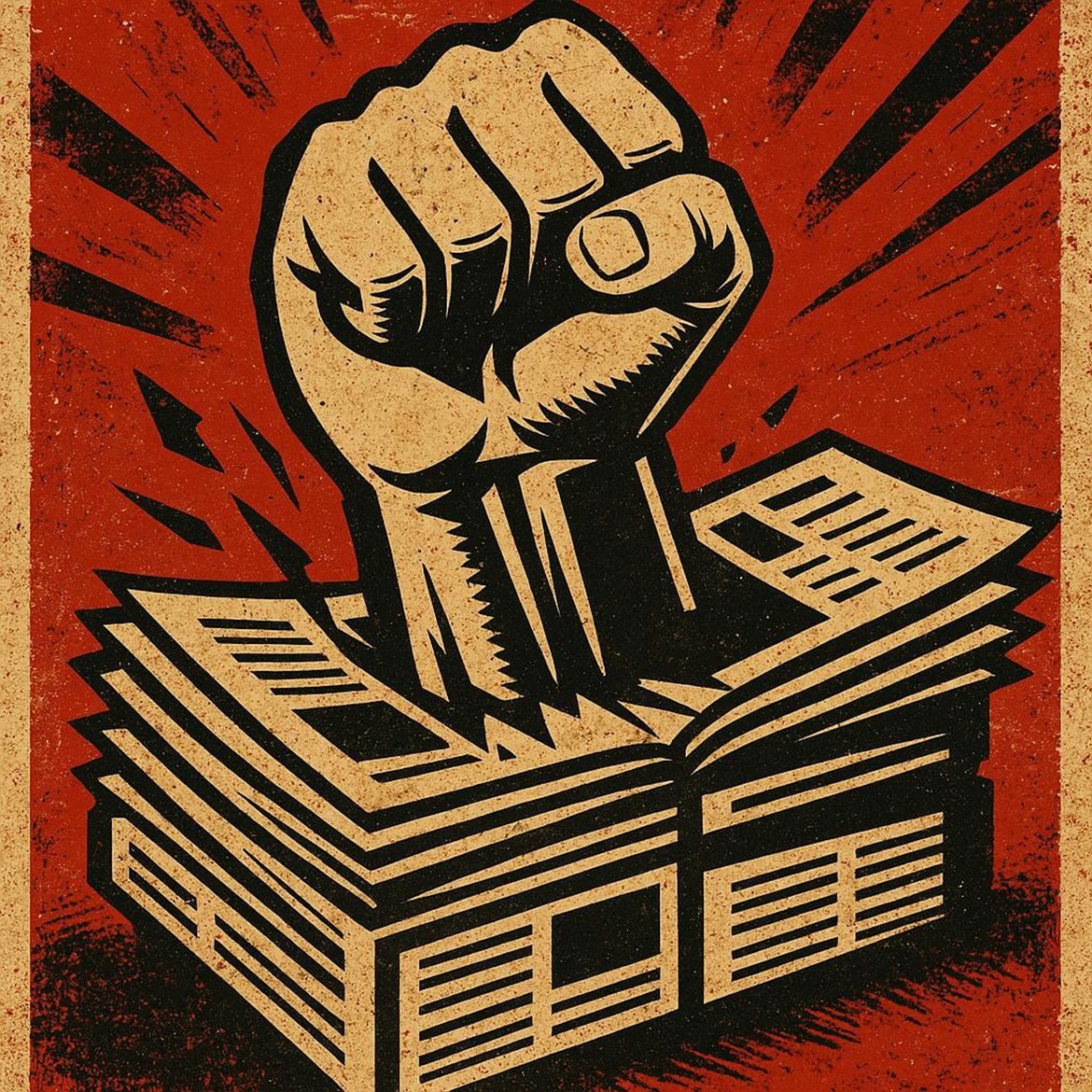
You already know this. You feel it every time you flip on the news, scroll through a feed, or glance at the headlines in the checkout line. Trust in media hasn’t collapsed by accident — it’s been earned through years of deceit, spin, and smug contempt for the very people they’re supposed to inform.
The media is lying to you about everything that matters.
Not the weather. Not last night’s football scores. Not the celebrity scandal, they know will distract you. About the things that shape your life — your paycheck, your freedom, your security, your children’s future.
And the lies are clever. They’re not usually bald-faced whoppers, though those happen too. They’re lies by omission, by selective outrage, by framing. They’re half-truths packaged as objectivity, distortions dressed up as “fact-checks.” They’ll bury a story under ten layers of jargon. They’ll inflate a distraction into a national crisis. They’ll present a question of life and death as a “both sides” debate, but when it comes to their own power, suddenly there’s only one side — theirs.
Think about what gets pushed to the front page versus what disappears into the back.
They’d rather distract you with outrage-of-the-day controversies, celebrity gossip, or arguments about words. They’ll cover a viral TikTok clip for 48 hours straight but won’t touch why your paycheck buys less every year.
Because if they did, if they pulled back the curtain even for a second, the whole system of power they’re part of would be exposed.
The media doesn’t serve you. You’re not their customer. You’re the product.
Their real customers are advertisers, donors, corporations, and politicians who rely on them to launder talking points into “news.” Watch long enough, and you’ll see the revolving door in action: journalists leave the newsroom to become political staffers, press secretaries, or consultants — and politicians leave office to become pundits on TV. They’re not separate institutions. They’re one club, and you’re not in it.
And this club has one mission: keep you managed. Keep you divided, distracted, and docile. Keep you hating your neighbor more than the elite who’s actually picking your pocket. Keep you fighting over scraps while they carve up the whole roast.
Look back just a few decades and count the deceptions.
Wrong, wrong, wrong — yet the same “experts” still have jobs, still have platforms, still wag their fingers at you for “misinformation.” In any honest profession, failure has consequences. In media and politics, failure is a promotion.
Here’s the dirty secret: they lie because they’re afraid of you.
They know ordinary people are smarter than they pretend. They know you see through the spin. They know that if you had the full truth about how decisions are made — how wars start, how laws are written, how money changes hands — you might not tolerate the game anymore.
And so the media’s role is not to inform, but to contain. Not to expose, but to excuse. Not to challenge power, but to shield it.
So what do we do? Stop expecting honesty from a machine designed to lie. Stop begging for scraps of truth from people who hold you in contempt. Build your own networks of information. Talk to your neighbors. Read sources outside the approved narrative. Support platforms that don’t rely on corporate ad money to survive.
Because the media will keep lying. That’s their job.
But the question is: will you keep believing?
The truth is simple, and that’s what makes it dangerous: the media lies about everything that matters because telling the truth would expose how fragile the system really is. And once enough people see that clearly, their whole charade collapses.
You don’t need them to tell you what’s real. You live it every day.
And you know: the media is lying to you.

