When I was a medical student, my ‘Firm’ was about to start our psychiatry rotation. On the first day we turned up on the Psychiatric ward a bit worried about how we may find it, having heard rumors as you do.
We were quite relieved when the Registrar, Dr. Smith, introduced himself and took us into the teaching room to tell us about all the patients on the ward; he did a good job.
Unfortunately, our fears returned after 1/2 hour when the proper registrar arrived and introduced us to Dr. Smith who was, in fact, one of the patients himself.
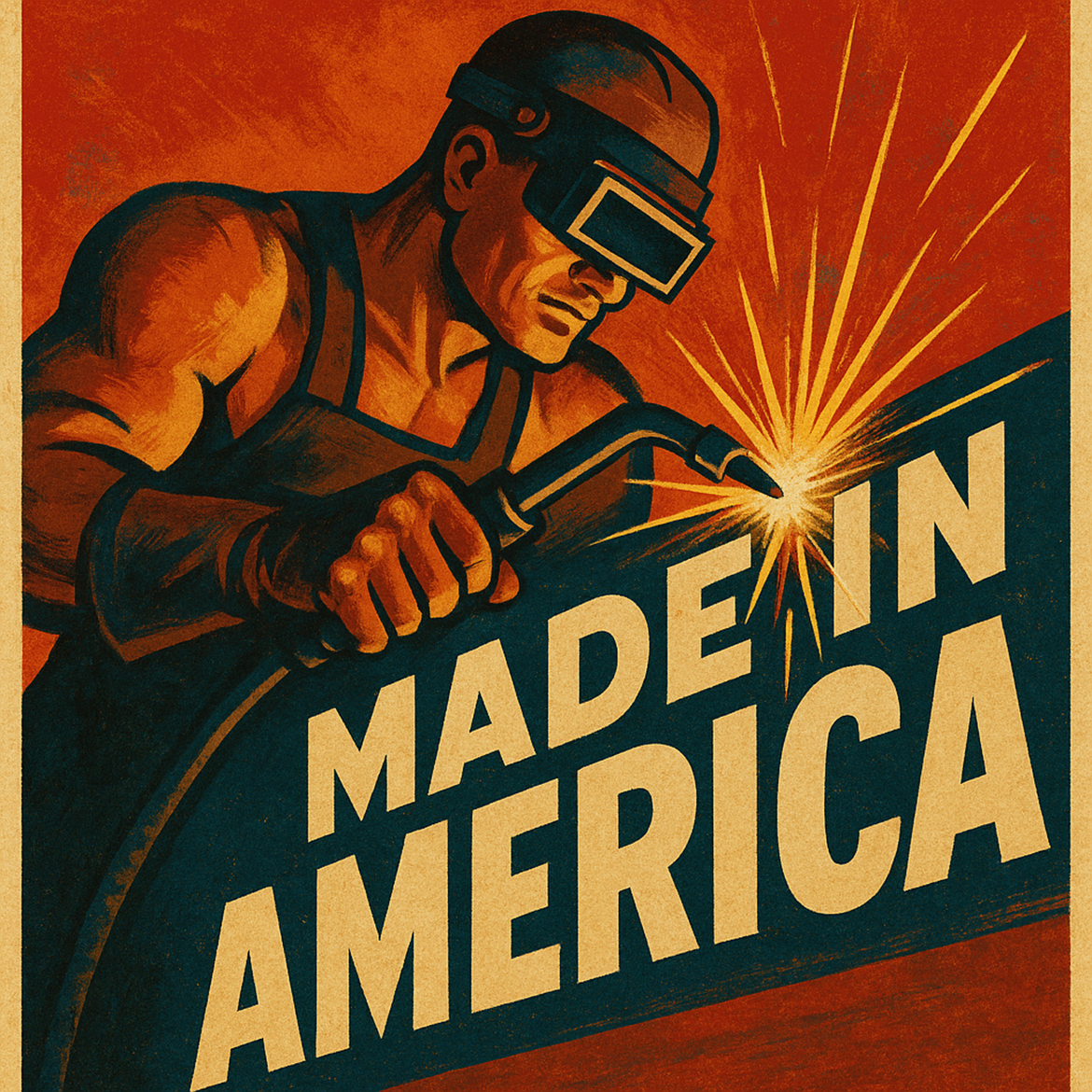
OtherComments Off on Made in America or Not at All: The Case for Reshoring Manufacturing and Ending Dependency on China
Jun172025
For decades, American companies chased cheap labor and lax regulations overseas, turning China into the world’s factory. Meanwhile, U.S. manufacturing towns withered. The pitch was simple: lower costs, bigger profits. But the real cost was far greater—economic vulnerability, lost jobs, and a disturbing moral compromise.
Every time we buy a product made in China, we’re supporting a system with a dark underbelly. Factories in Xinjiang, where the Uyghur Muslim minority faces persecution, feed into global supply chains. Are we really okay with our dollars funding forced labor camps? The pandemic exposed the fragility of relying on foreign production. But the ethical cost of outsourcing has been ignored for too long.
The Hidden Costs—Economic and Moral
That bargain-bin price tag doesn’t tell the whole story. Shipping goods from China burns fuel, clogs ports, and leaves us at the mercy of foreign delays. But worse, many of those goods are tainted by human rights abuses. Reports from Xinjiang reveal Uyghurs being forced to work in factories that supply major global brands.
Even beyond the ethical concerns, quality suffers. Cheap Chinese manufacturing often means cutting corners—toxic materials, counterfeit parts, and planned obsolescence. American-made goods might cost more, but they’re built to last. More importantly, they’re built by workers who are paid fairly and treated with dignity.
Jobs, Pride, and Rebuilding America
When factories left, they took livelihoods with them. Towns that once hummed with industry now battle unemployment and despair. Meanwhile, China’s rise was fueled by exploited labor—including Uyghurs subjected to mass surveillance, forced assimilation, and coerced factory work.
Bringing manufacturing home isn’t just about economics—it’s about values. American workers deserve jobs that pay living wages. Our communities deserve revival, not ruin. And consumers deserve to know their purchases aren’t bankrolling oppression.
National Security Means Ethical Supply Chains
China doesn’t just dominate consumer goods—it controls critical supplies like pharmaceuticals, rare earth minerals, and tech components. Relying on a regime accused of genocide for essentials is a strategic disaster. What if they weaponize trade? We’d face shortages of everything from medicines to military hardware.
Worse, by outsourcing, we’ve become complicit. U.S. companies have been linked to Xinjiang supply chains, despite sanctions on forced labor. How can we claim moral leadership while funding oppression? True security means self-sufficiency—and clean hands.
How to Bring Manufacturing Back—the Right Way
Reshoring isn’t just smart—it’s necessary. Here’s how we do it:
Ban Imports Tied to Forced Labor – Enforce strict supply chain audits. No more loopholes for goods made with Uyghur labor.
Tax Breaks for U.S. Production – Reward companies that manufacture ethically at home. Penalize those still outsourcing to abusive regimes.
Rebuild Industrial Skills – Invest in trade schools and apprenticeships. A skilled workforce is key to competing globally.
Demand Transparency – Consumers should know where their products come from. Labels like “Made in USA” should mean ethical production, not just geography.
The Choice We Can’t Ignore
This isn’t just about economics—it’s about who we are as a nation. Do we want to keep propping up a system built on oppression? Or do we rebuild an America that makes its own goods, employs its own people, and stands for something better?
The era of blind outsourcing must end. The answer is clear: **Made in America—or not at all.