The importance of mental stimulation for pets and practical tips and games to keep their minds sharp, benefiting their overall well-being.
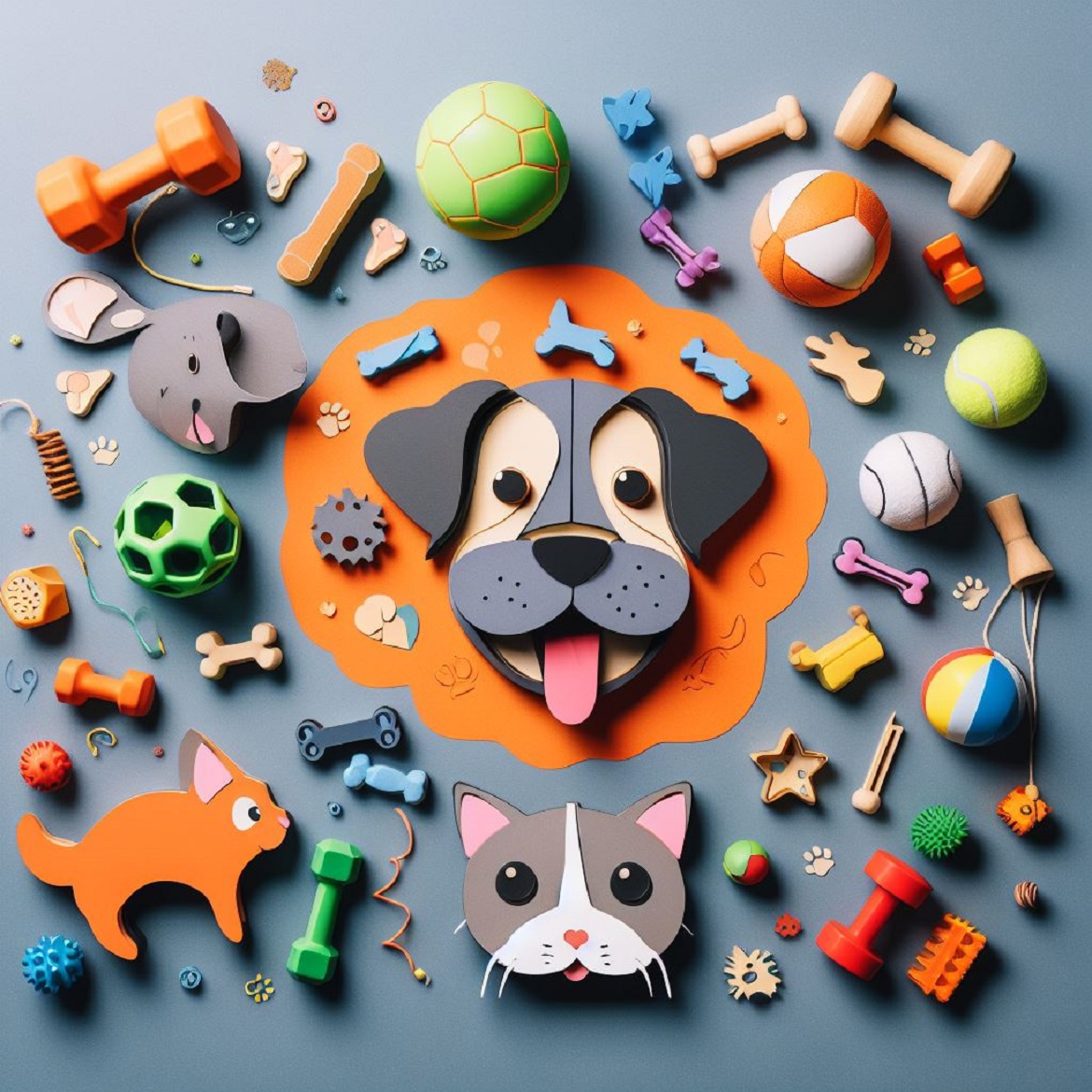
In our quest to better understand the needs and desires of our four-legged companions, we often overlook one essential aspect of their well-being – mental stimulation. Dogs and cats, just like humans, benefit greatly from mental challenges and play. In this article, we’ll look into the science of play and how it can keep your beloved pets mentally sharp. No need for complex jargon here, just simple and actionable advice.
The Importance of Play for Pets
Why is play so vital for our furry friends? Just like humans, dogs, and cats require mental exercise to stay happy and healthy. It’s not just about physical activity; their minds need a workout too. Here’s why play matters:
- Mental Stimulation: Play engages your pet’s brain. It encourages problem-solving, creativity, and memory. This mental exercise is essential for keeping their cognitive abilities sharp.
- Stress Reduction: Playtime is a stress reliever for pets. It helps reduce anxiety and boredom, leading to a happier and more relaxed furry friend.
- Bonding: Play strengthens the bond between you and your pet. It’s a fun way to connect, and it fosters trust and communication.
- Physical Exercise: While our focus is on mental stimulation, physical activity is a bonus. Active play keeps your pet in good shape and can prevent health issues.
The Science of Play
Let’s break down the science of play in simple terms. Play activates several areas of the brain and stimulates the release of important neurotransmitters, such as dopamine and endorphins.
Dopamine is responsible for pleasure and reward. When your pet successfully tackles a puzzle toy or catches a feather, their brain releases dopamine, making them feel happy and accomplished.
Endorphins are natural mood boosters. Playtime triggers their release, leading to a content and less anxious pet.
Engaging Your Dog
Now that we understand why play is essential, let’s explore how to engage your dog in playful activities that stimulate their mind.
- Puzzle Toys: These toys often contain hidden treats that your dog must work to release. It’s like a canine Rubik’s cube. As your dog figures out how to get the treats, their problem-solving skills get a good workout.
- Hide and Seek: Hide a favorite toy or treat in your home and encourage your dog to find it. This game taps into their natural scavenging instincts and sharpens their memory.
- Training Games: Basic obedience training sessions can be fun for your dog. Teach them new tricks or reinforce commands they already know. This mental exercise can be as satisfying for them as a game of fetch.
- Interactive Play: Play with your dog using toys like a tug-of-war rope or a flirt pole. This engages both their physical and mental faculties, as they strategize how to “win” the game.
Engaging Your Cat
Cats have their own set of preferences when it comes to play. Here’s how to keep your feline friend mentally stimulated.
- Interactive Toys: Cats love toys that mimic prey. Toys with feathers or moving parts can captivate your cat’s attention, simulating their natural hunting instincts.
- Cat Puzzles: Similar to puzzle toys for dogs, there are puzzles designed for cats. These can challenge your cat’s problem-solving abilities and keep them engaged.
- Paper Bags and Boxes: It’s amazing how something as simple as a paper bag or an empty box can be a source of endless entertainment for cats. They love to hide, pounce, and play inside these simple objects.
- Feather Wands: Cats are enchanted by feather wands that mimic the movement of birds. Swirling the feather wand in front of your cat encourages them to stalk and pounce, providing mental and physical exercise.
Scheduling Playtime
To ensure your pet gets the mental stimulation they need, it’s essential to incorporate regular playtime into their daily routine. Consistency is key. Dedicate a portion of your day to play with your furry friend. This could be before or after mealtime, or whenever your pet is most active.
For dogs, aim for at least 30 minutes to an hour of playtime each day. This duration can be divided into shorter sessions spread throughout the day.
Cats, on the other hand, thrive on shorter, more frequent play sessions. Try to engage your feline friend in interactive play for about 10–15 minutes, multiple times a day. Cats tend to have bursts of energy, so these shorter sessions align with their natural behavior.
Observe your pet’s cues. If they bring you their favorite toy or start acting restless, it’s a sign they’re ready to play. Pay attention to their individual preferences and energy levels.
Conclusion
In the pursuit of keeping our pets happy and healthy, it’s easy to overlook the power of play. Mental stimulation is a vital aspect of their well-being, and incorporating playful activities into their daily routine is a simple way to provide it.
Remember, the science of play is not reserved for humans alone. Dogs and cats also benefit from the release of dopamine and endorphins that play provides. So, grab your pet’s favorite toy, engage them in a stimulating game, and watch as their happiness and mental acuity flourish.
Your furry friend relies on you for their well-being, and the gift of play is one of the most precious you can give. In the end, it’s a win-win: they get mental stimulation, and you get a happy and content companion who cherishes every moment you spend together.
Get the Jigsaw Puzzle to go along with this post:
Like Cats and Dogs Extra — Jigsaw Puzzle