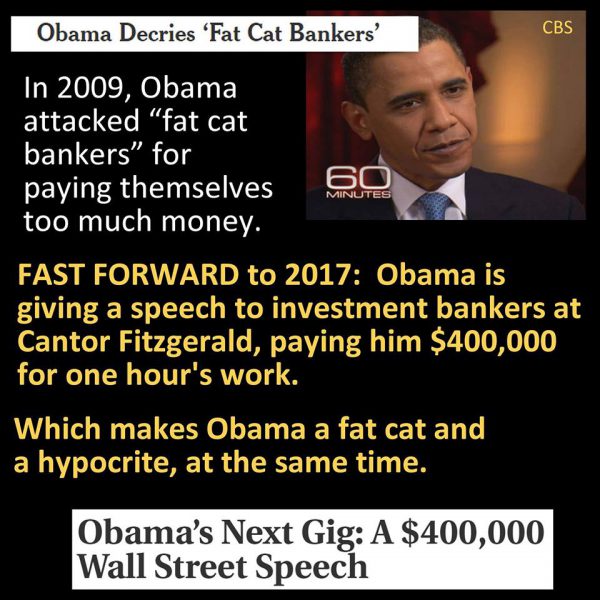
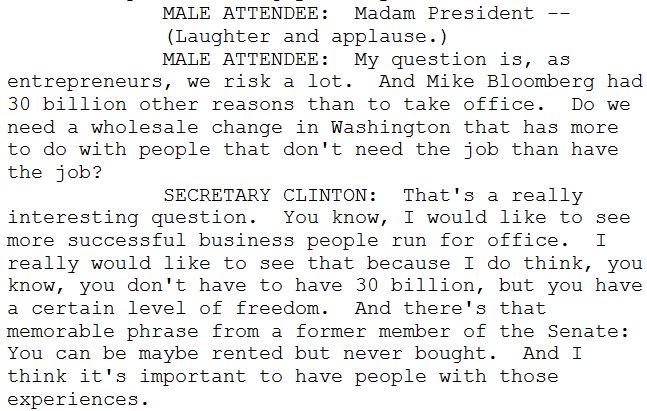
The playbook isn’t written in Congress. It’s drafted in boardrooms and signed into law by former employees.
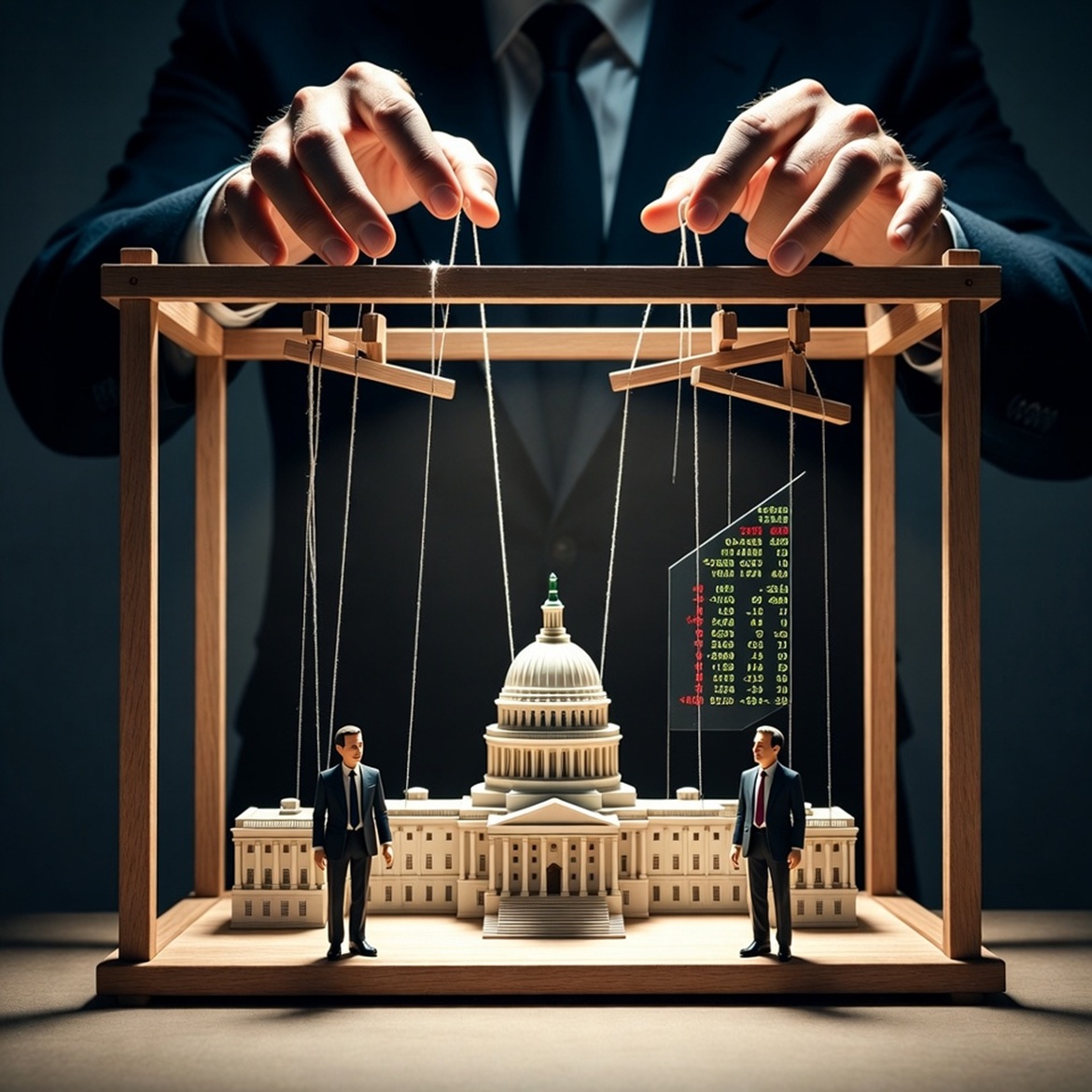
Let me tell you a short story.
In 2008, the financial world caught fire. You remember. Giant banks were about to collapse. The government stepped in with a massive rescue, a “bailout” using taxpayer money. The person overseeing this rescue as the U.S. Treasury Secretary was a man named Henry Paulson.
Where did he come from? He was the former Chairman and CEO of Goldman Sachs.
A few years later, the laws governing Wall Street were rewritten. The person appointed to lead the agency in charge of dismantling the failed banks? A former investment banker from Lazard.
This isn’t about individuals. It’s about a system. A perfectly legal, highly efficient pipeline that shuffles people between regulating Wall Street and working for Wall Street. It’s the ultimate career upgrade, and it happens in plain sight.
We’re told that experts are needed to run complex financial agencies. That makes surface-level sense. But what happens when the expert’s entire career network, their future earning potential, and their friends are all on the other side of the table they’re now supposed to oversee?
Let’s break down the playbook.
Act I: The “Public Service” Tour
It starts with a call to duty. A sharp lawyer or banker from a powerful firm is offered a key job in Washington. They take a huge pay cut to serve as a regulator, a deputy, or an advisor.
They call this “public service.”
From the inside, they gain two priceless things: knowledge and relationships. They learn how the regulatory machine works. They see its weaknesses. They befriend the career staff. They understand exactly how decisions are made and how to influence them.
More importantly, they build what I call “Relationship Equity.” They work daily with the very people they might need a favor from later. They draft the rules that will govern their future industry.
It’s not corruption. It’s just a smart career move.
The Training Doesn’t Happen in a Classroom. It Happens in the Hallways Where Laws Are Made and Enforced.
After two or three years, the “sacrifice” of public service ends. The resume is now gold-plated.
Act II: The Cashing-Out
Our public servant leaves their post. There’s a mandatory “cooling-off” period—often just one to two years—where they can’t directly lobby their old agency. This is treated like a major barrier.
It’s not.
They don’t need to lobby. They get hired as a “senior advisor,” a “consultant,” or a “vice president of government relations.” Their job is simple: open doors. They pick up the phone and call their former colleagues, who are now the regulators. They explain their new client’s “perspective.” They interpret the vague rules they might have helped write.
And the paycheck? It’s often 5 or 10 times their government salary. They are paid for one thing: their access. Their understanding of the human beings who now sit in their old chairs.
The person who wrote the test is now selling the answers.
Why This Isn’t Just “Business as Usual”
This system creates a quiet, powerful pressure that bends laws before they’re even passed.
Think about it from the regulator’s chair. You’re drafting a new rule that could cost a big bank billions. You know your former boss, a person you like and respect, now works for that bank. You also know that in 18 months, you might want a job in that profitable, sleek world.
Do you write the most aggressive, punishing rule possible? Or do you craft something more “reasonable,” something that “considers market realities”?
The most powerful force isn’t a bribe. It’s the unspoken promise of a future. It’s the knowledge that playing ball leads to a soft landing—and a hard paycheck—later.
Follow the Paper Trail, Not the Press Release
Don’t listen to the speeches. Look at the documents.
Next time a big piece of financial legislation passes, like the Dodd-Frank Act after the 2008 crisis, look at the final text. Then, look at the comment letters sent by the big banks during the drafting process.
You’ll notice something interesting. Whole paragraphs from bank proposals sometimes find their way, word for word, into the final rules. The complex loopholes, the specific exemptions for certain types of trades—they don’t appear by magic.
They are written by the most expensive lawyers and former regulators money can buy. Then, they are walked through the pipeline and inserted into law by people who speak the same language, who came from the same firms.
The government doesn’t hire from Wall Street. Wall Street lends employees to the government for a short tour, who then return with insider knowledge and authority.
What Can You Do? (The Unsexy Answer)
This isn’t solved by voting for one party over another. The pipeline flows both ways, welcoming appointees from both sides of the aisle. It’s a bipartisan problem with a bipartisan payoff.
The real solution is painfully simple and gets no headlines:
- Extend the “Cooling-Off” Period to Ten Years. Make it a decade, not a laughable eighteen months. If you help regulate an industry, you should be prohibited from taking money from it for a meaningful amount of time. This would change the entire calculation.
- Demand Public, Digital Logs. Every meeting between a regulator and any private sector representative should be logged online within 24 hours. Who met, what was discussed, what documents were shared. Sunlight is the best disinfectant.
- Pay Regulators More. This sounds counterintuitive, but we pay the people guarding the hen house like clerks. If we want truly independent watchdogs, we need to make the job financially competitive, so leaving for a 500% raise isn’t the obvious next step.
This is the operating system of American power. The public debates we see on TV are just applications running on that system. If you want to know who really governs, don’t watch the press conference.
Watch the parking garages under the Capitol and the office towers of Manhattan. The same people travel between them, every day, carrying briefcases full of incentives.