You know the brainwashing is real when white people protest against white people for being white people.
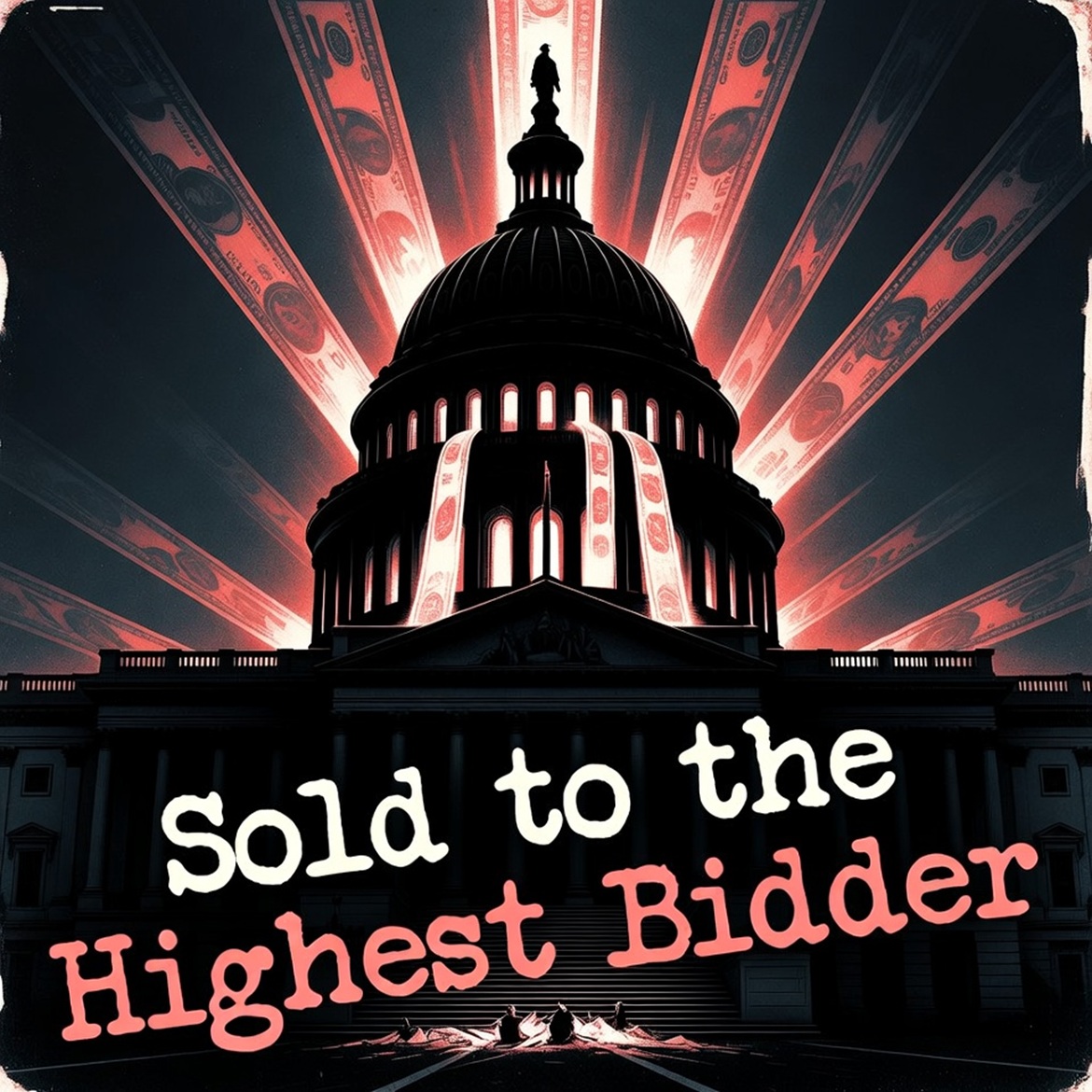
Imagine waking up to news that your country’s decisions on trade, aid, and even education are shaped not by voters like you, but by deep pockets from overseas. It happens more than you think. Foreign cash flows into the halls of power, tilting the scales in ways that favor outsiders over everyday Americans. This isn’t just a distant worry. It’s a reality that touches jobs, security, and the future we build for our families. Let’s pull back the curtain on how this system works and why it’s time to pay attention.
Foreign interests have poured over half a billion dollars into shaping U.S. decisions since 2017 alone, buying access that ordinary folks could never afford.
Foreign money doesn’t just knock on the door. It slips in through clever paths designed to look clean and legal. Think about groups that lobby lawmakers. These are outfits hired by other countries to push for changes in laws or funding that benefit them. For instance, nations in East Asia, like South Korea and Japan, have spent tens of millions each year to sway opinions on trade deals and alliances.
But it’s not only governments. Wealthy individuals from abroad funnel cash through nonprofit organizations here in the States. A recent report shows six foreign entities tied to billionaires have routed more than two and a half billion dollars into American advocacy groups. These funds support causes that align with their agendas, from climate policies to social issues. The loophole? Nonprofits don’t have to reveal every donor, so the true sources stay in the shadows. This setup lets outsiders meddle in elections and policy without leaving fingerprints.
Take universities as another example. Schools receive huge sums from foreign sources, often without full disclosure. One study found that from 2010 to 2016, half of these gifts went unreported. When investigations dug deeper, they uncovered billions in hidden funds. These dollars can steer research and teaching toward views that suit the donors, not the nation’s needs.
Who stands to gain from this? Let’s look at the top spenders. Saudi Arabia tops the list in recent years, with efforts focused on building favorable ties after past tensions. They’ve hired teams to meet with lawmakers, host events, and shape public views. Close behind are places like the United Arab Emirates and Ukraine, each logging hundreds of political contacts to advance their interests.
China plays a big role too. Through talent programs and investments, they recruit experts and fund projects that give them an edge in technology and trade. Japan and South Korea invest heavily to protect their economic stakes, influencing everything from tariffs to military aid.
Then there are the billionaires. A Swiss tycoon, for one, has channeled over sixty million dollars to progressive groups in just two years. This money flows to outfits that push for redistricting and other changes, all while the giver stays offshore. It’s a pattern: Rich foreigners use American nonprofits as pipelines to amplify their voices in our debates.
These players aren’t random. They’re strategic, targeting committees that control foreign aid, subsidies, and regulations. When a connected lawmaker leaves a key spot, aid to that country can drop by millions. It’s proof that personal ties translate to real dollars and decisions.
When foreign cash talks, American priorities walk – aid, tariffs, and subsidies shift to suit outsiders, leaving us to foot the bill.
History is full of cases where foreign money tipped the balance. Consider foreign aid. Data shows that countries with strong lobbying ties get boosts in U.S. support. One analysis found that after a lawmaker with connections steps down from a relevant committee, aid to that nation falls by about fifteen million dollars on average. That’s taxpayer money redirected based on who has the best access.
Tariffs tell a similar story. Nations that build relationships with U.S. officials see better odds for favorable trade rules. Four years after losing a key ally in Congress, a country’s chances of getting helpful legislation drop by four percentage points. It’s not coincidence; it’s calculation.
Corporate subsidies offer another angle. Foreign firms linked to American lawmakers through district changes receive twenty percent more in grants after redistricting. Think about that: Companies from abroad get extra help from our government, often at the expense of local businesses.
Elections aren’t immune either. The 2016 cycle saw foreign actors buy online ads to sway voters, exploiting weak rules on disclosure. Now, corporations with foreign owners – like big names in tech and energy – pour money into campaigns. A loophole from a Supreme Court ruling lets them spend freely, as long as they have a U.S. base. Bills to close this gap exist, but progress is slow, raising questions about who’s really in charge.
Even protests and advocacy feel the touch. Foreign charities have funneled nearly two billion dollars to groups pushing climate and justice agendas. One such fund has ties to overseas powers, blending their goals with American movements.
This influence doesn’t stay in Washington. It ripples out to your wallet and community. When foreign lobbying sways trade policies, American jobs in manufacturing or tech can vanish. Subsidies to overseas firms mean less support for homegrown innovation. And when universities hide foreign gifts, it risks compromising research that could lead to breakthroughs in health or security.
Worse, it erodes trust. If decisions favor those who pay the most, what happens to the voice of the average citizen? Policies on immigration, energy, and defense start reflecting global agendas over national ones. Foreign exchange manipulations add another layer, where countries tweak currencies to undercut U.S. exports, hurting farmers and factories.
The numbers are staggering. Over five hundred million dollars in lobbying since 2017, billions more through nonprofits – it’s a flood that drowns out fairness. And with intelligence warnings of ongoing meddling, the threat grows.
Billions flow in, jobs flow out – foreign influence turns American dreams into distant memories for too many families.
You don’t have to sit idle. Start by demanding transparency. Support laws that require full reporting of foreign funds in universities and nonprofits. Push for bills that bar corporations with significant overseas ownership from election spending.
Educate yourself and others. Follow reports from watchdogs tracking these flows. Vote for leaders who prioritize closing loopholes over taking easy money. Join groups advocating for campaign finance reforms that put Americans first.
On a personal level, question the sources behind big advocacy pushes. When a policy seems off, dig into who benefits. Share stories like these to build awareness. Change starts when enough people see the problem and act.
The system as it stands puts America up for auction, with foreign bidders often winning. From lobbying millions to hidden billions, the evidence mounts that outside forces shape our path. But knowledge is power. By shining a light on these practices, we can demand a government that answers to us, not distant donors.
It’s time to protect what makes this nation strong: decisions driven by the people, for the people. Stay vigilant, speak out, and let’s turn the tide before it’s too late.
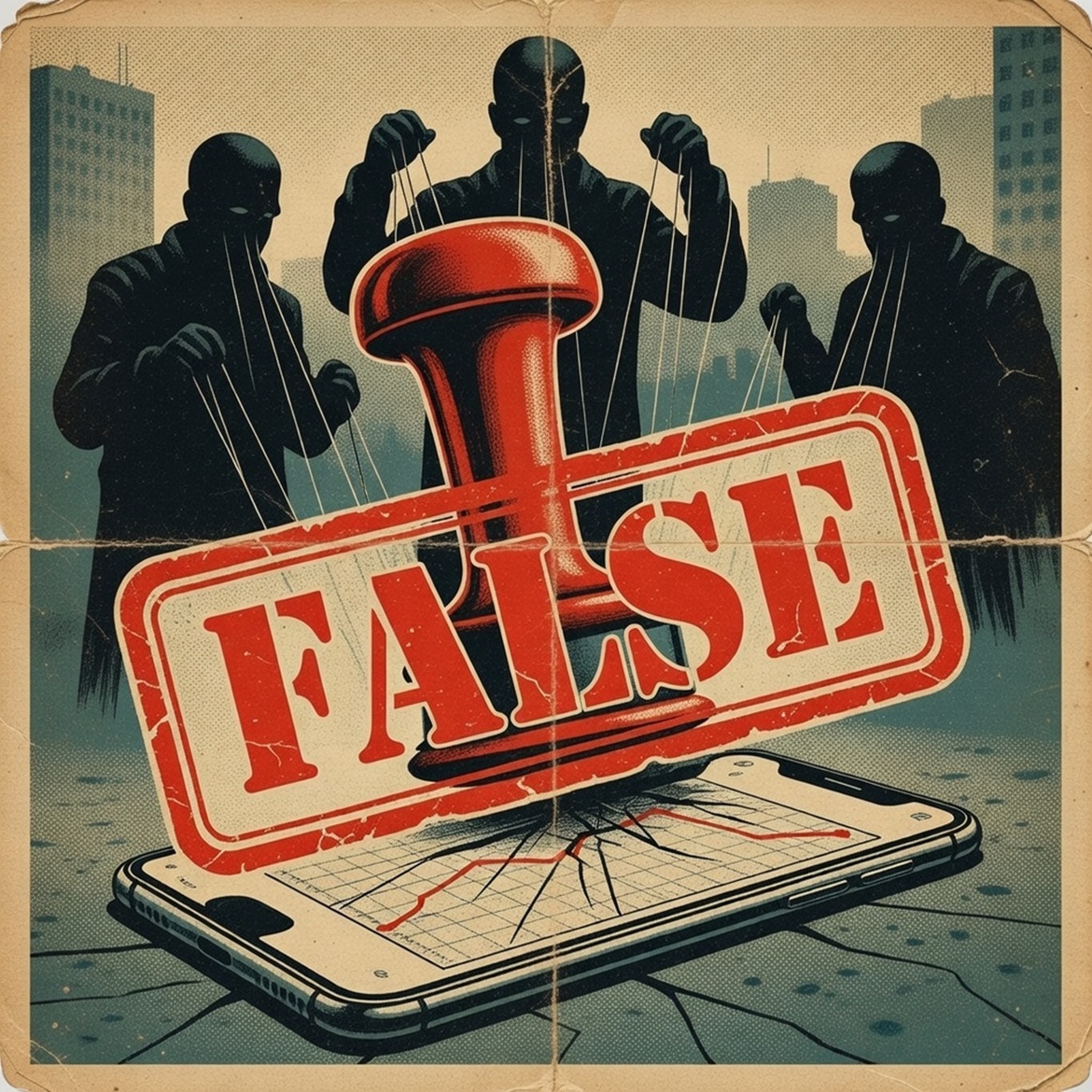
Imagine scrolling through your social media feed and spotting a post that questions a major news story. Before you can even think about it, a label pops up: “False information. See why.” You click, and it leads to a fact-checking site that dismisses the whole thing. But have you ever stopped to wonder who decides what’s true and what’s not? In today’s world, fact-checkers hold that power, and it’s worth asking if they’re really neutral referees or something more sinister.
In a time when information flows faster than ever, the guardians of truth might not be as impartial as they claim.
Fact-checkers started with good intentions, but they’ve evolved into tools that shape public opinion in ways that benefit those in charge. This article dives into their rise, how they work, their hidden connections, real-world examples, and steps you can take to see through the noise.
Fact-checking as we know it kicked off in the early 2000s, around the time the internet exploded with blogs and forums. Back then, it was about verifying claims from politicians and media outlets. Sites like Snopes focused on urban legends, while others tackled election speeches. It seemed straightforward: check the facts, report the truth.
But things changed fast. By the 2010s, social media giants like Facebook and Twitter faced pressure to curb what they called misinformation. Governments and big organizations pushed for more oversight. Enter the fact-checkers, now partnering with tech companies to flag content. These partnerships gave them huge reach. Suddenly, a single fact-check could bury a story or boost another.
Take the International Fact-Checking Network, launched in 2015. It sets standards for fact-checkers worldwide. Sounds noble, right? Yet, many of its members get funding from sources tied to powerful interests. This shift turned fact-checking from a niche service into a gatekeeper for what billions see online.
Details matter here. Fact-checkers use methods like cross-referencing sources, but they often rely on official statements from governments or experts aligned with them. If a claim challenges the status quo, it gets scrutinized harder. Over time, this has created a system where alternative views struggle to gain traction.
At their core, fact-checkers rate claims as true, false, or somewhere in between. They publish articles explaining their verdicts, complete with sources. Social platforms then use these ratings to demote or remove posts. It’s efficient, but it raises questions about bias.
Consider the process. A fact-checker picks a claim, researches it, and assigns a label. But who chooses which claims to check? Often, it’s the ones that go viral and challenge mainstream views. This selective focus means some stories get amplified while others fade away.
When fact-checkers decide what’s worth verifying, they control the conversation without you even noticing.
Moreover, their explanations can be persuasive. They use simple language, bullet points, and links to build trust. But dig deeper, and you might find they cite sources from the same circle of experts or officials. If a government agency says something, it’s treated as gospel. Challenge that agency, and your fact-check might lean against you.
In practice, this creates echo chambers. People see fact-checked content that aligns with what leaders want. It’s not overt censorship; it’s subtle steering. And with algorithms favoring “reliable” sources, the effect multiplies.
Now, let’s look at who’s behind the curtain. Many fact-checking organizations receive money from foundations, governments, and tech firms. For instance, some get grants from groups linked to billionaire philanthropists who influence policy. Others partner directly with platforms, earning fees for their work.
These connections aren’t always transparent. A fact-checker might claim independence, but their board members could have past roles in government or media conglomerates. This web of influence suggests fact-checking isn’t just about truth; it’s about protecting certain narratives.
Think about election seasons. Fact-checkers ramp up, often aligning with one side’s talking points. If a story embarrasses officials, it gets debunked quickly. But favorable claims might slide by with less rigor. This imbalance erodes trust in institutions that already face scrutiny.
Details on funding reveal more. Public records show donations from entities that lobby for regulations favoring big tech or specific policies. When fact-checkers depend on this money, their verdicts can reflect donor priorities. It’s a quiet way to wield power without direct orders.
To see this in action, recall the early days of the pandemic. Claims about virus origins were labeled false if they pointed to a lab leak. Fact-checkers cited experts who dismissed it, but later evidence suggested it was plausible. Those initial labels stifled debate, letting official stories dominate.
Another case: social media posts questioning vaccine side effects. Fact-checkers flagged them as misleading, linking to health agency data. Yet, as more reports emerged, some concerns proved valid. The rush to debunk protected authorities but left people in the dark.
In high-stakes moments, fact-checkers can turn doubt into dismissal, shielding the powerful from accountability.
Election interference claims provide another example. In 2020, stories about voting irregularities got hit hard with false ratings. Fact-checkers relied on official denials, but court cases later uncovered issues. This pattern shows how fact-checking can preempt investigations.
Even everyday topics feel the impact. Environmental debates, economic policies, you name it. If a view opposes government agendas, it faces uphill battles. These examples highlight a system where fact-checkers act as enforcers, not neutrals.
You don’t have to accept this at face value. Start by diversifying your sources. Read beyond the mainstream; seek out independent journalists who show their work. When you see a fact-check, check the fact-checker. Look at their funding, past verdicts, and who they cite.
Develop your own verification skills. Cross-reference claims with multiple outlets, including those from different perspectives. Tools like search engines help, but avoid relying solely on platforms that partner with fact-checkers.
Empower yourself by questioning the gatekeepers; true knowledge comes from active seeking, not passive acceptance.
Join communities that discuss these issues openly. Forums and newsletters offer spaces free from heavy moderation. Share what you find, but always back it up with evidence.
Finally, support transparency. Demand that fact-checkers disclose all ties and methods. Push for reforms that ensure balance. By taking these steps, you reclaim control over what you believe.
In the end, fact-checkers promised clarity in a chaotic world, but they’ve become part of the chaos. They wield influence that shapes minds and policies, often in ways that favor those at the top. Stay vigilant, question everything, and seek the full picture. Your awareness is the best defense against this modern propaganda. What will you uncover next?