In agriculture, a lot ofđź’© produces a lot of green.
In politics, a lot of green produces a lot ofđź’©.
Every election cycle, we watch the same ritual. Politicians place their hand on a Bible, raise the other, and solemnly swear to “preserve, protect, and defend the Constitution of the United States.” The words sound noble. The ceremony looks official. But what happens next? Too often, nothing.
The oath is supposed to mean something. It’s not just tradition—it’s a binding promise. Yet once the cameras turn off, many of these same leaders push policies, make decisions, and pass laws that directly contradict the document they swore to uphold.
How does this happen? And why do we keep letting it slide?
Let’s be honest: The oath-taking ceremony is mostly for show. It’s political theater. The words sound good, but there’s no real penalty for breaking them. If a cop, a soldier, or a judge violates their oath, there are consequences. But politicians? They get a free pass.
Think about it. How many times have you seen a law passed that clearly oversteps constitutional limits? How many executive orders ignore the separation of powers? How many court rulings twist the original meaning of the text beyond recognition?
The oath is treated like a formality—a box to check before getting down to business. And the business of politics often has little to do with the Constitution.
Politicians love to quote the Constitution… when it supports their agenda. But when it doesn’t? Suddenly, it’s “outdated,” “open to interpretation,” or “not meant for modern times.”
Take the Second Amendment. The text is clear: “the right of the people to keep and bear Arms, shall not be infringed.” Yet some lawmakers push for laws that do exactly that—infringe. They argue that times have changed, that the founders couldn’t have imagined modern weapons. But the oath doesn’t say, “Defend the Constitution… unless it’s inconvenient.”
The same goes for free speech, privacy rights, and states’ powers. The Fourth Amendment protects against unreasonable searches, yet surveillance programs keep expanding. The Tenth Amendment reserves powers for the states, yet federal overreach is constant.
If the Constitution is the supreme law of the land, why do politicians treat it like a suggestion?
Here’s the real problem: There’s no punishment for ignoring the oath. A president can sign an unconstitutional executive order. Congress can pass unconstitutional laws. Judges can uphold them. And nothing happens.
Imagine if a doctor took an oath to “do no harm” and then prescribed deadly treatments. They’d lose their license. If a lawyer violated their oath, they’d be disbarred. But politicians? They get reelected.
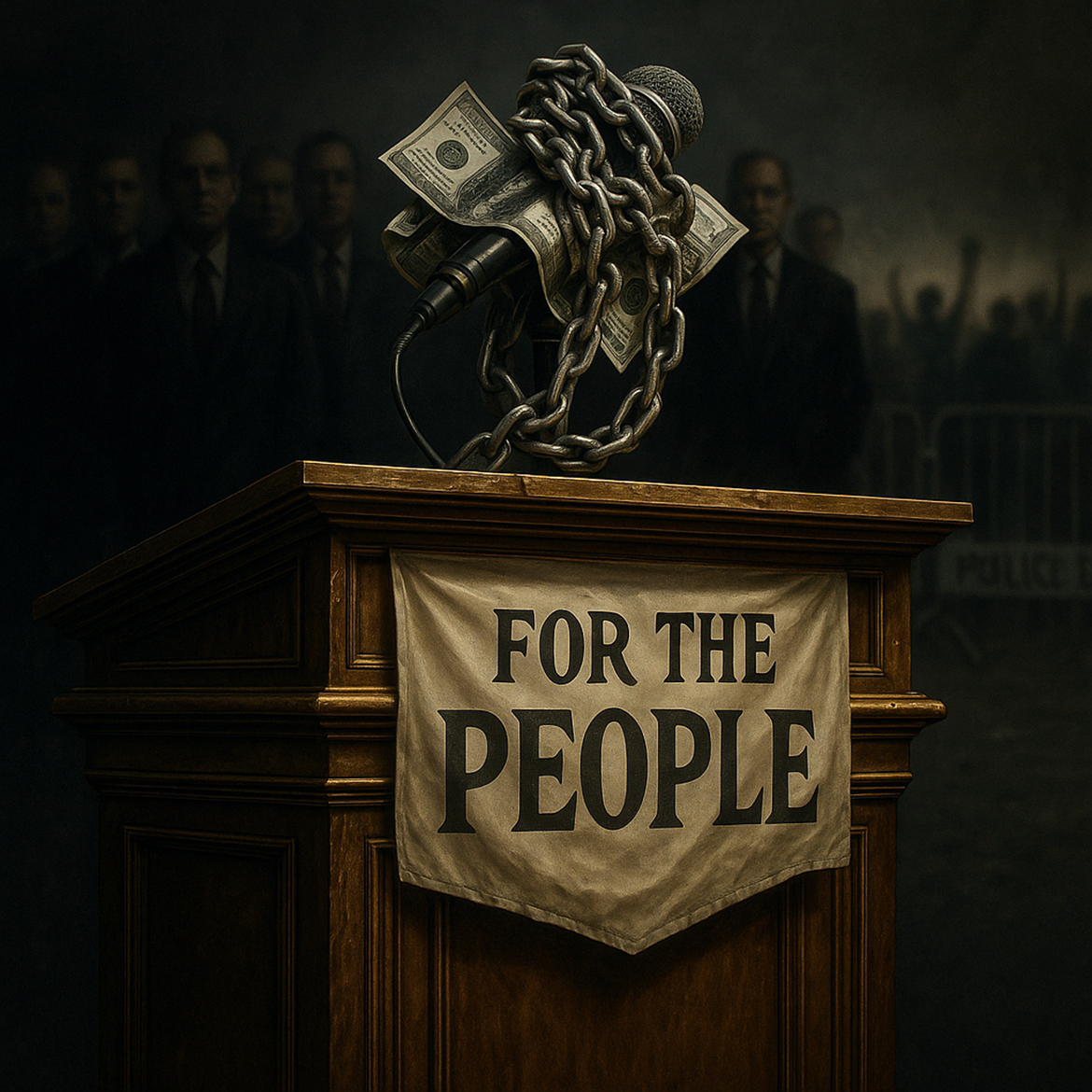
The founders expected voters to hold leaders accountable. But today’s system is rigged to protect the powerful. Party loyalty, media spin, and big-money interests keep bad actors in office. Even when a politician gets caught breaking the rules, the punishment is a slap on the wrist—if anything at all.
If we want politicians to honor their oath, we need real consequences. Here’s how:
Politicians swear an oath to the Constitution, but too many treat it as a joke. They ignore it, twist it, or outright defy it—and face no real backlash.
If we want this to change, we can’t rely on their honor. We have to demand it. The Constitution isn’t just a piece of paper. It’s the rulebook. And if our leaders won’t follow it, they shouldn’t be leading.
The oath should mean something. It’s time we started acting like it does.
You’ve been told that government healthcare policies exist to protect you. That lawmakers work tirelessly to ensure affordable medicine, fair insurance practices, and safe treatments. But what if that’s just a well-crafted lie?
Look closer, and you’ll see a different story—one where politicians, pharmaceutical giants, and insurance companies work together behind closed doors. The system isn’t broken. It’s designed this way. And if you follow the money, the truth becomes impossible to ignore.
Drug prices in the U.S. are among the highest in the world. Ever wonder why? Because the companies making these drugs also fund the campaigns of the people writing the laws.
Every year, pharmaceutical companies spend billions on lobbying—more than any other industry. They wine and dine politicians, fund their reelection campaigns, and in return, get favorable legislation. Price caps? Blocked. Medicare negotiation for cheaper drugs? Sabotaged. Generics delayed to protect monopolies? Approved.
It’s not incompetence. It’s corruption.
Insurance providers don’t make money by paying claims. They make money by denying them. And they’ve convinced lawmakers to help them do it.
Look at the Affordable Care Act. Sold as a win for the people, but packed with loopholes that let insurers hike premiums, restrict coverage, and drop patients when they’re most vulnerable. Meanwhile, CEOs rake in millions while families go bankrupt over medical bills.
Why hasn’t real reform happened? Because the same politicians who pretend to fight for you are taking checks from the industry.
Here’s how the game works:
It’s not a coincidence. It’s a well-oiled system. Former FDA commissioners go on to work for Big Pharma. Congressmen who block drug pricing laws end up with million-dollar lobbying gigs.
They don’t serve the public. They serve their future employers.
Every few years, there’s a new healthcare “crisis.” Skyrocketing insulin prices. Opioid epidemics. Surprise medical billing. And each time, politicians act shocked—as if they didn’t help create the problem.
Then comes the “solution”: a watered-down bill that does little to fix the issue but makes for great headlines. Meanwhile, the real culprits—pharma CEOs, insurance execs, and the politicians they own—walk away richer.
You can’t trust the system to fix itself. The only way things change is if people demand it. Here’s how:
Healthcare shouldn’t be a profit machine for corporations and politicians. But as long as money controls policy, nothing will change.
The question is:Â How long will we let them get away with it?