You wake up in the morning. You drink water from your tap, regulated by a law. You drive to work on roads, built by rules. Your paycheck, your medicine, the food you eat—all of it is touched by laws passed in Washington.
Now, here’s a question that will keep you up at night.
Who actually wrote those laws?
You were taught it was your elected representative. A thoughtful person, considering the public good, drafting text to solve problems.
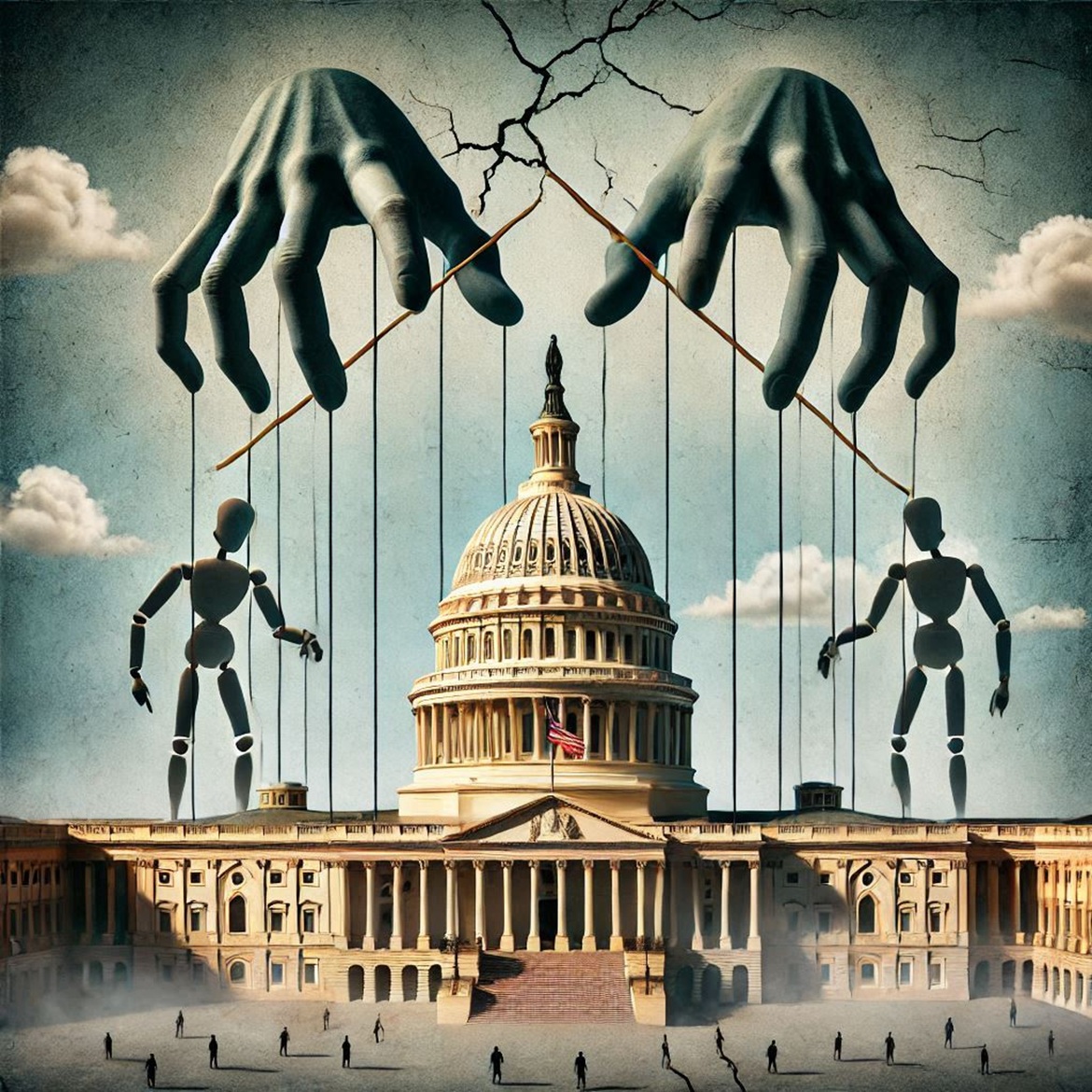
What if I told you that, for a huge number of laws, that’s a fairy tale? The real authors often sit in plush offices in K Street, not the Capitol. They are paid not by taxpayers, but by pharmaceutical companies, tech giants, and Wall Street banks.
This isn’t a theory. It’s the operating system.
The Ghostwriters on K Street
Think about the process of writing a complex law. It’s not like writing a poem. It’s technical. It’s about amending existing, thousand-page codes. One wrong word can shift billions of dollars.
Your congressperson is a generalist. They have a small staff. They are running for re-election every single day.
Now, enter the “policy expert” from a major trade association or corporate firm. They come to the staffer and say, “We know you want to solve X. We’ve been working on this issue for decades. Here, we took the liberty of drafting some model language that could help.”
This “model language” is the entire bill, pre-written. It is meticulously crafted. It looks official. It solves a public problem—but often with a secret trapdoor that benefits its authors.
It gets introduced, word for word. Why wouldn’t it? The staffer is overworked. The member of Congress wants a solution to announce. The “expert” just made their job easy.
The ghostwriter just placed their words directly into the machinery of power.
We trust the chef to make the meal, but we never ask who supplied the recipe—and who paid them to include certain ingredients.
The Speed Trap of Modern Lawmaking
So a bill, written by a lobbyist, is introduced. What happens next? It needs to pass.
This is where the second mechanism kicks in: overwhelming force.
Major bills are rarely simple. The last-minute “must-pass” legislation to keep the government open or address a crisis is a favorite vehicle. It can be thousands of pages long. It arrives in the dead of night.
The people voting on it are given hours, sometimes minutes, before a vote.
Ask yourself honestly: Could you read, understand, and make a wise judgment on 2,000 pages of legal text in two hours? Of course not. No human could.
So how do they decide? They rely on summaries. One-page bullet points prepared by… whom? Often, by the same committee staff who have been working with… the lobbyists who helped draft the sections in the first place.
The vote is a rubber stamp. The complexity is not a bug; it’s a feature. It creates a smoke screen. The real debate is hollowed out and replaced with theater. The actual text, laden with gifts for special interests, sails through unchallenged and unread.
Why Reading the Bill is a Radical Act
You might be screaming at the screen: “Just read the bill! It’s their one job!”
Let’s break down why that almost never happens.
First, volume. Congress introduces thousands of bills a session. The sheer mass is impossible for any one person.
Second, time. The schedule is not designed for study. It is designed for fundraising, campaigning, and public appearances. The actual work of legislating is crammed into frantic bursts.
Third, and most important, expertise. Understanding a line about pharmaceutical patent law or derivative market regulation requires deep, specific knowledge. Most members don’t have it. They have to trust someone.
And that “someone” has usually been pre-selected by the industries that stand to gain.
The system is perfectly built to bypass scrutiny. The authors are invisible. The text is impenetrable. The timeline is impossible. Everyone can throw up their hands and say, “What choice did I have?”
Accountability dissolves in a fog of pages and deadlines.
What You Can Do About It (Right Now)
This isn’t about left or right. It’s about who holds the pen. When the pen is for sale, the law is for sale.
Feeling powerless is the intended result. Don’t fall for it. Here is your playbook.
First, demand the “read the bill” rule. Any representative can push for a simple rule: no vote on final passage until the bill has been publicly available for 72 hours. This forces the smoke screen to clear. Any politician who refuses to support this is telling you they value special interest speed over public scrutiny.
Second, follow the money, not the speech. Stop getting dazzled by catchy slogans on TV. Go to OpenSecrets.org. Look up your representative. See who their top donors are. Then, when a bill comes up that benefits that industry, you’ll have a map to the motive. It’s not conspiracy; it’s cause and effect.
Third, ask a specific question. Don’t call and say “fight corruption.” It’s too vague. Email your representative and ask: “Can you give me one example of a major bill where you voted against the position of your top corporate donor, and why?” Their answer—or lack of one—will tell you everything.
The game is rigged when we’re not looking. The only way to change the rules is to shine a light so bright they can’t hide the text in the shadows.
It starts with a simple, radical belief: the people who write our laws should work for us.
That belief is the first step to taking the pen back.