Debunking the 81 Million Votes Cast for Joe Biden

 Conspiracy, Featured, Political  Comments Off on Debunking the 81 Million Votes Cast for Joe Biden
Nov 272023
 

Explore the statistical anomalies behind 81 million votes cast for Joe Biden in the 2020 election. Uncover the data, question the narrative, and dive into the intricacies of this electoral puzzle.

In the whirlwind of the 2020 presidential election, one number that echoes louder than most is 81 million votes cast for Joe Biden. However, a closer examination of the data raises eyebrows and invites us to question the legitimacy of this impressive figure. Let’s delve into the improbability of Biden’s purported 81 million votes by dissecting the bellwether data, scrutinizing Biden’s primary performance, and comparing it to historical precedents set by other presidents like Trump and Obama.

Bellwether Blues: Dissecting Voting Trends in 19 Key Counties

In the realm of election dynamics, the concept of bellwether counties plays a pivotal role. These counties, historically renowned for mirroring the national sentiment, have served as reliable indicators of presidential outcomes since 1980. However, the 2020 election introduced a surprising twist, particularly when we scrutinize the voting trends in 19 key bellwether counties.

Traditionally, these 19 counties have been a reliable compass for predicting the overall election outcome. In 2016, for instance, Donald Trump secured victory in 16 out of the 19 bellwether counties, foreshadowing his triumph in the general election. Fast-forward to 2020, and the script takes an unexpected turn.

In the latest election, Trump managed to win 18 out of the 19 bellwether counties, solidifying his hold on these historically significant areas. This raises a compelling question: If these bellwether counties have consistently reflected the national mood in the past, how did Biden manage to secure a victory despite faltering in the very counties that have traditionally foreshadowed success?

Comparing this to historical data, Barack Obama’s performance in 2012 is noteworthy. He won 17 out of the 19 bellwether counties, aligning with the predictive nature of these areas. The stark contrast between Obama’s success in bellwether counties and Biden’s less convincing performance in the same territories further fuels the skepticism surrounding the 2020 election results.

The intricate dance of numbers in these bellwether counties offers a compelling narrative. Trump’s dominance in these areas in both 2016 and 2020, coupled with Obama’s previous success, challenges the conventional wisdom that these counties accurately reflect the national sentiment. The improbable outcome of Biden’s victory despite faltering in the bellwether counties prompts us to delve deeper into the intricacies of voting trends and question the reliability of these historical indicators.

Lackluster Primary Performance: A Sign of Weakness

Digging deeper into Biden’s journey to the presidency, his lackluster performance in the Democratic primary raises eyebrows. Historically, candidates who struggle in the primary elections face an uphill battle in the general election. Biden’s unimpressive showings in early contests, particularly in Iowa and New Hampshire, should have been a red flag.

The improbable leap from a tepid primary performance to a record-breaking 81 million votes demands scrutiny. Were these votes truly a testament to widespread enthusiasm for Biden, or does the data suggest a more nuanced narrative? Examining the primary results as a precursor to the general election sheds light on the improbability of the final vote count.

Trump’s 76 Million: Setting a Record

In the same arena, it’s crucial to acknowledge the unprecedented 76 million votes garnered by Donald Trump. Trump’s numbers represent the highest vote count for a sitting president in history. The juxtaposition of Trump’s record-breaking achievement with Biden’s 81 million poses a conundrum.

One must question the likelihood of Biden surpassing Trump’s impressive turnout, especially given the historical context. Trump’s ability to rally his base and secure such a significant number of votes creates a challenging benchmark for Biden’s numbers to match. The improbable gap between the two figures demands a closer examination of the factors at play.

Conclusion: Unraveling the Improbable

In the intricate landscape of the 2020 election, the figure 81 million stands out as a puzzle that beckons scrutiny. A closer examination of bellwether data, primary performance, and the staggering contrast with Trump’s record-breaking turnout reveals a complex narrative that challenges the mainstream narrative.

As we navigate the labyrinth of numbers and trends, skepticism emerges not just in the statistics but in the broader arena of media discourse. The mainstream media’s uncritical acceptance of the 81 million vote count without thorough investigation raises eyebrows. The apparent lack of scrutiny and the uniform parroting of “The Big Lie” narrative whenever Trump questions the validity of the results create an atmosphere of suspicion.

The media’s role in shaping public perception is profound, yet the apparent reluctance to delve into the nuances of the 81 million votes raises questions about the thoroughness of the election coverage. In a healthy democracy, skepticism is a crucial tool for ensuring transparency and accountability. The hesitancy to apply this skepticism uniformly, especially when confronted with challenges to the narrative, underscores the need for a more nuanced exploration of the events surrounding the 2020 election.

In unraveling the improbable nature of 81 million votes cast for Joe Biden, it becomes evident that the narrative extends beyond statistical analysis. It encompasses a critical evaluation of media responsibility and the importance of fostering a climate where questions are met with rigorous investigation rather than dismissal. As we grapple with the complexities of this historic election, the call for a comprehensive, unbiased examination echoes louder than ever.
Before You Vote

 Featured, Political, View Point  Comments Off on Before You Vote
Nov 222023
 

Before you vote. Go grocery shopping, gas up your car, pay your bills, look at your 401k. Then vote.

Before you vote. Go grocery shopping, gas up your car, pay your bills, look at your 401k. Then vote.

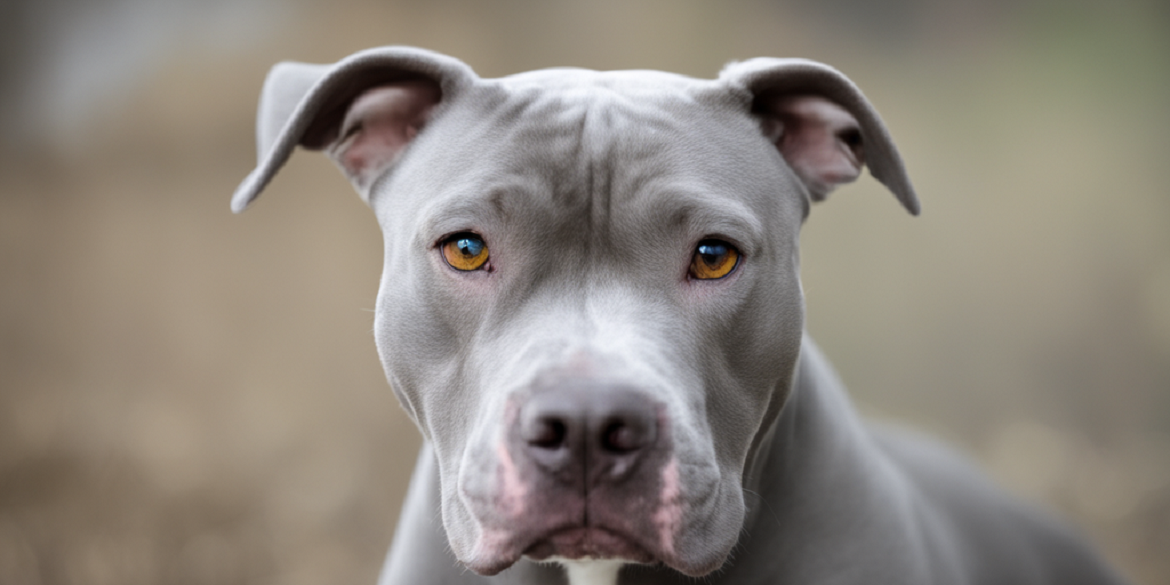
Unleashing the Truth: There Are No Bad Dogs, Only Bad Owners

 Featured, Information, Political  Comments Off on Unleashing the Truth: There Are No Bad Dogs, Only Bad Owners
Nov 122023
 

In a world where canine companionship has become an integral part of our lives, it's crucial to address a question that often stirs up debate: Are there truly “bad” dogs, or are we simply looking at the wrong end of the leash? Let's embark on a journey to understand why there are no bad dogs, only bad owners.

In a world where canine companionship has become an integral part of our lives, it’s crucial to address a question that often stirs up debate: Are there truly “bad” dogs, or are we simply looking at the wrong end of the leash? Let’s embark on a journey to understand why there are no bad dogs, only bad owners, and how nurturing the right environment can transform any furry friend into a loving and well-behaved companion.

A Dog’s Nature

First and foremost, it’s essential to recognize that dogs, regardless of breed, are not born “bad.” They are products of their environment and upbringing. Just like humans, dogs have innate instincts, but their behavior is shaped by influences around them. Dogs may display aggressive or destructive tendencies, but these are typically responses to fear, anxiety, or a lack of guidance.

Dogs have a natural inclination to please their owners. They thrive on structure, routine, and positive reinforcement. When they exhibit undesirable behavior, it’s typically a cry for help or a reflection of their surroundings. Thus, it’s crucial to avoid labeling dogs as “bad” based solely on their actions.

The Role of Owners

Now, let’s turn our attention to the other side of the equation: the owners. Dogs rely entirely on their human companions for care, guidance, and a loving environment. It’s the owners’ responsibility to understand their pets’ needs, provide proper training, and foster a loving connection.

  1. Training and Socialization: Dogs require training and socialization from an early age. Properly socialized dogs are less likely to exhibit aggressive behavior. They learn to interact with other dogs and humans, which is crucial for their mental and emotional development.
  2. Exercise and Stimulation: Dogs, irrespective of breed, require physical and mental stimulation. A lack of exercise can lead to pent-up energy and destructive behavior. Regular walks, playtime, and engaging toys can help channel their energy in a positive direction.
  3. Consistency and Routine: Dogs thrive on routine and consistency. Clear boundaries and expectations help them feel secure and confident. Inconsistent training or mixed signals can confuse dogs, leading to undesirable behavior.
  4. Positive Reinforcement: Punishment-based training methods can create fear and aggression in dogs. Positive reinforcement, on the other hand, rewards good behavior with treats, praise, and affection. This approach encourages dogs to repeat desirable actions.

The Human-Canine Bond

The relationship between a dog and its owner is unlike any other. Dogs have an uncanny ability to sense their owners’ emotions and react accordingly. When an owner provides love, trust, and care, dogs respond in kind. Conversely, neglect or mistreatment can lead to anxiety, aggression, or behavioral issues.

Many cases of so-called “bad” dogs can be traced back to traumatic experiences or a lack of proper care. Abandoned or abused dogs may develop trust issues and exhibit aggressive behavior as a defense mechanism. In these instances, it’s not the dog that’s “bad” but the circumstances they endured.

Rehabilitation and Redemption

One of the most heartwarming aspects of the canine world is the capacity for rehabilitation and redemption. Dogs that have been through challenging situations can transform into loving and well-behaved companions with the right guidance and care.

Rescue organizations and shelters across the globe are filled with stories of once-troubled dogs finding forever homes and flourishing. These stories serve as powerful reminders that there are no inherently bad dogs—only those who need a second chance.

Breed Stereotypes and Misconceptions

Breed stereotypes can perpetuate the misconception of “bad” dogs. Certain breeds, like pit bulls and Rottweilers, often face unfair discrimination due to misconceptions about their inherent aggression. In reality, a dog’s behavior is largely a product of their upbringing and environment, not their breed.

It’s essential to remember that breed does not determine a dog’s temperament. All dogs, regardless of their breed, can be wonderful and loving companions when provided with the right care and training.

Legal Implications

Understanding the truth that there are no bad dogs, only bad owners, has implications beyond personal relationships. Legal systems worldwide are increasingly recognizing the role of owners in shaping their dogs’ behavior. Laws related to dog ownership and liability are evolving to reflect this perspective.

Owners are held responsible for their dogs’ actions, which reinforces the idea that proper training and care are essential. This shift in perspective has led to more dog-friendly policies and greater emphasis on educating owners about their responsibilities.

Closing Thoughts

The belief that there are no bad dogs, only bad owners, is not just a platitude; it’s a fundamental truth rooted in the understanding of canine behavior. Dogs, by their very nature, are loving, loyal, and eager to please. When they exhibit undesirable behavior, it’s usually a reflection of their environment and upbringing.

As responsible dog owners, it’s our duty to provide our furry friends with the love, care, and training they need to thrive. By doing so, we can unlock the full potential of our canine companions and foster deep and lasting bonds that bring joy and fulfillment to our lives. Remember, there are no bad dogs, only opportunities for growth, understanding, and unconditional love.

Source…


Trump Isn’t Running Against Biden

 Featured, Political, View Point  Comments Off on Trump Isn’t Running Against Biden
Nov 032023
 

Trump isn't running against Biden – he's running against The Clinton's, Obama's, CNN, MSN, NBC, ABC, CBS, NPR, Soros, BLM, ANTIFA, etc… It's Trump vs. Satan and his minions.


Trump isn’t running against Biden – he’s running against The Clinton’s, Obama’s, CNN, MSN, NBC, ABC, CBS, NPR, Soros, BLM, ANTIFA, etc…

It’s Trump vs. Satan and his minions.

The Hidden Economy of Corrupt Politicians: Money Laundering Exposed

 Conspiracy, Featured, Political  Comments Off on The Hidden Economy of Corrupt Politicians: Money Laundering Exposed
Nov 012023
 

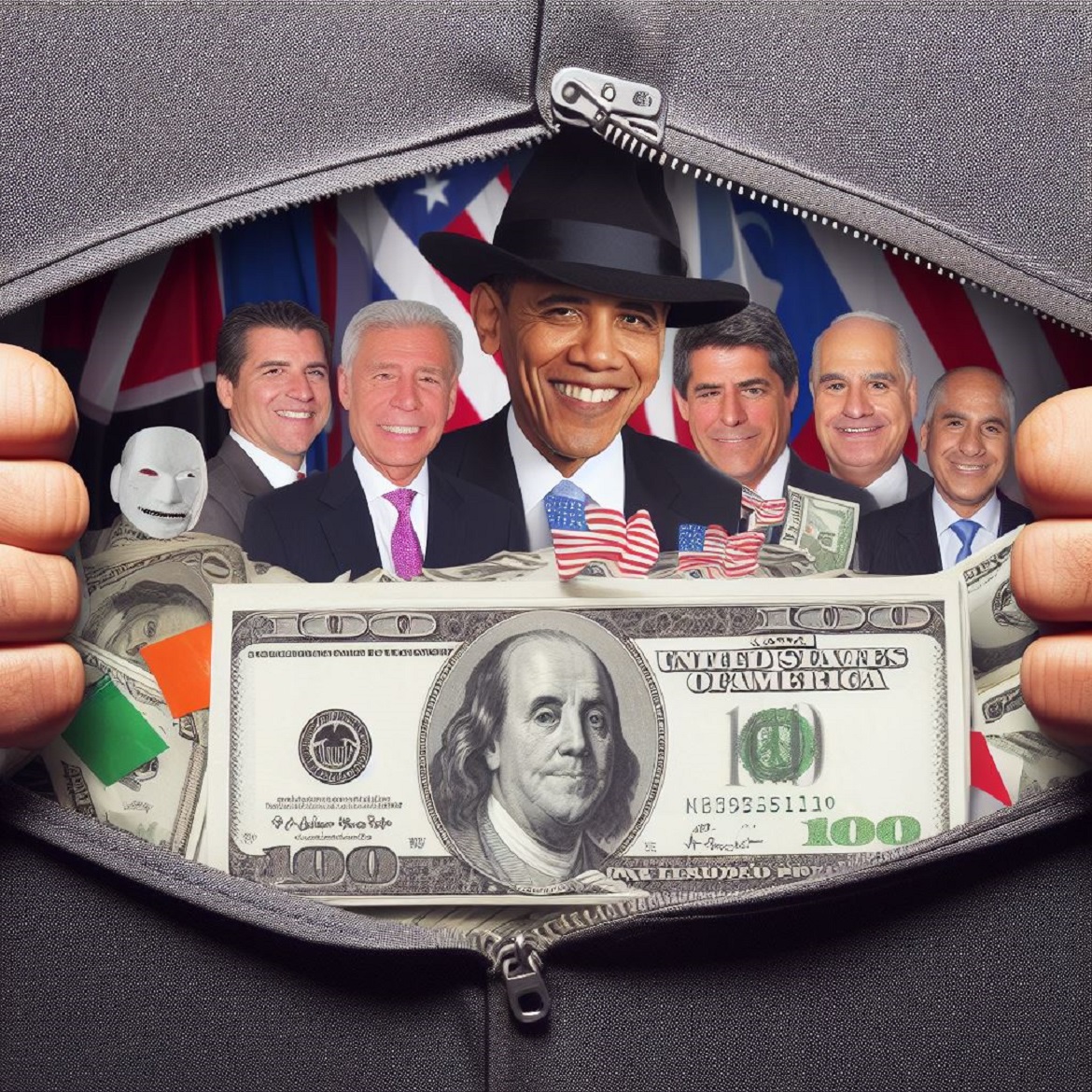
Explore the dark secrets of political money laundering in our latest post. Uncover the hidden economy of corrupt politicians today.

There’s a term in politics that often lurks in the shadows, whispered in hushed tones: money laundering. It’s a concept that, while sounding complex, can be broken down into simpler terms for you to understand. Money laundering isn’t just something from a gangster movie – it happens in the world of politics too. In this article, we’ll explore the art of political money laundering, demystifying the process and shining a light on the methods corrupt politicians use in funneling ill-gotten gains back to themselves.

The Basics: What is Money Laundering?

Money laundering is like a magic trick that makes dirty money look clean. Imagine a criminal wants to buy a fancy car with the cash they earned from illegal activities. They can’t just waltz into the dealership with a briefcase full of cash, right? That’s where money laundering comes into play. It’s the process of making that dirty money seem legit, like it was earned through legal means.

Shell Companies: A Corrupt Politician’s Best Friend

One of the favorite tools in a politician’s arsenal is the creation of shell companies. These are companies that exist on paper but don’t do much real business. The trick is to hide the origin of the money by funneling it through these entities. Imagine having a secret bank account that nobody knows about – a shell company is like that, but on a grander scale.

Politicians often set up these shell companies in tax havens or places with lax financial regulations. These offshore accounts provide an added layer of secrecy, making it difficult for authorities to trace the money back to its source.

Real Estate Shenanigans

Have you ever wondered how a corrupt politician with a modest salary ends up owning luxurious mansions and properties? Real estate is a popular destination for laundered money. Here’s how it works:

Corrupt politicians might purchase properties using illicit funds through shell companies or intermediaries. Once they own these properties, they can either sell them for a hefty profit, generating clean money, or use the properties as collateral for loans. The borrowed money then appears to be a legitimate income source.

The Casino Caper

Another trick up their sleeves is to launder money through casinos. Here’s the scoop: a politician walks into a casino with a bag full of dirty cash and converts it into chips. They can then play a few hands, lose some chips, and cash out the rest. The money they receive in return appears to be winnings from gambling – a seemingly clean source of income.

Cryptocurrency: The New Frontier

As technology advances, so do the methods of money laundering. Cryptocurrencies like Bitcoin offer politicians a new avenue to launder their ill-gotten gains. It’s like digital cash that can be moved around the world with relative ease and anonymity.

They might buy cryptocurrencies using dirty money, and then trade or transfer them to other accounts. With some digital sleight of hand, the money can be made to look clean. It’s a challenge for law enforcement agencies to trace these transactions due to the decentralized nature of cryptocurrencies.

Smurfing and Structuring: The Money Laundering Twins

Smurfing and structuring are like two sides of the same coin when it comes to money laundering. Politicians employ these techniques to fly under the radar and avoid suspicion.

Smurfing involves breaking down large sums of money into smaller, less noticeable transactions. Imagine if you had $50,000 in dirty cash – instead of depositing it all at once, you’d make multiple smaller deposits, like $5,000 each, in different accounts. This makes it less likely to trigger alarm bells at the bank.

Structuring is the flip side. It’s about keeping deposits under a certain threshold to avoid raising suspicion. For example, if a dirty career politician wants to launder $100,000, they might make ten separate deposits of $9,000 each to avoid hitting the $10,000 reporting limit.

The Importance of Offshore Accounts

Offshore bank accounts are like secret treasure chests for these politicians. They use these accounts to stash their dirty money away from prying eyes. The laws and regulations in some countries make it challenging for authorities to access information about offshore accounts, allowing the corrupt to operate in secrecy.

Political Campaigns: A Convenient Cover

Ever wondered why some politicians pour an incredible amount of their own money into their campaigns? It’s not just a show of support; it can be a way to launder money. Here’s how it works:

A politician injects their dirty money into their election campaign fund, and then, like magic, the money is clean. Donations to political campaigns are heavily regulated, but this technique allows them to legitimize their ill-gotten gains.

Book Deals: The Written Cover-Up

Now, let’s talk about a relatively new and trendy method of money laundering among politicians – book deals. Politicians author books and secure hefty advances from publishing houses. While this may seem like a legitimate endeavor, it can also serve as a convenient cover to launder money.

Here’s how it works: A corrupt politician writes a book or hires someone to ghostwrite it. A publishing house offers them a substantial advance – a large sum of money upfront. This money may come from legitimate book sales, but it can also serve as a way to legitimize dirty funds. The book can be sold, or even given away, to supporters and organizations associated with the politician, effectively returning the money to the corrupt author in a seemingly legal manner.

Foreign Aid: The Unaudited Path

In the intricate world of political money laundering, foreign aid often becomes a shadowy conduit for politicians to further their illicit schemes. Recent events, notably involving unaudited funds sent to Ukraine, shed light on this covert avenue that allows politicians to exploit financial aid intended for nations in need.

Ukraine’s Mysterious Funds: The Unseen Trail

The tale of unaudited money sent to Ukraine is one that highlights the dark side of foreign aid. Funds allocated for humanitarian aid and national development are meant to uplift struggling nations. However, when those funds are sent without proper oversight and auditing, they become a playground for corruption.

In this context, politicians can exploit the lack of accountability and transparency to divert foreign aid into their personal coffers. It’s like a magician’s trick; they move the money from one pocket to another, making it disappear from the public’s view.

The Consequences of Misused Aid

When foreign aid is misappropriated or siphoned off through unaudited channels, the intended beneficiaries suffer the most. Funds that should be dedicated to infrastructure, healthcare, and education are instead used for personal gain or concealed in offshore accounts.

This misuse erodes trust in the system and jeopardizes the lives of those who depend on foreign aid for their survival and well-being. It’s a betrayal of the trust placed in politicians to act in the best interests of their countries and the international community.

The Need for Oversight

The case of unaudited money sent to Ukraine underscores the importance of robust oversight and transparency in foreign aid distribution. It’s a call to action for governments and international organizations to ensure that aid reaches its intended recipients and is used for its designated purpose.

In an age where technology and information can provide real-time tracking of financial transactions, there is no excuse for funds to go unaudited and unaccounted for. We must demand accountability from our “representatives” to ensure that foreign aid serves its true purpose: helping those in need.

Conclusion

Corrupt politicians employ a shadowy arsenal of clever tricks and techniques to launder their ill-gotten money. While this may seem like a tale out of a thriller movie, it’s a stark reality that casts a long, dark shadow over the political landscape. Understanding these methods is crucial, as it reveals the sinister underbelly of corruption and how it infiltrates our most trusted institutions.

The fight against political money laundering is an ongoing battle, often waged in the shadows. Transparency and diligence are our best tools, but the darkness of greed and deception perpetually threatens to engulf the light of accountability. As we unveil these intricate webs of deceit, we must remain vigilant, for it is in the dark corners of corruption that the true extent of its damage becomes horrifyingly clear.