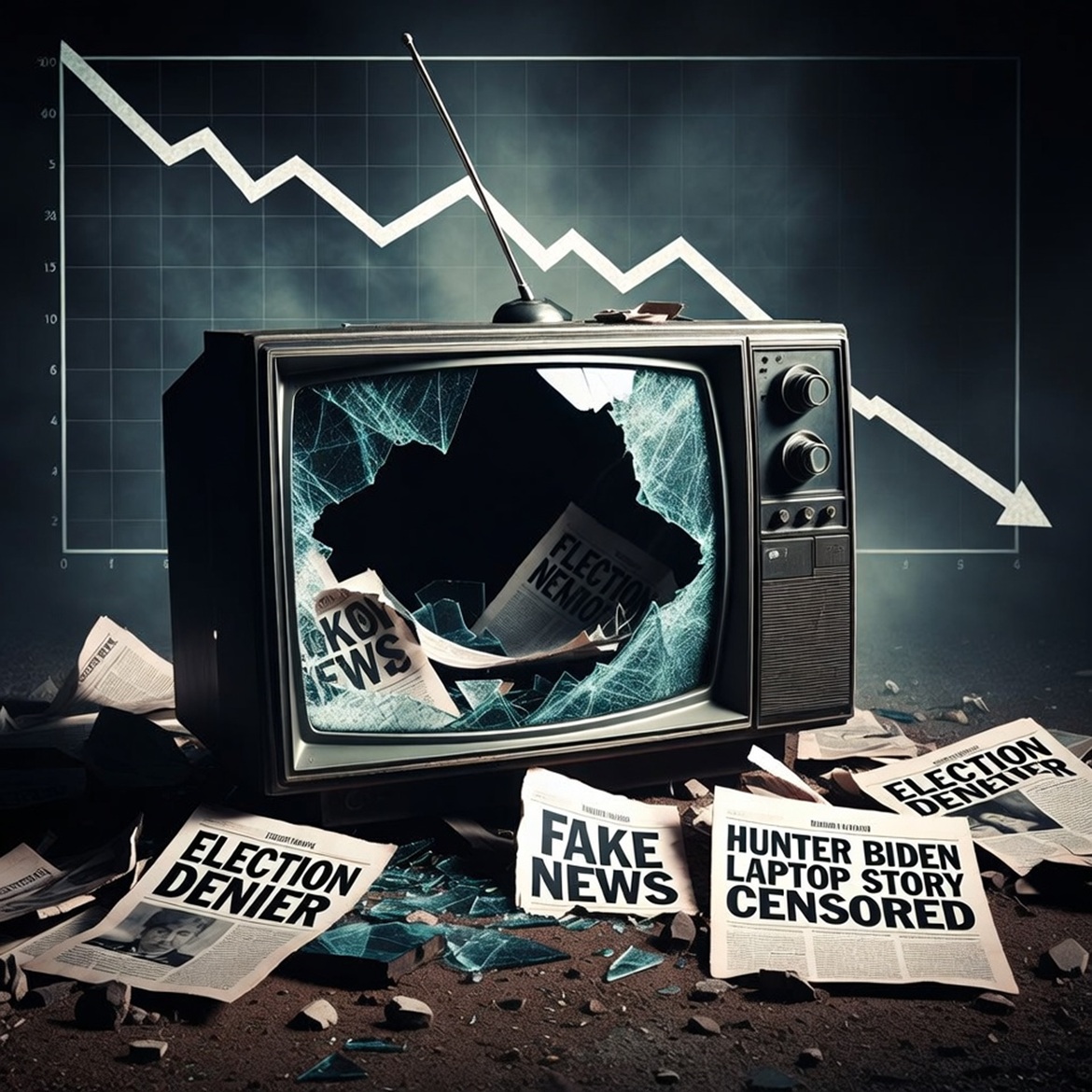
The endless stream of one-sided stories isn’t just annoying. It’s actively reshaping what you believe, what you fear, and how you live your life.
Wake up every morning, flip on the TV or open your phone, and what do you see? The same handful of networks and outlets repeating the same lines. They frame every issue to fit a narrow view that always points in one direction: more central control, more open borders, and more power handed to international groups and progressive causes. This isn’t sloppy reporting. It’s a coordinated push. And the longer it goes unchecked, the more it damages everything we value – truth, freedom, and our ability to make decisions based on reality.
You already sense it. Recent polls show trust in these big media sources has hit rock bottom. In late 2025, Gallup found only 28% of Americans trust newspapers, TV, and radio to report the news fully, accurately, and fairly – the lowest on record. Republicans are at just 8%. Even many Democrats and independents are pulling away. When most people no longer believe what they’re told, something has broken badly.
This didn’t start yesterday. It built slowly. But now it’s out in the open, and ignoring it means letting others control the narrative – and your future.
The Relentless Machine of Spin
These outlets used to chase stories. Now they chase agendas. Ratings matter, sure, but influence matters more. They turn small events into national emergencies if it fits the script. They downplay or ignore massive problems if it doesn’t.
Look at how they handle global policies. Trade deals, climate agreements, migration pacts – these get sold as unstoppable progress. The winners? Multinational corporations and elite institutions. The losers? Working families seeing jobs shipped overseas, or communities strained by unchecked influxes. Those downsides rarely make the cut. Instead, you get glowing reports on “global cooperation” that really means decisions made far from your vote.
Political coverage follows the same playbook. One party’s missteps dominate the cycle for weeks. The other’s get quick mentions or vanish entirely. Scandals that could hurt the preferred side fade away. This creates a warped picture where only certain ideas seem valid. It’s not balance. It’s engineering consent.
The goal isn’t to inform you. It’s to guide you toward conclusions that serve the powerful.
Burying the Hunter Biden Laptop Story to Protect Joe Biden in 2020
One of the clearest examples came right before the 2020 election. The New York Post published explosive details from Hunter Biden’s abandoned laptop – emails and records suggesting foreign business dealings that could tie back to his father. This wasn’t minor gossip. It raised serious questions about potential corruption and influence.
Yet mainstream outlets barely touched it. Many dismissed it outright as “Russian disinformation.” Social media platforms blocked shares of the story, limiting its reach massively in the final weeks of the campaign. Former intelligence officials – more than 50 of them – signed a letter claiming it had “all the classic earmarks” of a Russian operation, even though they admitted they hadn’t seen the evidence. Joe Biden himself referenced that letter in debates to shut down questions.
Later revelations showed the laptop’s contents were authentic. Investigations confirmed it wasn’t fabricated. Polls from around that time suggested that if voters had full access to the real story – not the suppressed version – many would have reconsidered their votes. One survey found nearly 80% of those following it believed the truth could have swung the election toward Trump. The media’s quick dismissal and the platforms’ censorship helped bury a story that could have changed everything for Joe Biden’s chances.
This wasn’t cautious journalism. It was active suppression timed perfectly to shield one side right when it mattered most.
Labeling Anyone Who Questions the 2020 Election as “Election Deniers”
The same pattern repeats with doubts about the 2020 election itself. If you raise legitimate questions – about mail-in voting changes, ballot counting procedures, or unusual patterns in key states – you’re instantly branded an “election denier.” Mainstream coverage slaps that label on anyone who doesn’t accept the official line without hesitation.
Outlets run headlines calling candidates, voters, or even elected officials “deniers” if they express skepticism. They tie it to threats against democracy, often without digging into specific concerns. This shuts down discussion fast. It paints millions of people – including those with honest questions backed by affidavits, data discrepancies, or court filings – as dangerous extremists.
The term “election denier” has become a weapon. It equates asking for transparency with rejecting democracy entirely. Meanwhile, real issues get dismissed as conspiracy talk. This labeling tactic protects the narrative and silences debate. It makes people afraid to speak up, knowing they’ll face ridicule or worse from the very outlets supposed to inform them.
When questions get labeled as denial, real scrutiny dies – and so does trust.
What They Choose to Bury Beyond That
The real damage comes from what’s missing across the board. Stories that challenge the approved line simply don’t air. Government overreach? Corporate corruption tied to elite interests? Failed policies that hurt regular people? These get minimal attention or none.
Health crises offer a clear example. Official positions get amplified without tough questions. Dissenting experts get dismissed or silenced. Economic reports focus on headline numbers while ignoring how inflation crushes savings or how certain regulations kill small businesses.
Environmental coverage pushes hard for international rules and green mandates. The human cost – higher energy bills, lost jobs in rural areas, impacts on everyday life – stays in the shadows. This selective focus isn’t accidental. It protects a vision where more authority flows upward, away from local control.
By hiding these angles, the media decides what you worry about and what you accept as inevitable. You end up reacting to a filtered version of the world, not the full one.
The Clear Push Toward Globalist and Progressive Priorities
Follow the thread, and it leads to one place: a worldview that favors centralized power, weakened national borders, and progressive social changes. Immigration stories highlight compassion but skip resource strains or security risks. Trade pacts get praised for growth, while factory towns’ collapse gets a footnote.
Elections show the slant plainly. Interviews soften for one side. Opponents face relentless grilling. This isn’t neutral ground. It’s a platform advancing ideas that align with global elites – think big tech, international organizations, and left-leaning politics.
The pattern repeats across topics. Climate action means more regulations. Health policy means more government involvement. Economic fixes mean more intervention. Individual choice and national priorities take a back seat. The media doesn’t just report this vision. It sells it aggressively.
You’re not getting news. You’re getting a sales pitch for a future most people didn’t ask for.
The Heavy Price We’re All Paying
This constant manipulation fractures society. Families split over what’s true. Neighbors distrust each other. People tune out entirely because nothing feels real anymore. Voter turnout drops. Engagement fades. A disconnected public becomes easier to steer.
Fear sells too. Endless crisis coverage keeps people anxious and compliant. Solutions always involve handing over more control – to governments, to global bodies, to experts who rarely face consequences.
Mental strain builds. Constant alarm wears you down. Division deepens. And trust? It’s shattered. When institutions lie by omission or spin, people stop believing anything.
But cracks appear. More folks seek independent sources. They cross-check. They question. Awareness spreads.
Steps You Can Take Right Now to Fight Back
Don’t wait for change from above. Start where you stand.
Diversify your sources aggressively. Pull from outlets across the spectrum. Compare coverage side by side. You’ll spot the omissions fast.
Dig deeper on every big story. Ask: What’s missing? Who benefits from this framing? Check primary documents, not just headlines.
Support voices that prioritize facts over narrative. Subscribe. Share. Build a network of reliable information.
Call it out. Write to networks. Post publicly. Demand accountability. Numbers create pressure.
Talk to others calmly. Share what you’ve seen without attacking. Plant seeds. One conversation at a time, minds open.
The most powerful move? Decide you won’t be fed lies. Seek truth actively. When enough people do that, the propaganda loses its grip.
Reclaiming reality starts with refusing to swallow the script.
Mainstream media crossed a line long ago. Their nonstop push for a globalist, progressive narrative – while burying stories like Hunter Biden’s laptop and slapping “election denier” on anyone who questions 2020 – threatens the core of informed citizenship. But you hold the power to see through it. Stay sharp. Stay curious. Stay free. The truth is out there if you insist on finding it.