The American capacity for mass production, shipping, and distribution was one of the major reasons why the Allies won World War II. Among the wonders to move quickly from American factories to the front lines were hundreds of thousands of jeeps. These trucks were simple to use and maintain. They could go anywhere and be adapted for multiple roles.
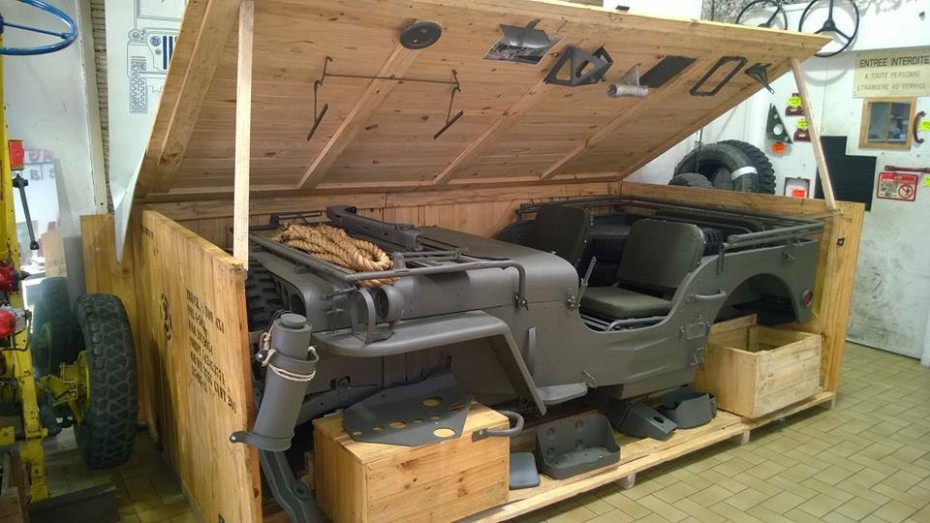
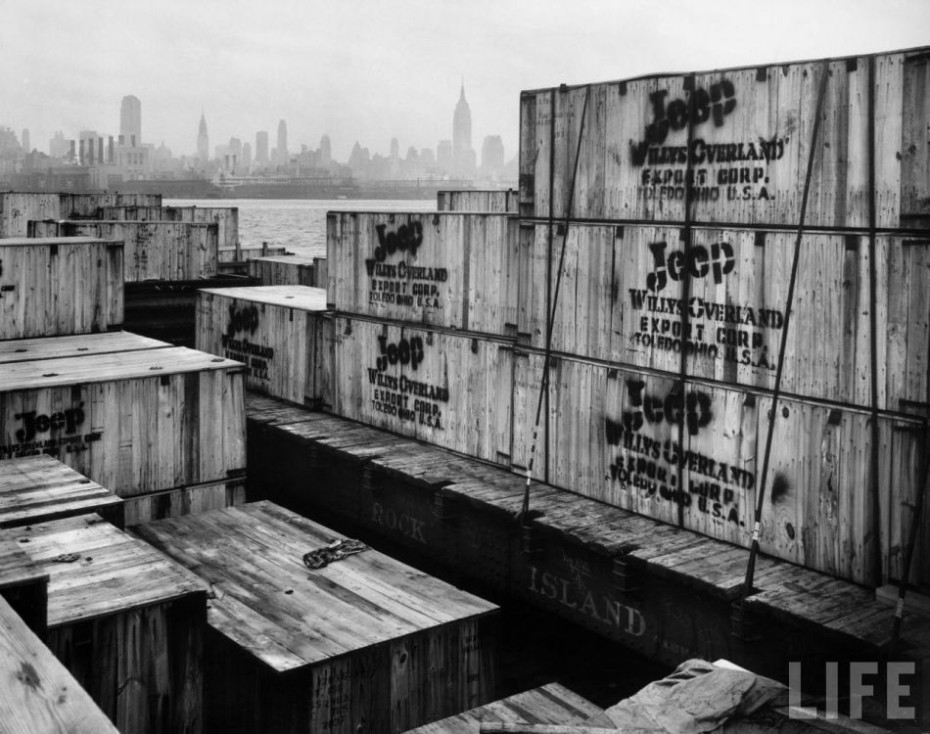
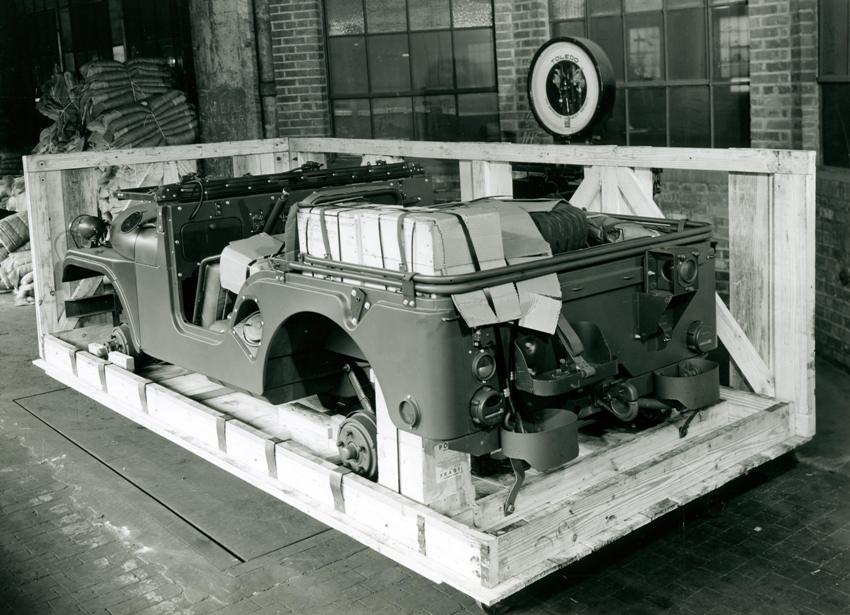
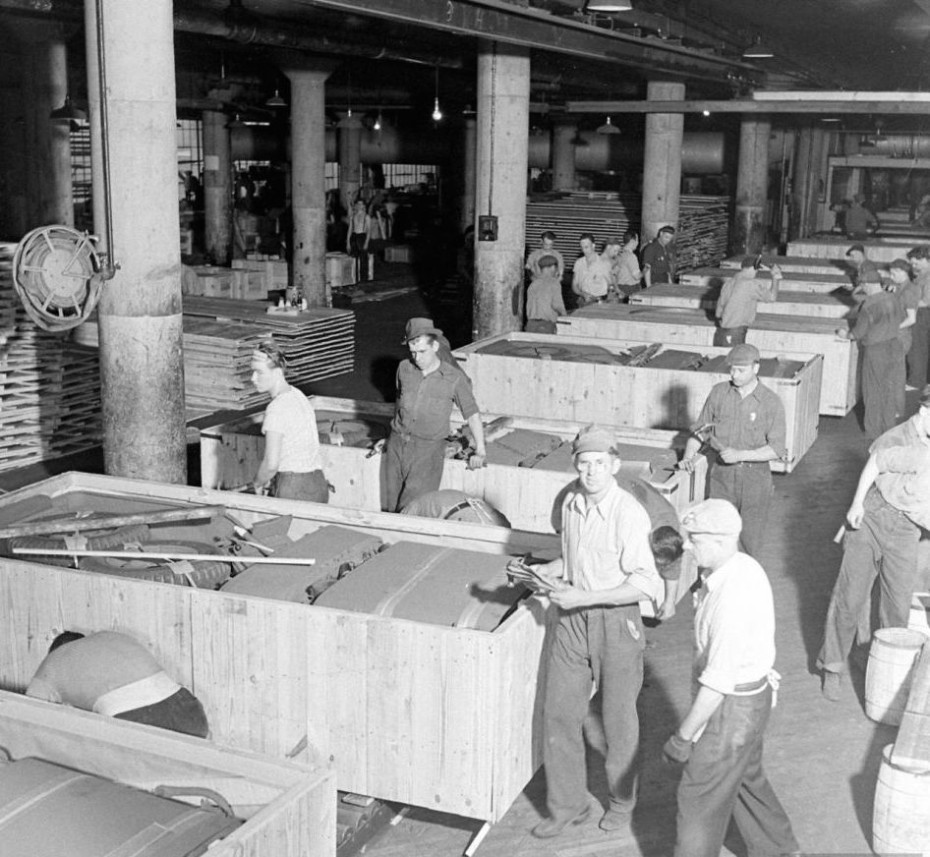
Stateside factories shipped jeeps in enormous crates—one per jeep. When an assembly line of trained US Army mechanics was ready, it could assemble a jeep in 3 minutes. You can read a copy of the instructions used by soldiers in 1943 at the Military Vehicle Preservation Association.
InformationComments Off on Foods The Oldest People In The World Swear By
Dec192015
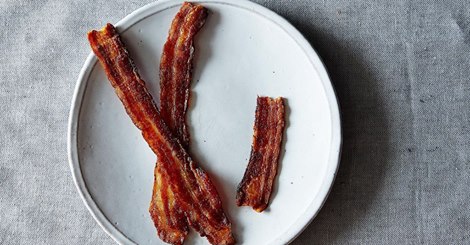
Live long and prosper… thanks to bacon!
This morning, we read that the oldest woman in the world, Susannah Mushatt Jones, age 116, eats four strips of bacon every morning. This, coupled with a June report that supercentenarian Agnes Fenton, age 110, credits her age to three bottles of Miller Light everyday made us realize thatwe might consider changing some things up. Maybe we should be eating less kale and quinoa and more whiskey and ice cream.
Here is what to eat and drink for longevity, according to the oldest people in the world:
Forget the smell of harsh chemicals when cleaning, you can clean just as effectively by combining just a few natural ingredients. Using various different products like white vinegar, baking soda, lemon juice and essential oils you can keep your house crystal clean!
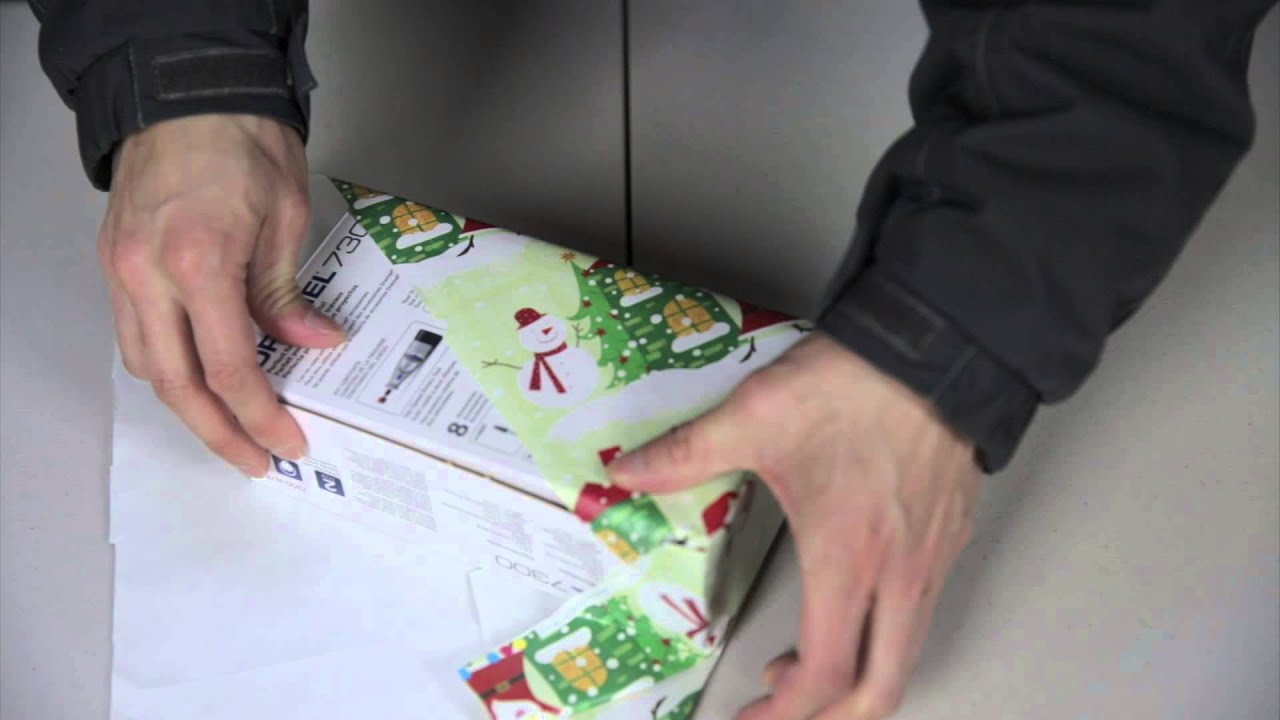
Just in time for Christmas. A step by step tutorial on how to speed gift wrap like in Japanese department stores.
The truly prepared already have their Christmas presents wrapped and hidden away. But the rest of us have real life to deal with and will most likely wrap our gifts with just minutes counting down to Christmas morning.
To help lift your gift wrapping game, Beat The Bush explains a simple yet ingenious Japanese gift wrapping technique.
InformationComments Off on American History: Why Are American Soldiers Called GIs?
Dec172015
The origins of this popular nickname are somewhat murky. A popular theory links the term to the early 20th century, when “G.I.” was stamped on military trash cans and buckets. The two-letter abbreviation stood for the material from which these items were made: galvanized iron. Later, the definition of GI broadened and during World War I it was used to refer to all things Army-related, according to “Origins of the Specious: Myths and Misconceptions of the English Language” by Patricia T. O’Conner and Stewart Kellerman. When this happened, GI was reinterpreted as “government issue” or “general issue.”
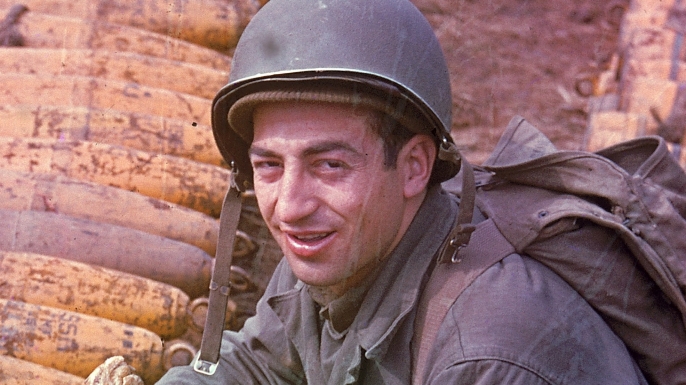
The prevalence of the term led soldiers in World War II to start referring to themselves as GIs. Some servicemen used it as a sarcastic reference symbolizing their belief that they were just mass-produced products of the government. During the war, GI Joe also became a term for U.S. soldiers. Cartoonist Dave Breger, who was drafted into the Army in 1941, is credited with coining the name with his comic strip titled “G.I. Joe,” which he published in a weekly military magazine called Yank, beginning in 1942. In 1964, U.S. toy company Hasbro, after taking note of competitor Mattel’s huge success with the Barbie doll (launched in 1959), debuted “G.I. Joe,” a military-themed line of action figures for boys.
Meanwhile, in June 1944, President Franklin Roosevelt signed the Servicemen’s Readjustment Act, which became commonly known as the GI Bill. The famous legislation provided a range of benefits for returning World War II veterans, including funding for college, home loans and unemployment insurance.