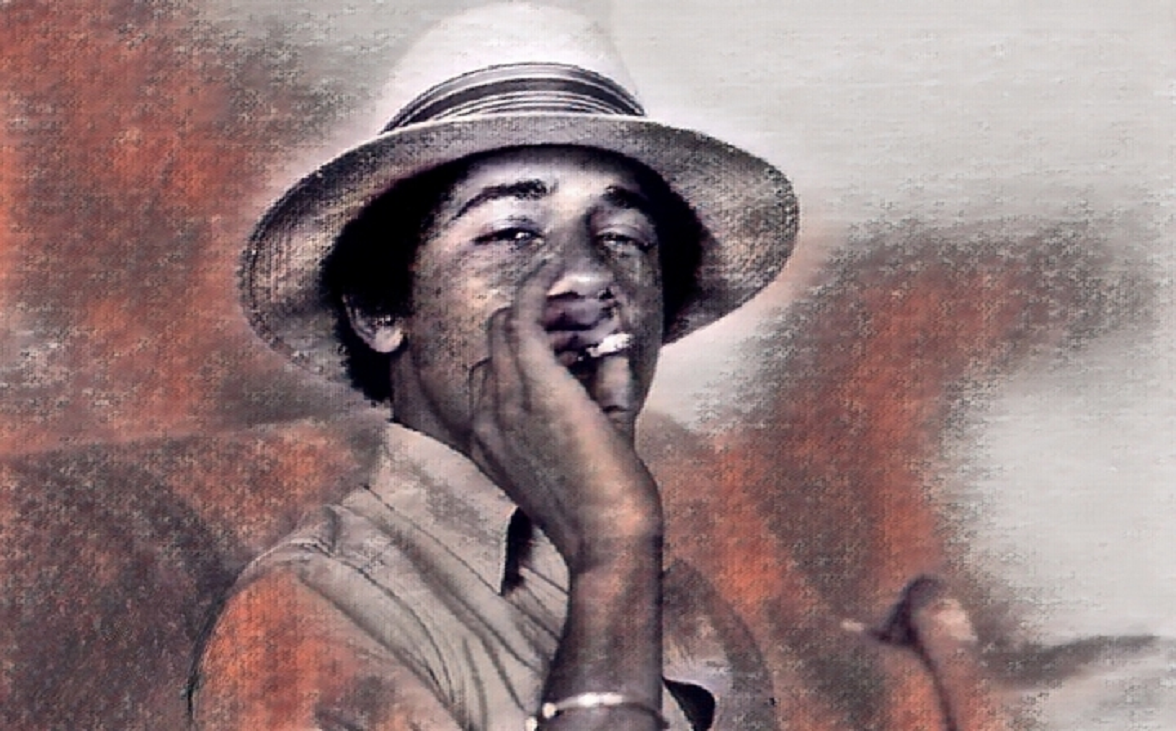
Barack Hussein Obama was the 44th President of the United States. But before he was president, he was a student at Columbia University. Or was he?
There is no record of Obama ever attending Columbia University. No students or professors remember him. His name does not appear in any yearbooks or student directories.
So what happened? Did Obama really go to Columbia? Or is he the ghost of Columbia University?
There are a few possible explanations. One possibility is that Obama did go to Columbia, but he was so quiet and unremarkable that no one remembers him. Another possibility is that he did not go to Columbia at all, and his entire college education is a lie.
Whatever the truth may be, the mystery of Obama’s time at Columbia University continues to fascinate people. Some people believe that he is a secret genius who was hiding his true potential while he was at Columbia. Others believe that he is a fraud who lied about his education in order to get ahead.
The truth may never be known. But the mystery of Obama’s time at Columbia University is a reminder that even the most powerful people in the world have some very dark secrets.
The Evidence
There is no hard evidence that Obama attended Columbia University. No student or professor has come forward to say that they remember him. His name does not appear in any yearbooks or student directories.
However, there is some circumstantial evidence that suggests that Obama may have attended Columbia. For example, he has said that he attended Columbia in his autobiography, “Dreams from My Father.” He has also said that he met his future wife, Michelle Obama, at Columbia.
The Theories
There are a few different theories about what happened to Obama at Columbia. One theory is that he did go to Columbia, but he was so quiet and unremarkable that no one remembers him. This theory is supported by the fact that Obama was a transfer student, and he may have not been very involved in campus life.
Another theory is that Obama did not go to Columbia at all, and his entire college education is a lie. This theory is supported by the fact that there is no hard evidence that Obama attended Columbia, and his story about meeting Michelle Obama at Columbia has been contradicted by some people.
The Mystery
The mystery of Obama’s time at Columbia University is likely to continue for many years to come. There is no clear answer to whether or not he attended Columbia. The evidence is inconclusive, and there are many theories about what happened.
Only Obama knows the truth about his time at Columbia University. But until he comes forward with more information, the mystery will remain unsolved.
The Conclusion
The mystery of Obama’s time at Columbia University is a fascinating one. It is a reminder that even the most powerful people in the world have secrets. Whether or not Obama attended Columbia, his story is a reminder that we should always be skeptical of what we hear from politicians and other public figures.
Here are the main details about the mystery:
Obama’s campaign said that he attended Columbia from 1981 to 1983, but the university has no records of him being a student there.
Reporters contacted over 400 people who attended Columbia during Obama’s time there, but none of them remembered him.
Obama’s campaign refused to release his Columbia transcripts.
Conspiracy, Featured, PoliticalComments Off on Project MKNAOMI: The Secret CIA Program That Weaponized Biological Agents
Aug262023
In the early days of the Cold War, the CIA was desperate to find an edge against the Soviet Union. One of the things they turned to was biological warfare.
Project MKNAOMI was a top-secret program that began in 1952 to develop and stockpile biological agents for use in covert operations. The CIA worked with scientists at Fort Detrick, Maryland, to create a wide range of deadly pathogens, including anthrax, botulinum toxin, and smallpox.
The agents were developed in secret, and the CIA made sure to keep their existence hidden from the public. But in 1975, a Senate investigation revealed the full extent of MKNAOMI. The program was shut down, but the damage had already been done.
The discovery of MKNAOMI raised serious questions about the CIA’s ethics and its willingness to violate international law. It also showed how far the agency was willing to go in its quest for power.
How MKNAOMI Worked
MKNAOMI was a complex program with many components. The CIA worked with scientists at Fort Detrick to develop and stockpile biological agents. They also developed delivery systems for these agents, such as bombs, sprayers, and darts.
The CIA also conducted research on how to use biological agents in the field. They studied the effects of these agents on humans and animals, and they developed methods for dispersing them in populated areas.
MKNAOMI was a highly classified program, and the CIA went to great lengths to keep it secret. The scientists who worked on the program were sworn to secrecy, and the CIA destroyed most of the documentation related to it.
The Targets of MKNAOMI
The CIA never publicly acknowledged the targets of MKNAOMI, but it is believed that the program was designed to be used against the Soviet Union, China, and other communist countries. The CIA also considered using biological agents against Cuba and North Korea.
There is no evidence that MKNAOMI was ever used in an actual operation. However, the CIA did conduct a number of tests with biological agents in the United States. These tests exposed unwitting civilians to dangerous pathogens, and some of them died as a result.
The Legacy of MKNAOMI
The discovery of MKNAOMI was a major scandal, and it led to a number of reforms at the CIA. The program was shut down, and the CIA was forced to destroy all the biological agents it had stockpiled.
However, the legacy of MKNAOMI continues to this day. The program raised serious questions about the CIA’s ethics and its willingness to violate international law. It also showed how far the agency was willing to go in its quest for power.
The discovery of MKNAOMI also led to a renewed debate about the dangers of biological warfare. This debate is still ongoing today, and it is a reminder of the threat that these weapons pose to humanity.
The Future of Biological Warfare
The threat of biological warfare is real and growing. In recent years, there have been a number of high-profile cases of bioterrorism, and there is a growing concern that these attacks could become more common.
The development of new technologies, such as gene editing, is making it easier to create and weaponize biological agents. This is a worrying trend, and it is important to take steps to prevent these weapons from falling into the wrong hands.
We need to do more to prevent biological warfare. This means strengthening international laws and regulations, and it also means investing in research and development of new detection and containment technologies.
We also need to educate the public about the dangers of biological warfare. People need to be aware of the threat and know what to do if they are ever exposed to a biological agent.
The future of biological warfare is uncertain, but one thing is for sure: we cannot afford to take this threat lightly. We need to take steps to prevent these weapons from being used, and we need to be prepared if they are ever used.
Final Thoughts
Project MKNAOMI was a dark chapter in the history of the CIA. The program showed how far the agency was willing to go in its quest for power, and it raised serious questions about the ethics of biological warfare.
The legacy of MKNAOMI continues to this day. The program is a reminder of the dangers of biological warfare, and it is a call to action to prevent these weapons from being used.
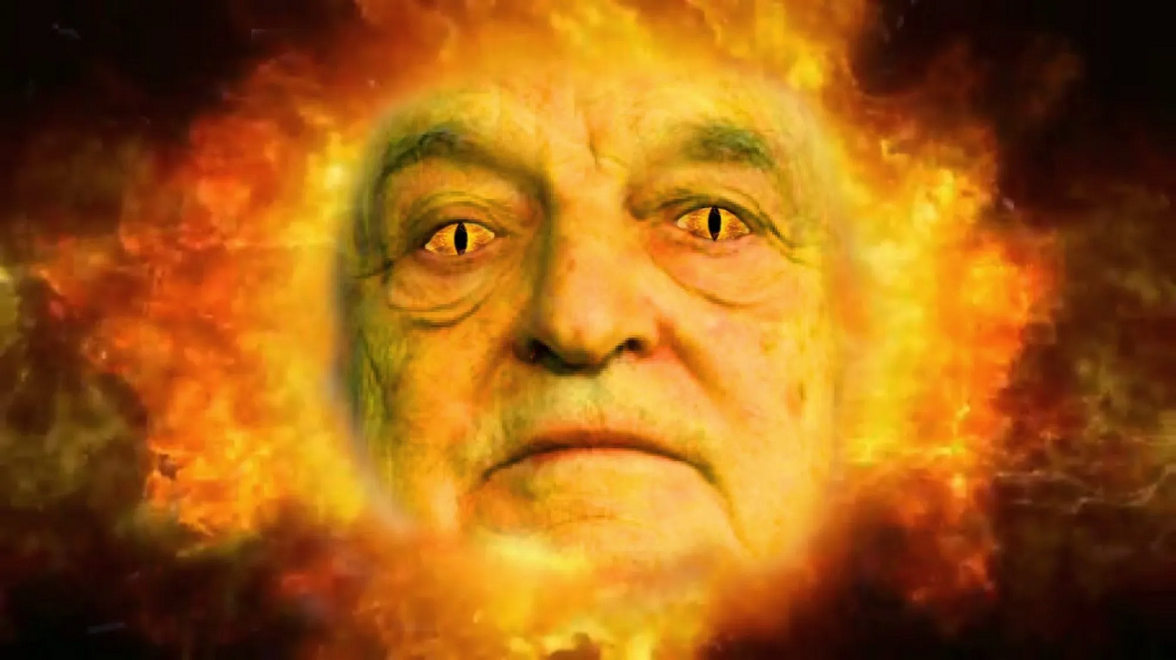
In the vast tapestry of history, certain individuals stand out as enigmatic figures whose actions weave intricate patterns that both intrigue and confound. George Soros, a name that often conjures up images of a financial titan and philanthropic trailblazer, is one such individual. Yet, as we dig into the labyrinthine corridors of his past and present, a darker thread emerges – one that raises questions about his motivations, methods, and the shadowy designs that seem to underlie his every move.
Origins in Shadows
As the old adage goes, the past has a way of catching up with us, and in the case of George Soros, his early life casts a troubling shadow over his later successes. Born in Hungary in 1930, his formative years were marked by the turmoil of World War II and the sinister rise of Nazi ideology. While Soros has regularly downplayed this period, describing himself as a mere spectator to history’s horrors, a more probing examination reveals a deeply unsettling connection. Soros, then a teenager, was known to have been employed by a Hungarian official charged with the task of confiscating Jewish property. This disturbing association has raised eyebrows and prompted uncomfortable questions about his role in those dark days.
Wealth Accumulation: A Mysterious Alchemy
George Soros’ journey from a war-torn Europe to the upper echelons of global finance seems like a tale plucked from the pages of a rags-to-riches novel. But as the ink of his life story dries, some have questioned the alchemical process that transformed him into a billionaire. His hedge fund, Soros Fund Management, has generated astronomical gains over the years, earning him a place among the world’s richest. However, critics contend that his financial success might not be as innocently wrought as it appears.
Accusations of market manipulation and predatory practices have often been leveled against Soros. The most notorious episode occurred in 1992, when he infamously shorted the British pound, forcing its withdrawal from the European Exchange Rate Mechanism and making a billion-dollar profit in the process. This move, which led to a financial crisis in the UK, painted him as a shadowy figure capable of wielding immense power over economies. It’s worth pondering whether such an approach to wealth acquisition raises ethical concerns and casts doubt on his altruistic facade.
Puppeteer of Politicians
Power, they say, is the ultimate aphrodisiac, and George Soros seems to have an uncanny ability to attract and influence politicians. His Open Society Foundations, ostensibly dedicated to promoting “democracy”, human rights, and freedom of expression, have been instrumental in shaping political landscapes around the world. Critics argue that this influence goes beyond the boundaries of transparency and democratic norms.
One glaring example is his involvement in Ukraine’s Orange Revolution in 2004 and subsequent Maidan protests in 2014. Soros-backed organizations played a pivotal role in these movements, leading to the overthrow of governments. While he championed these as triumphs of democracy, skeptics saw a web of manipulation aimed at advancing his own interests under the guise of promoting freedom.
The Color of Revolutions: Orchestrating Chaos
The phenomenon of “color revolutions,” characterized by seemingly spontaneous uprisings that lead to regime changes, has become synonymous with George Soros’ name. From Georgia to Kyrgyzstan, his influence has been felt across various nations undergoing political upheaval. While the promise of democracy and progress may be the banner under which these movements march, one cannot help but question the orchestration behind the scenes.
Soros’ manipulations and covert support for these revolutions could destabilize nations and create power vacuums, potentially plunging countries into chaos. The aftermath of such events often leaves societies grappling with uncertainty, making it essential to scrutinize whether the seeds of these revolutions serve a genuine desire for democracy or a hidden agenda.
Migration: A Trojan Horse?
In recent years, the world has been grappling with the challenges posed by mass migration. George Soros has advocated for open borders and has even proposed that Europe should accept over a million refugees annually. While this stance is hailed by some as a humanitarian gesture, others view it as a Trojan horse concealing broader geopolitical ambitions.
The notion of a one-world global government, often seen as a utopian ideal, takes on a darker hue when seen through the lens of orchestrated mass migration. Critics fear that Soros’ vision of an interconnected world might involve the erosion of national identities and the consolidation of power in the hands of unelected elites. This interpretation raises concerns about the potential consequences of his actions on the cultural and social fabric of nations.
Final Thoughts
As we draw the curtains on the mysterious figure that is George Soros, a disconcerting truth emerges from the depths of his intricate web of influence. The story of Soros, often painted with strokes of wealth, power, and philanthropy, reveals a darker underbelly that defies easy categorization.
In the corridors of history, figures like Soros have a way of carving out a niche that defies traditional hero-villain classifications. While his life journey spans continents and decades, what remains etched in the mind is a narrative that doesn’t fit neatly into the pages of a fairy tale. His wealth, amassed through means that invite ethical skepticism, becomes a symbol of ambition veering into the treacherous terrain of manipulation.
Soros’ political maneuverings and his orchestration of events for personal gain give rise to an unsettling revelation about the extent of his influence. Beneath the surface of his philanthropic facade lies a master puppeteer, tugging at the strings of governments and revolutions, leaving chaos and uncertainty in his wake. The image of a benevolent champion of open societies fades into the shadows, replaced by a specter of calculated intent.
The concept of a one-world global government, once a utopian ideal, now resonates with ominous undertones. Soros’ advocacy for unchecked migration stands as a testament to the potential dangers of his grand vision. As nations grapple with the consequences of uprooted cultures and destabilized societies, his vision takes on a more sinister hue, raising the specter of a future shaped by secret designs.
As we contemplate the paradox of George Soros, a man of complexity and contradiction, we confront the haunting realization that his legacy may not be one of unadulterated benevolence. The tapestry he has woven is woven with strands of light and darkness, leaving us with a narrative that lingers in the shadows—a narrative that beckons us to ponder the thin line between power and manipulation, altruism and self-interest.
The mystery of George Soros endures, casting a long and unsettling shadow across the landscape of history. As time marches on, the truth may remain just beyond our grasp, obscured by the intricacies of human ambition and the mysteries that shroud the actions of those who wield power in the gloom.
Conspiracy, Featured, PoliticalComments Off on From Public Service to Private Riches: Decoding Joe Biden’s Path to Prosperity
Aug212023
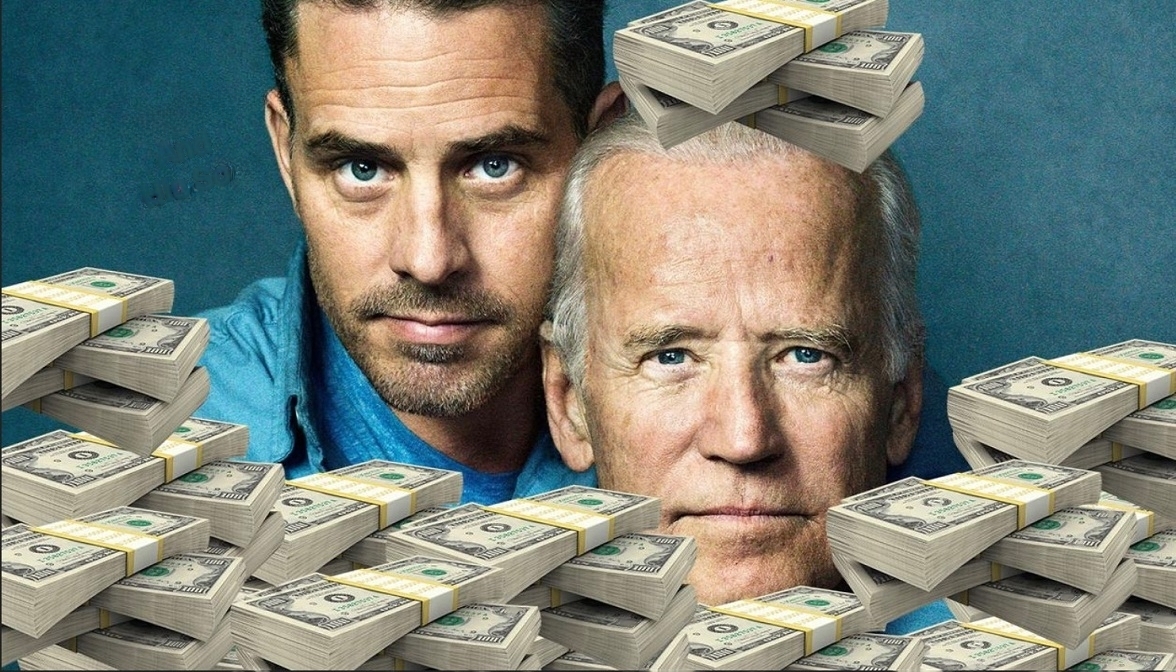
In the tapestry of American politics, there are those who serve their nation with a noble devotion, upholding the ideals of liberty and justice. And then there are those whose paths meander through the labyrinth of power, leaving perplexing questions in their wake. Joe Biden, a name synonymous with decades of public service, has undertaken such a journey. One that has led him not only through the corridors of power, but also to a realm of financial prosperity that raises eyebrows and stirs the imagination. How did a career public servant amass such a fortune? A tale of lucrative connections, international dealings, and shadowy alliances emerges, casting a puzzling shadow over the narrative of his life.
The story unfolds against the backdrop of geopolitical intrigue, where faraway lands like China, Ukraine, and Romania become central to a narrative that could easily be the stuff of a political thriller. We look into the curious chapters that chronicle Biden’s entanglements and financial successes that belie his position as a mere public servant.
Whispers of China: The Silk Road to Wealth
As the dawn of the 21st century broke, China was already emerging as a global economic powerhouse, and its tendrils of influence reached far and wide. It’s in this context that Joe Biden, a seasoned politician, would find himself entangled in the lucrative web spun by the East. Critics raise questions: how could a public servant with a modest salary amass a fortune while simultaneously navigating the delicate waters of diplomatic relations?
The tale takes us to the Biden family’s joint venture with the Bank of China in 2013, during Biden’s tenure as Vice President. The creation of a private equity fund raised eyebrows, as it seemed to offer a gateway to the financial juggernaut that was China. Skeptics pointed to the inherent conflict of interest—Biden’s son, Hunter, sitting on the board of a company with ties to a foreign power while his father engaged in diplomatic discussions with the same nation. The lines between public duty and private gain blur, casting a shadow over the purity of intentions.
Ukrainian Odyssey: Burisma’s Bounty
If China was a dance on the global stage, Ukraine became a subplot in Joe Biden’s narrative of wealth accumulation. The tale of Burisma Holdings, a Ukrainian energy company, entwined Biden’s son, Hunter, in its folds. While Joe Biden was tasked with overseeing U.S. policy towards Ukraine, his son’s appointment to Burisma’s board raised concerns of conflict of interest. Questions lingered: was Hunter Biden’s position a result of his qualifications or the influence his father wielded?
The murky waters of Burisma were further muddied by Joe Biden’s ultimatum to Ukraine’s government to remove a prosecutor investigating the company, as a condition for receiving U.S. aid. While Biden’s defenders argue that his intentions were aligned with anti-corruption efforts, skeptics point to a potentially darker motive—a bid to safeguard his son’s financial interests. The intertwining threads of family, politics, and business weave a web of intrigue that challenges the narrative of Biden’s ethical compass.
Rumblings from Romania: The Art of Opportunism
As the pages of Biden’s financial narrative continue to unfold, the Romanian chapter emerges—a story of real estate dealings that amplifies the suspicion of opportunism. An investigative report raises questions about the timing and nature of a real estate venture involving Biden’s brother and his son-in-law. The deal, involving a real estate mogul with a history of legal issues, paints a picture of a family capitalizing on connections.
Critics argue that this pattern of financial gain from familial connections and political networks erodes the trust that the public places in their representatives. The aura of public service begins to fray, replaced by an unsettling image of individuals leveraging power for personal enrichment.
A Murmuring Darkness: The Shadows Overhead
The tale of Joe Biden’s financial ascent weaves a tapestry of intrigue and unease, shrouding his legacy in a chilling, ominous aura. It raises not only eyebrows but also troubling specters of motives veiled in shadows, leaving behind a trail of apprehension that slithers through the corridors of power.
This narrative, dripping with the ink of secrecy, casts an unsettling chill over the very heart of public service, raising the disconcerting question: what lies beneath the surface of decisions, policies, and alliances? As the tendrils of his wealth entwine with international dealings and familial connections, a sinister undercurrent emerges, where the ideals of America become enmeshed in a sinister dance with the allure of financial gain.
Joe Biden’s financial conquests undermine the very essence of ethical governance, sending tremors through the foundation of trust on which societies are built. A labyrinthine tale like this leaves us to ponder the sinister darkness that may cloak the corridors of power, overshadowing the facade of virtuous service with a more evil intent.
As the chapters of Joe Biden’s story continue to unfold, they unveil a narrative that reverberates with ominous tones, challenging us to peer into the abyss where public duty meets private enrichment. The mystery deepens, and the darkness murmurs, reminding us that the thin line between nobility and corruption is a precipice upon which history teeters.
As the chapters of Joe Biden’s life continue to be written, it’s a tale that will be dissected by historians, scrutinized by analysts, and debated by citizens. The mysterious ascent from humble beginnings to a realm of financial prosperity remains a narrative that challenges the very essence of political ethics. It leaves us to ponder the thin line between noble service and the alluring allure of wealth.
Conspiracy, Featured, PoliticalComments Off on Project Sunshine: The Secret Government Study on the Effects of Nuclear Fallout
Aug192023
In the early 1950s, the United States government was conducting a secret study to measure the effects of nuclear fallout on the human body. The study, code-named Project Sunshine, involved collecting the bodies of dead babies and children and examining them for signs of radiation exposure.
The study was authorized by President Dwight D. Eisenhower in 1953. The Atomic Energy Commission (AEC), which was responsible for overseeing the study, recruited pathologists from across the country to participate. The pathologists were instructed to collect the bodies of all babies and children who died within 10 days of birth, regardless of the cause of death.
The bodies were then shipped to the AEC’s Human Tissue Repository in Oak Ridge, Tennessee. There, the pathologists examined the bodies for signs of radiation exposure. They looked for things like radioactive particles in the bones and tissues, and changes in the cells.
The study continued for several years, and the AEC collected the bodies of over 1,000 babies and children. The results of the study were never published, but they were eventually declassified in the early 2000s.
The study revealed that even low levels of radiation exposure can have a significant impact on the human body. The babies and children who were exposed to radiation had a higher risk of developing cancer, leukemia, and other health problems.
The study also showed that the effects of radiation exposure can be passed down from generation to generation. The children of the babies and children who were exposed to radiation were also at an increased risk of developing health problems.
Project Sunshine is a reminder of the dangers of nuclear fallout. It is also a reminder of the lengths that the government will go to in order to protect its citizens from harm.
The Secretive Origins of Project Sunshine
Project Sunshine was born out of the Cold War fear of nuclear war. In the early 1950s, the United States and the Soviet Union were engaged in a nuclear arms race. Both countries were conducting nuclear tests, and there was a growing concern about the potential effects of nuclear fallout on the population.
The AEC was tasked with studying the effects of nuclear fallout. The agency conducted a number of studies, including Project Sunshine. Project Sunshine was designed to collect data on the short-term effects of radiation exposure. The AEC hoped that the data from Project Sunshine would help them to develop better ways to protect the population from nuclear fallout.
The Secrecy of Project Sunshine
Project Sunshine was kept secret for many years. The AEC did not want to alarm the public about the potential dangers of nuclear fallout. The agency also did not want to give the Soviet Union any information about its research.
The secrecy of Project Sunshine was finally lifted in the early 2000s. The AEC declassified the study, and the results were made public. The release of the study sparked a wave of controversy. Many people were outraged that the government had conducted secret experiments on dead babies and children.
The Legacy of Project Sunshine
Project Sunshine is a reminder of the dark side of the Cold War. It is also a reminder of the lengths that the government will go to in order to protect its citizens from harm. The study has also raised important questions about the ethics of scientific research.
The results of Project Sunshine have been used to improve our understanding of the effects of radiation exposure. The study has also helped to develop better ways to protect people from nuclear fallout. However, the secrecy of the study has also damaged the public’s trust in the government.
Project Sunshine is a complex and controversial issue. There is no easy answer to whether or not the study was justified. However, the study is a reminder of the importance of transparency and accountability in scientific research.