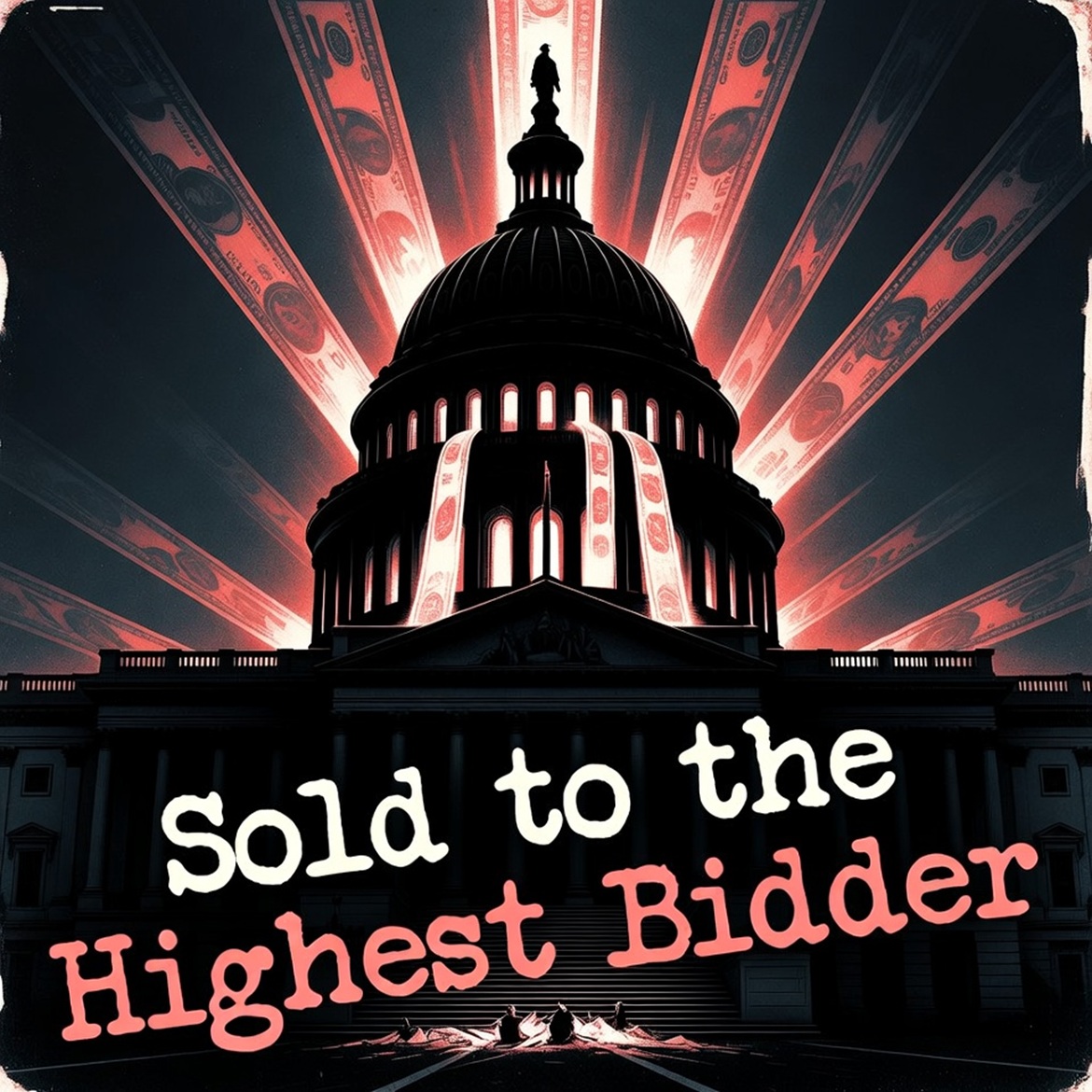
Imagine waking up to news that your country’s decisions on trade, aid, and even education are shaped not by voters like you, but by deep pockets from overseas. It happens more than you think. Foreign cash flows into the halls of power, tilting the scales in ways that favor outsiders over everyday Americans. This isn’t just a distant worry. It’s a reality that touches jobs, security, and the future we build for our families. Let’s pull back the curtain on how this system works and why it’s time to pay attention.
Foreign interests have poured over half a billion dollars into shaping U.S. decisions since 2017 alone, buying access that ordinary folks could never afford.
The Hidden Channels of Influence
Foreign money doesn’t just knock on the door. It slips in through clever paths designed to look clean and legal. Think about groups that lobby lawmakers. These are outfits hired by other countries to push for changes in laws or funding that benefit them. For instance, nations in East Asia, like South Korea and Japan, have spent tens of millions each year to sway opinions on trade deals and alliances.
But it’s not only governments. Wealthy individuals from abroad funnel cash through nonprofit organizations here in the States. A recent report shows six foreign entities tied to billionaires have routed more than two and a half billion dollars into American advocacy groups. These funds support causes that align with their agendas, from climate policies to social issues. The loophole? Nonprofits don’t have to reveal every donor, so the true sources stay in the shadows. This setup lets outsiders meddle in elections and policy without leaving fingerprints.
Take universities as another example. Schools receive huge sums from foreign sources, often without full disclosure. One study found that from 2010 to 2016, half of these gifts went unreported. When investigations dug deeper, they uncovered billions in hidden funds. These dollars can steer research and teaching toward views that suit the donors, not the nation’s needs.
Key Players Pulling the Strings
Who stands to gain from this? Let’s look at the top spenders. Saudi Arabia tops the list in recent years, with efforts focused on building favorable ties after past tensions. They’ve hired teams to meet with lawmakers, host events, and shape public views. Close behind are places like the United Arab Emirates and Ukraine, each logging hundreds of political contacts to advance their interests.
China plays a big role too. Through talent programs and investments, they recruit experts and fund projects that give them an edge in technology and trade. Japan and South Korea invest heavily to protect their economic stakes, influencing everything from tariffs to military aid.
Then there are the billionaires. A Swiss tycoon, for one, has channeled over sixty million dollars to progressive groups in just two years. This money flows to outfits that push for redistricting and other changes, all while the giver stays offshore. It’s a pattern: Rich foreigners use American nonprofits as pipelines to amplify their voices in our debates.
These players aren’t random. They’re strategic, targeting committees that control foreign aid, subsidies, and regulations. When a connected lawmaker leaves a key spot, aid to that country can drop by millions. It’s proof that personal ties translate to real dollars and decisions.
When foreign cash talks, American priorities walk – aid, tariffs, and subsidies shift to suit outsiders, leaving us to foot the bill.
Real-World Examples That Hit Home
History is full of cases where foreign money tipped the balance. Consider foreign aid. Data shows that countries with strong lobbying ties get boosts in U.S. support. One analysis found that after a lawmaker with connections steps down from a relevant committee, aid to that nation falls by about fifteen million dollars on average. That’s taxpayer money redirected based on who has the best access.
Tariffs tell a similar story. Nations that build relationships with U.S. officials see better odds for favorable trade rules. Four years after losing a key ally in Congress, a country’s chances of getting helpful legislation drop by four percentage points. It’s not coincidence; it’s calculation.
Corporate subsidies offer another angle. Foreign firms linked to American lawmakers through district changes receive twenty percent more in grants after redistricting. Think about that: Companies from abroad get extra help from our government, often at the expense of local businesses.
Elections aren’t immune either. The 2016 cycle saw foreign actors buy online ads to sway voters, exploiting weak rules on disclosure. Now, corporations with foreign owners – like big names in tech and energy – pour money into campaigns. A loophole from a Supreme Court ruling lets them spend freely, as long as they have a U.S. base. Bills to close this gap exist, but progress is slow, raising questions about who’s really in charge.
Even protests and advocacy feel the touch. Foreign charities have funneled nearly two billion dollars to groups pushing climate and justice agendas. One such fund has ties to overseas powers, blending their goals with American movements.
The Cost to Everyday Americans
This influence doesn’t stay in Washington. It ripples out to your wallet and community. When foreign lobbying sways trade policies, American jobs in manufacturing or tech can vanish. Subsidies to overseas firms mean less support for homegrown innovation. And when universities hide foreign gifts, it risks compromising research that could lead to breakthroughs in health or security.
Worse, it erodes trust. If decisions favor those who pay the most, what happens to the voice of the average citizen? Policies on immigration, energy, and defense start reflecting global agendas over national ones. Foreign exchange manipulations add another layer, where countries tweak currencies to undercut U.S. exports, hurting farmers and factories.
The numbers are staggering. Over five hundred million dollars in lobbying since 2017, billions more through nonprofits – it’s a flood that drowns out fairness. And with intelligence warnings of ongoing meddling, the threat grows.
Billions flow in, jobs flow out – foreign influence turns American dreams into distant memories for too many families.
Steps to Reclaim Control
You don’t have to sit idle. Start by demanding transparency. Support laws that require full reporting of foreign funds in universities and nonprofits. Push for bills that bar corporations with significant overseas ownership from election spending.
Educate yourself and others. Follow reports from watchdogs tracking these flows. Vote for leaders who prioritize closing loopholes over taking easy money. Join groups advocating for campaign finance reforms that put Americans first.
On a personal level, question the sources behind big advocacy pushes. When a policy seems off, dig into who benefits. Share stories like these to build awareness. Change starts when enough people see the problem and act.
A Call to Wake Up
The system as it stands puts America up for auction, with foreign bidders often winning. From lobbying millions to hidden billions, the evidence mounts that outside forces shape our path. But knowledge is power. By shining a light on these practices, we can demand a government that answers to us, not distant donors.
It’s time to protect what makes this nation strong: decisions driven by the people, for the people. Stay vigilant, speak out, and let’s turn the tide before it’s too late.
Sorry, the comment form is closed at this time.