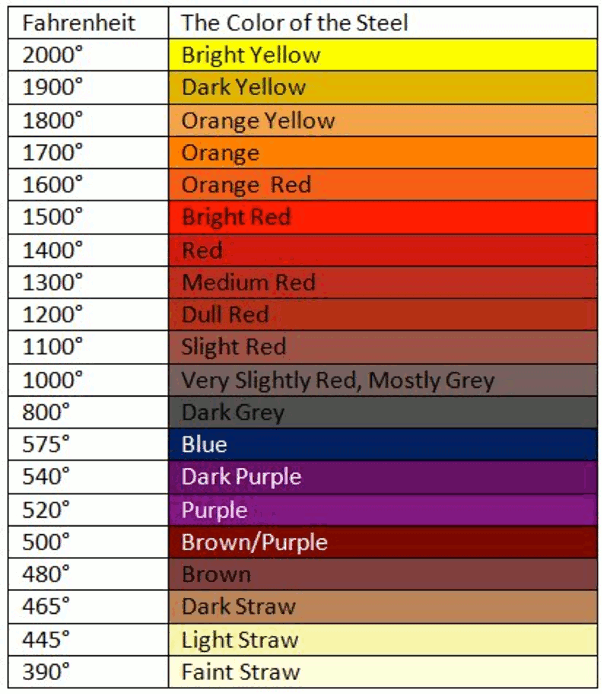
May I present for your informative pleasure… The color of steel at different temperatures.
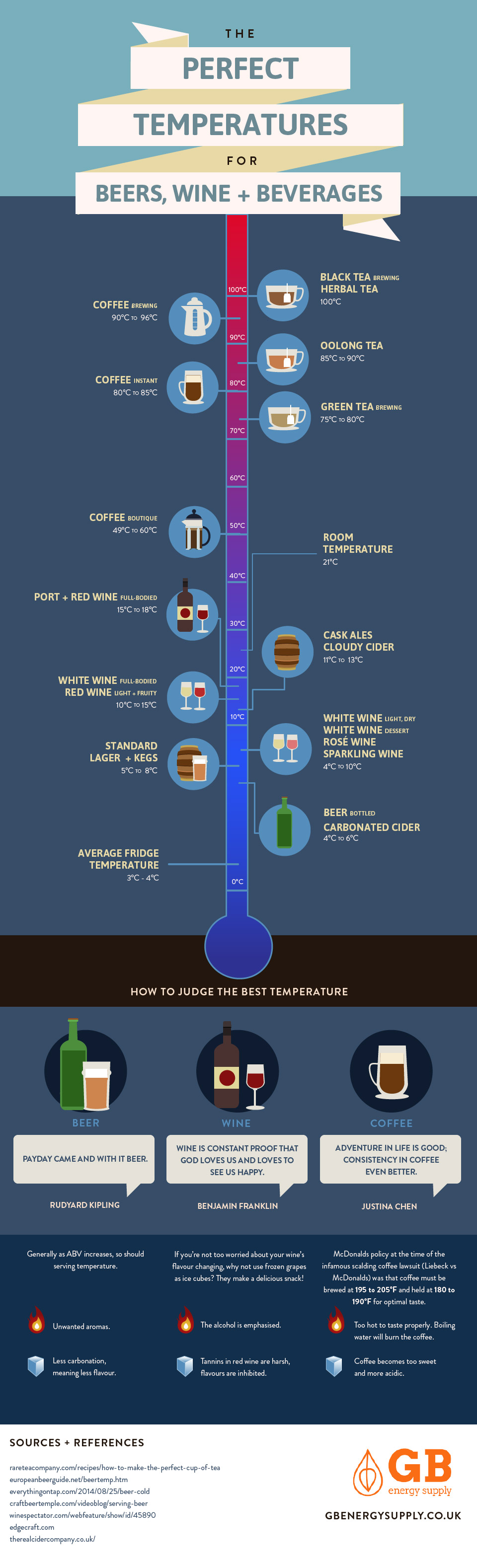
The perfect temperatures for beer, wine and beverages.
For many people, an ice-cold beer or glass of wine is the perfect accompaniment to a hot summer’s day. But while extremely chilled beverages might provide refreshment, they often don’t really provide much taste. This is because very low temperatures can actually stop your tongue working properly, diminishing the drink’s flavour. In fact, many people suspect that the very biggest brewers encourage you to drink their beers at extremely low temperatures because they don’t want you to taste it properly.
If you’d rather enjoy your beer or wine as the brewer or winemaker intended, our guide to the perfect temperatures for beers and beverages is just what you need. Teetotal? Not to worry, our guide also covers tea and coffee!
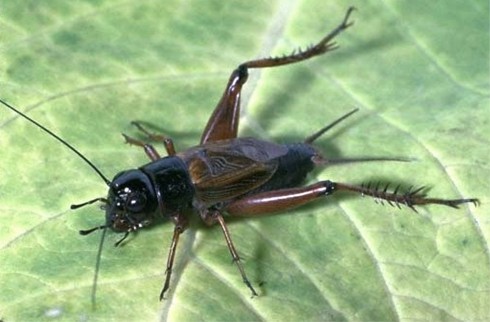
Did you know that you can tell the temperature by counting the chirps of a cricket? It’s true!
Here’s the formula:
To convert cricket chirps to degrees Fahrenheit, count number of chirps in 14 seconds then add 40 to get temperature.
Example: 30 chirps + 40 = 70° F
To convert cricket chirps to degrees Celsius, count number of chirps in 25 seconds, divide by 3, then add 4 to get temperature.
Example: 48 chirps /(divided by) 3 + 4 = 20° C