Mar 102026
 

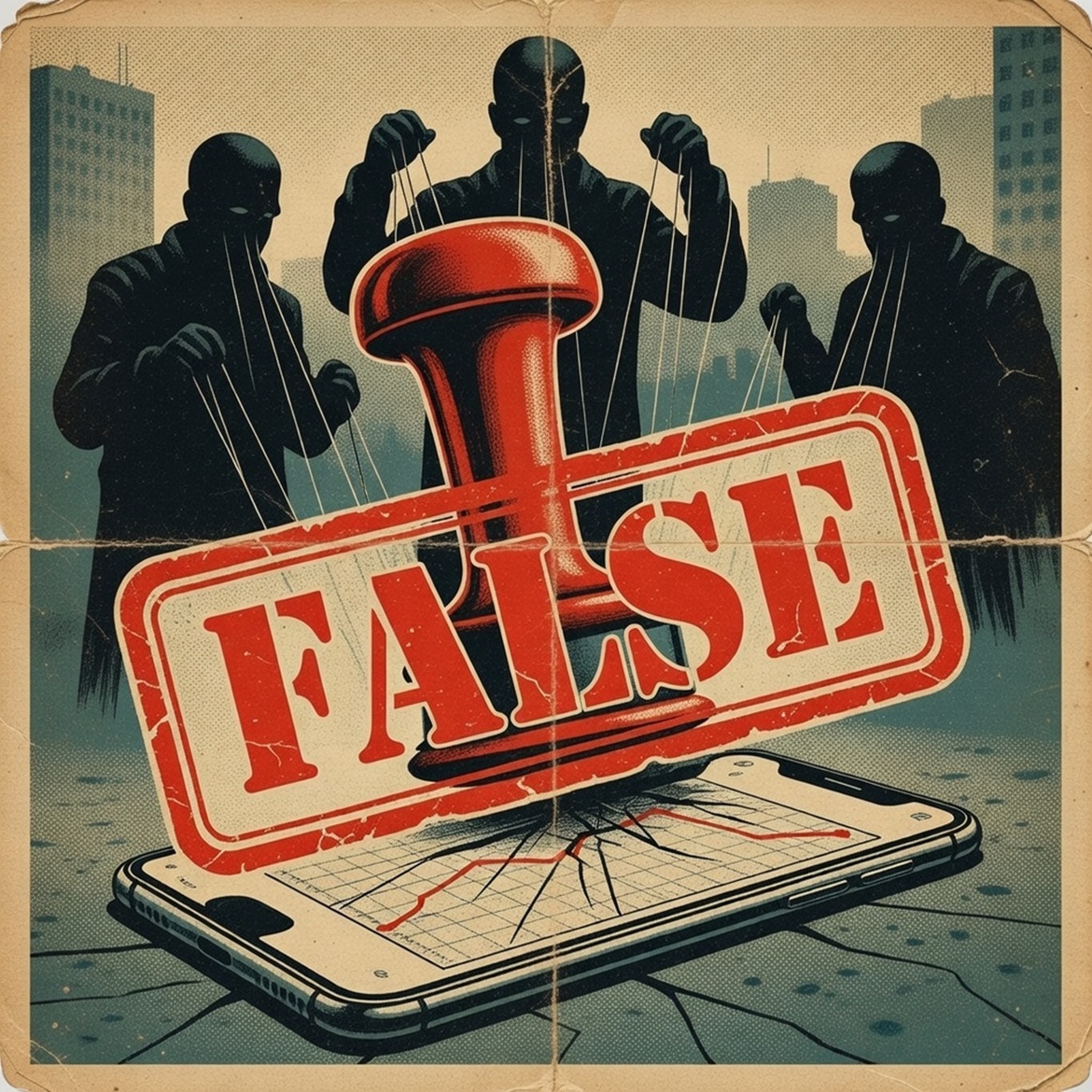
Uncover the rise of Propaganda 2.0: how fact-checkers, big funding, and tech partnerships turned into tools of narrative control.

Imagine scrolling through your social media feed and spotting a post that questions a major news story. Before you can even think about it, a label pops up: “False information. See why.” You click, and it leads to a fact-checking site that dismisses the whole thing. But have you ever stopped to wonder who decides what’s true and what’s not? In today’s world, fact-checkers hold that power, and it’s worth asking if they’re really neutral referees or something more sinister.

In a time when information flows faster than ever, the guardians of truth might not be as impartial as they claim.

Fact-checkers started with good intentions, but they’ve evolved into tools that shape public opinion in ways that benefit those in charge. This article dives into their rise, how they work, their hidden connections, real-world examples, and steps you can take to see through the noise.

The Origins of Modern Fact-Checking

Fact-checking as we know it kicked off in the early 2000s, around the time the internet exploded with blogs and forums. Back then, it was about verifying claims from politicians and media outlets. Sites like Snopes focused on urban legends, while others tackled election speeches. It seemed straightforward: check the facts, report the truth.

But things changed fast. By the 2010s, social media giants like Facebook and Twitter faced pressure to curb what they called misinformation. Governments and big organizations pushed for more oversight. Enter the fact-checkers, now partnering with tech companies to flag content. These partnerships gave them huge reach. Suddenly, a single fact-check could bury a story or boost another.

Take the International Fact-Checking Network, launched in 2015. It sets standards for fact-checkers worldwide. Sounds noble, right? Yet, many of its members get funding from sources tied to powerful interests. This shift turned fact-checking from a niche service into a gatekeeper for what billions see online.

Details matter here. Fact-checkers use methods like cross-referencing sources, but they often rely on official statements from governments or experts aligned with them. If a claim challenges the status quo, it gets scrutinized harder. Over time, this has created a system where alternative views struggle to gain traction.

How Fact-Checkers Shape the Narrative

At their core, fact-checkers rate claims as true, false, or somewhere in between. They publish articles explaining their verdicts, complete with sources. Social platforms then use these ratings to demote or remove posts. It’s efficient, but it raises questions about bias.

Consider the process. A fact-checker picks a claim, researches it, and assigns a label. But who chooses which claims to check? Often, it’s the ones that go viral and challenge mainstream views. This selective focus means some stories get amplified while others fade away.

When fact-checkers decide what’s worth verifying, they control the conversation without you even noticing.

Moreover, their explanations can be persuasive. They use simple language, bullet points, and links to build trust. But dig deeper, and you might find they cite sources from the same circle of experts or officials. If a government agency says something, it’s treated as gospel. Challenge that agency, and your fact-check might lean against you.

In practice, this creates echo chambers. People see fact-checked content that aligns with what leaders want. It’s not overt censorship; it’s subtle steering. And with algorithms favoring “reliable” sources, the effect multiplies.

The Hidden Ties to Power

Now, let’s look at who’s behind the curtain. Many fact-checking organizations receive money from foundations, governments, and tech firms. For instance, some get grants from groups linked to billionaire philanthropists who influence policy. Others partner directly with platforms, earning fees for their work.

These connections aren’t always transparent. A fact-checker might claim independence, but their board members could have past roles in government or media conglomerates. This web of influence suggests fact-checking isn’t just about truth; it’s about protecting certain narratives.

Think about election seasons. Fact-checkers ramp up, often aligning with one side’s talking points. If a story embarrasses officials, it gets debunked quickly. But favorable claims might slide by with less rigor. This imbalance erodes trust in institutions that already face scrutiny.

Details on funding reveal more. Public records show donations from entities that lobby for regulations favoring big tech or specific policies. When fact-checkers depend on this money, their verdicts can reflect donor priorities. It’s a quiet way to wield power without direct orders.

Real-World Examples of Weaponized Fact-Checking

To see this in action, recall the early days of the pandemic. Claims about virus origins were labeled false if they pointed to a lab leak. Fact-checkers cited experts who dismissed it, but later evidence suggested it was plausible. Those initial labels stifled debate, letting official stories dominate.

Another case: social media posts questioning vaccine side effects. Fact-checkers flagged them as misleading, linking to health agency data. Yet, as more reports emerged, some concerns proved valid. The rush to debunk protected authorities but left people in the dark.

In high-stakes moments, fact-checkers can turn doubt into dismissal, shielding the powerful from accountability.

Election interference claims provide another example. In 2020, stories about voting irregularities got hit hard with false ratings. Fact-checkers relied on official denials, but court cases later uncovered issues. This pattern shows how fact-checking can preempt investigations.

Even everyday topics feel the impact. Environmental debates, economic policies, you name it. If a view opposes government agendas, it faces uphill battles. These examples highlight a system where fact-checkers act as enforcers, not neutrals.

Breaking Free: What You Can Do Right Now

You don’t have to accept this at face value. Start by diversifying your sources. Read beyond the mainstream; seek out independent journalists who show their work. When you see a fact-check, check the fact-checker. Look at their funding, past verdicts, and who they cite.

Develop your own verification skills. Cross-reference claims with multiple outlets, including those from different perspectives. Tools like search engines help, but avoid relying solely on platforms that partner with fact-checkers.

Empower yourself by questioning the gatekeepers; true knowledge comes from active seeking, not passive acceptance.

Join communities that discuss these issues openly. Forums and newsletters offer spaces free from heavy moderation. Share what you find, but always back it up with evidence.

Finally, support transparency. Demand that fact-checkers disclose all ties and methods. Push for reforms that ensure balance. By taking these steps, you reclaim control over what you believe.

In the end, fact-checkers promised clarity in a chaotic world, but they’ve become part of the chaos. They wield influence that shapes minds and policies, often in ways that favor those at the top. Stay vigilant, question everything, and seek the full picture. Your awareness is the best defense against this modern propaganda. What will you uncover next?

Feb 242026
 

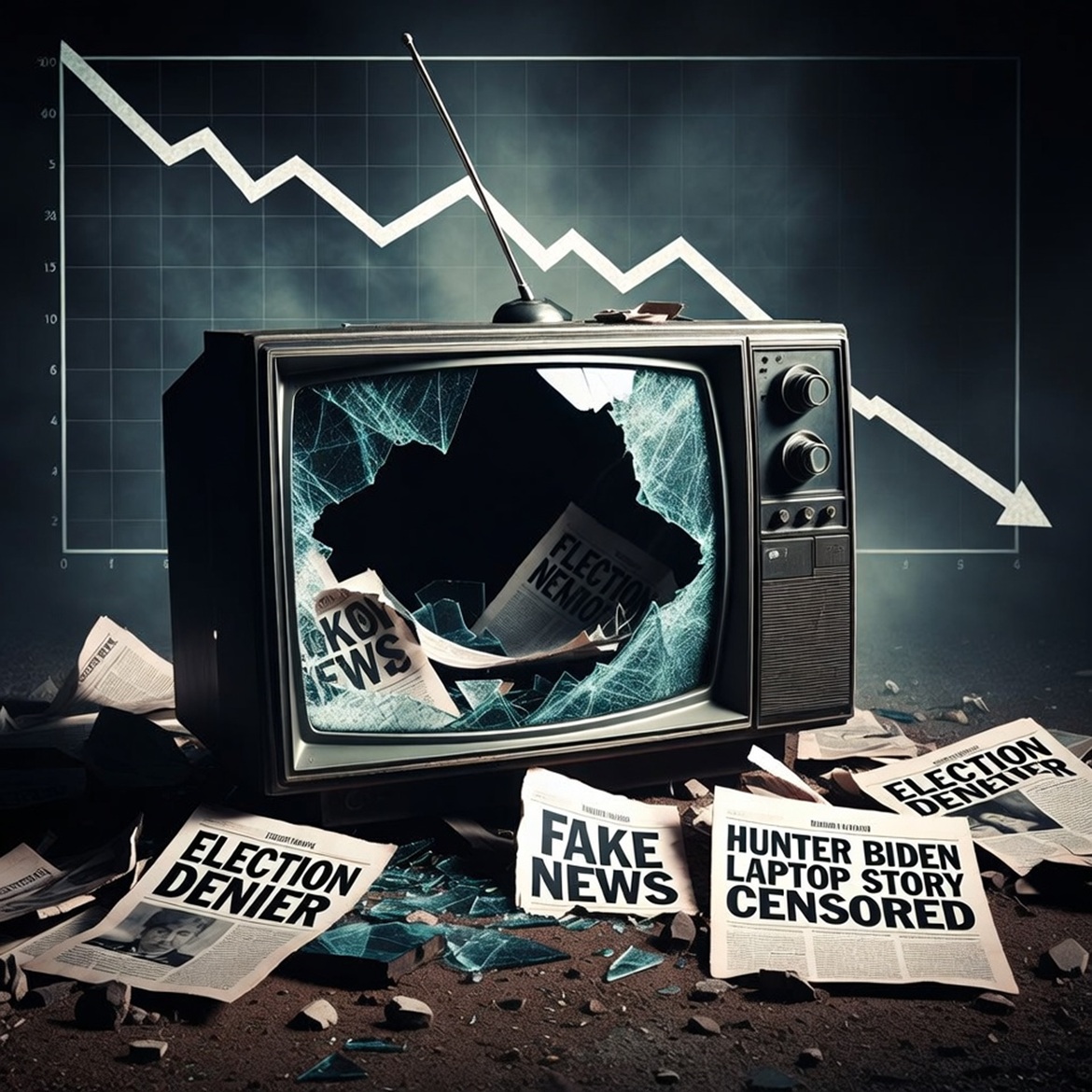
Record-low trust in media: Hunter Biden's Laptop cover-up helped Biden win 2020,

The endless stream of one-sided stories isn’t just annoying. It’s actively reshaping what you believe, what you fear, and how you live your life.

Wake up every morning, flip on the TV or open your phone, and what do you see? The same handful of networks and outlets repeating the same lines. They frame every issue to fit a narrow view that always points in one direction: more central control, more open borders, and more power handed to international groups and progressive causes. This isn’t sloppy reporting. It’s a coordinated push. And the longer it goes unchecked, the more it damages everything we value – truth, freedom, and our ability to make decisions based on reality.

You already sense it. Recent polls show trust in these big media sources has hit rock bottom. In late 2025, Gallup found only 28% of Americans trust newspapers, TV, and radio to report the news fully, accurately, and fairly – the lowest on record. Republicans are at just 8%. Even many Democrats and independents are pulling away. When most people no longer believe what they’re told, something has broken badly.

This didn’t start yesterday. It built slowly. But now it’s out in the open, and ignoring it means letting others control the narrative – and your future.

The Relentless Machine of Spin

These outlets used to chase stories. Now they chase agendas. Ratings matter, sure, but influence matters more. They turn small events into national emergencies if it fits the script. They downplay or ignore massive problems if it doesn’t.

Look at how they handle global policies. Trade deals, climate agreements, migration pacts – these get sold as unstoppable progress. The winners? Multinational corporations and elite institutions. The losers? Working families seeing jobs shipped overseas, or communities strained by unchecked influxes. Those downsides rarely make the cut. Instead, you get glowing reports on “global cooperation” that really means decisions made far from your vote.

Political coverage follows the same playbook. One party’s missteps dominate the cycle for weeks. The other’s get quick mentions or vanish entirely. Scandals that could hurt the preferred side fade away. This creates a warped picture where only certain ideas seem valid. It’s not balance. It’s engineering consent.

The goal isn’t to inform you. It’s to guide you toward conclusions that serve the powerful.

Burying the Hunter Biden Laptop Story to Protect Joe Biden in 2020

One of the clearest examples came right before the 2020 election. The New York Post published explosive details from Hunter Biden’s abandoned laptop – emails and records suggesting foreign business dealings that could tie back to his father. This wasn’t minor gossip. It raised serious questions about potential corruption and influence.

Yet mainstream outlets barely touched it. Many dismissed it outright as “Russian disinformation.” Social media platforms blocked shares of the story, limiting its reach massively in the final weeks of the campaign. Former intelligence officials – more than 50 of them – signed a letter claiming it had “all the classic earmarks” of a Russian operation, even though they admitted they hadn’t seen the evidence. Joe Biden himself referenced that letter in debates to shut down questions.

Later revelations showed the laptop’s contents were authentic. Investigations confirmed it wasn’t fabricated. Polls from around that time suggested that if voters had full access to the real story – not the suppressed version – many would have reconsidered their votes. One survey found nearly 80% of those following it believed the truth could have swung the election toward Trump. The media’s quick dismissal and the platforms’ censorship helped bury a story that could have changed everything for Joe Biden’s chances.

This wasn’t cautious journalism. It was active suppression timed perfectly to shield one side right when it mattered most.

Labeling Anyone Who Questions the 2020 Election as “Election Deniers”

The same pattern repeats with doubts about the 2020 election itself. If you raise legitimate questions – about mail-in voting changes, ballot counting procedures, or unusual patterns in key states – you’re instantly branded an “election denier.” Mainstream coverage slaps that label on anyone who doesn’t accept the official line without hesitation.

Outlets run headlines calling candidates, voters, or even elected officials “deniers” if they express skepticism. They tie it to threats against democracy, often without digging into specific concerns. This shuts down discussion fast. It paints millions of people – including those with honest questions backed by affidavits, data discrepancies, or court filings – as dangerous extremists.

The term “election denier” has become a weapon. It equates asking for transparency with rejecting democracy entirely. Meanwhile, real issues get dismissed as conspiracy talk. This labeling tactic protects the narrative and silences debate. It makes people afraid to speak up, knowing they’ll face ridicule or worse from the very outlets supposed to inform them.

When questions get labeled as denial, real scrutiny dies – and so does trust.

What They Choose to Bury Beyond That

The real damage comes from what’s missing across the board. Stories that challenge the approved line simply don’t air. Government overreach? Corporate corruption tied to elite interests? Failed policies that hurt regular people? These get minimal attention or none.

Health crises offer a clear example. Official positions get amplified without tough questions. Dissenting experts get dismissed or silenced. Economic reports focus on headline numbers while ignoring how inflation crushes savings or how certain regulations kill small businesses.

Environmental coverage pushes hard for international rules and green mandates. The human cost – higher energy bills, lost jobs in rural areas, impacts on everyday life – stays in the shadows. This selective focus isn’t accidental. It protects a vision where more authority flows upward, away from local control.

By hiding these angles, the media decides what you worry about and what you accept as inevitable. You end up reacting to a filtered version of the world, not the full one.

The Clear Push Toward Globalist and Progressive Priorities

Follow the thread, and it leads to one place: a worldview that favors centralized power, weakened national borders, and progressive social changes. Immigration stories highlight compassion but skip resource strains or security risks. Trade pacts get praised for growth, while factory towns’ collapse gets a footnote.

Elections show the slant plainly. Interviews soften for one side. Opponents face relentless grilling. This isn’t neutral ground. It’s a platform advancing ideas that align with global elites – think big tech, international organizations, and left-leaning politics.

The pattern repeats across topics. Climate action means more regulations. Health policy means more government involvement. Economic fixes mean more intervention. Individual choice and national priorities take a back seat. The media doesn’t just report this vision. It sells it aggressively.

You’re not getting news. You’re getting a sales pitch for a future most people didn’t ask for.

The Heavy Price We’re All Paying

This constant manipulation fractures society. Families split over what’s true. Neighbors distrust each other. People tune out entirely because nothing feels real anymore. Voter turnout drops. Engagement fades. A disconnected public becomes easier to steer.

Fear sells too. Endless crisis coverage keeps people anxious and compliant. Solutions always involve handing over more control – to governments, to global bodies, to experts who rarely face consequences.

Mental strain builds. Constant alarm wears you down. Division deepens. And trust? It’s shattered. When institutions lie by omission or spin, people stop believing anything.

But cracks appear. More folks seek independent sources. They cross-check. They question. Awareness spreads.

Steps You Can Take Right Now to Fight Back

Don’t wait for change from above. Start where you stand.

Diversify your sources aggressively. Pull from outlets across the spectrum. Compare coverage side by side. You’ll spot the omissions fast.

Dig deeper on every big story. Ask: What’s missing? Who benefits from this framing? Check primary documents, not just headlines.

Support voices that prioritize facts over narrative. Subscribe. Share. Build a network of reliable information.

Call it out. Write to networks. Post publicly. Demand accountability. Numbers create pressure.

Talk to others calmly. Share what you’ve seen without attacking. Plant seeds. One conversation at a time, minds open.

The most powerful move? Decide you won’t be fed lies. Seek truth actively. When enough people do that, the propaganda loses its grip.

Reclaiming reality starts with refusing to swallow the script.

Mainstream media crossed a line long ago. Their nonstop push for a globalist, progressive narrative – while burying stories like Hunter Biden’s laptop and slapping “election denier” on anyone who questions 2020 – threatens the core of informed citizenship. But you hold the power to see through it. Stay sharp. Stay curious. Stay free. The truth is out there if you insist on finding it.

Why the Political Establishment Fears Ordinary Americans

 Conspiracy, Featured, Political  Comments Off on Why the Political Establishment Fears Ordinary Americans
Feb 032026
 

Discover the unspoken reason the Political Establishment fears everyday citizens. It's not what you think. The shift of power back to you.

Let’s start with a story you probably know.

For decades, the people who run things told you what to eat. They published official guidelines, shamed certain foods, and promoted others. They spoke with one voice, from the TV news to your doctor’s office.

Then something happened. Regular people started talking. They shared stories online. They did their own experiments. They ignored the official playbook and tried something different—cutting sugar, eating more fat, skipping meals. And a funny thing occurred: they got healthier. They lost weight they couldn’t shed for years. Their energy came back.

The establishment didn’t celebrate. They got nervous. They called these people dangerous. They tried to shut down the conversation.

Why?

Because a person who thinks for themselves is the single greatest threat to any centralized system of control. The political establishment isn’t afraid of the other party. They’re afraid of you waking up. Here’s why, broken down.


You Break Their Most Powerful Tool: The Story

Governments and their connected institutions don’t run on laws first. They run on stories. The story is everything.

The story is: “Only we have the expertise to handle this.” The story is: “This complex problem requires a complex solution that only we can provide.” The story is: “The world is a dangerous place, and you need us to protect you.”

This story is their operating system. It justifies their size, their power, their budget, and their existence.

An ordinary American who decides to question the story is like a computer virus. You look at your own life, your own community, your own results, and you see a mismatch. The story says you should be helpless without their program, yet you find strength on your own. The story says a certain path leads to success, yet you see that path leading to debt and dependency.

When you start trusting your own eyes more than their narrative, the entire framework begins to crack. They aren’t afraid of your anger. They’re afraid of your quiet, simple disbelief.

A person who stops listening is harder to control than a thousand angry protesters.


You Can Build Things They Can’t Control

Look at any major innovation of the last 20 years. The internet. Social media. Cryptocurrency. Independent publishing. Remote work.

Nearly every one started at the edges. It was a couple of people in a garage, or a coder working alone, or a writer starting a blog. It was ordinary people building tools that bypassed traditional gatekeepers.

The establishment thrives on being the middleman. The permission-slip issuer. The toll collector on the bridge of opportunity.

What happens when you build a new bridge? Their tollbooth becomes worthless. They fear the innate creativity and capability of regular people because they cannot regulate it, tax it easily, or stop it in its infancy. Your ability to build a business from your kitchen table, to reach an audience without a network TV contract, to learn a high-income skill for free online—it makes their old rulebook obsolete.

Your self-reliance is their kryptonite. A population that needs nothing from them is a population they cannot command.


You Expose the Reality of Dependency

This is the uncomfortable core of it all. A significant portion of political power is built on creating and managing dependency.

It’s a simple transaction, but they never say it out loud: We will provide for you, and in return, you will cede control to us. Your security for your sovereignty.

The ordinary American who chooses a different path—who gardens, who homeschools, who learns to fix their own things, who builds a local network, who saves in assets they can’t devalue—opts out of that transaction.

This is terrifying to them. Not because they’re evil cartoon villains, but because their entire model is based on a certain percentage of people staying in the system. When you opt out, you do two things. First, you show others it’s possible. Second, you drain their base of influence. A person who isn’t waiting for a check, a permit, or an approval is a person who speaks with a free voice.

They fear the example you set simply by living independently.


You Remember What They Want You to Forget

There’s a foundational American idea that’s been buried under layers of bureaucracy and fear. It’s the idea that authority flows from the people to the government. Not the other way around.

The political establishment works day and night to make you forget this. They use language that positions them as parents and you as children. They speak of “providing benefits,” “administering programs,” and “granting approvals.”

The ordinary American who rediscovers this founding idea is a profound threat. You start to see yourself not as a beneficiary or a subject, but as a shareholder. And a shareholder has a right to audit the books, question the management, and demand better performance.

When you begin to act like the owner of this country, they have no choice but to see you as a threat. You are claiming power they have come to see as theirs.

The most radical thing you can do today is to assume you are in charge of your own life.


What This Means For You Tomorrow

So, what do you do with this? Understanding their fear is not about paranoia. It’s about recognizing your own leverage.

First, audit your dependencies. Where are you relying on a distant, centralized system for something you could source locally, learn yourself, or do without? Start with one thing. Your food? Your information? Your income?

Second, build parallel systems. Invest in your community. Trade skills with neighbors. Support local businesses. Put your time and money into networks where you see and know the people in charge. This creates resilience no government program can match.

Finally, trust your own data. Your life is a collection of experiments. Did a policy make your town better or worse? Did a recommended diet improve your health? Your personal experience is valid data. Stop dismissing it because it doesn’t match the official report.

The political establishment fears the moment you look around and realize you don’t need their permission to live a good life. They fear the day you stop asking, “What are they going to do for me?” and start asking, “What do I choose to build for myself and my family?”

That shift, from a mindset of waiting to a mindset of building, is what changes history. It always has. It starts with you, ordinary and powerful, deciding to stop being afraid of them—and realizing, perhaps, that the fear has always flowed the other way.

A Villain and a Hero

 Featured, Political, View Point  Comments Off on A Villain and a Hero
Feb 022026
 

They give you the villain. They give you the hero. They choreograph the fight. You cheer, you rage, you pledge loyalty. Meanwhile, the real game plays out behind the curtain. And most citizens aren’t built to see it.


They give you the villain. They give you the hero. They choreograph the fight.

You cheer, you rage, you pledge loyalty.

Meanwhile, the real game plays out behind the curtain.

And most citizens aren’t built to see it.

Carbon Dioxide Brainwashing

 Featured, Political, View Point  Comments Off on Carbon Dioxide Brainwashing
Feb 012026
 

Imagine the brainwashing it took to convince carbon-based life forms that carbon dioxide is a threat to an environment dependent on carbon dioxide.


Imagine the brainwashing it took to convince carbon-based life forms that carbon dioxide is a threat to an environment dependent on carbon dioxide.