The mainstream media pumps out misinformation and disinformation in perfect unison every day — and somehow no one is ever held accountable.
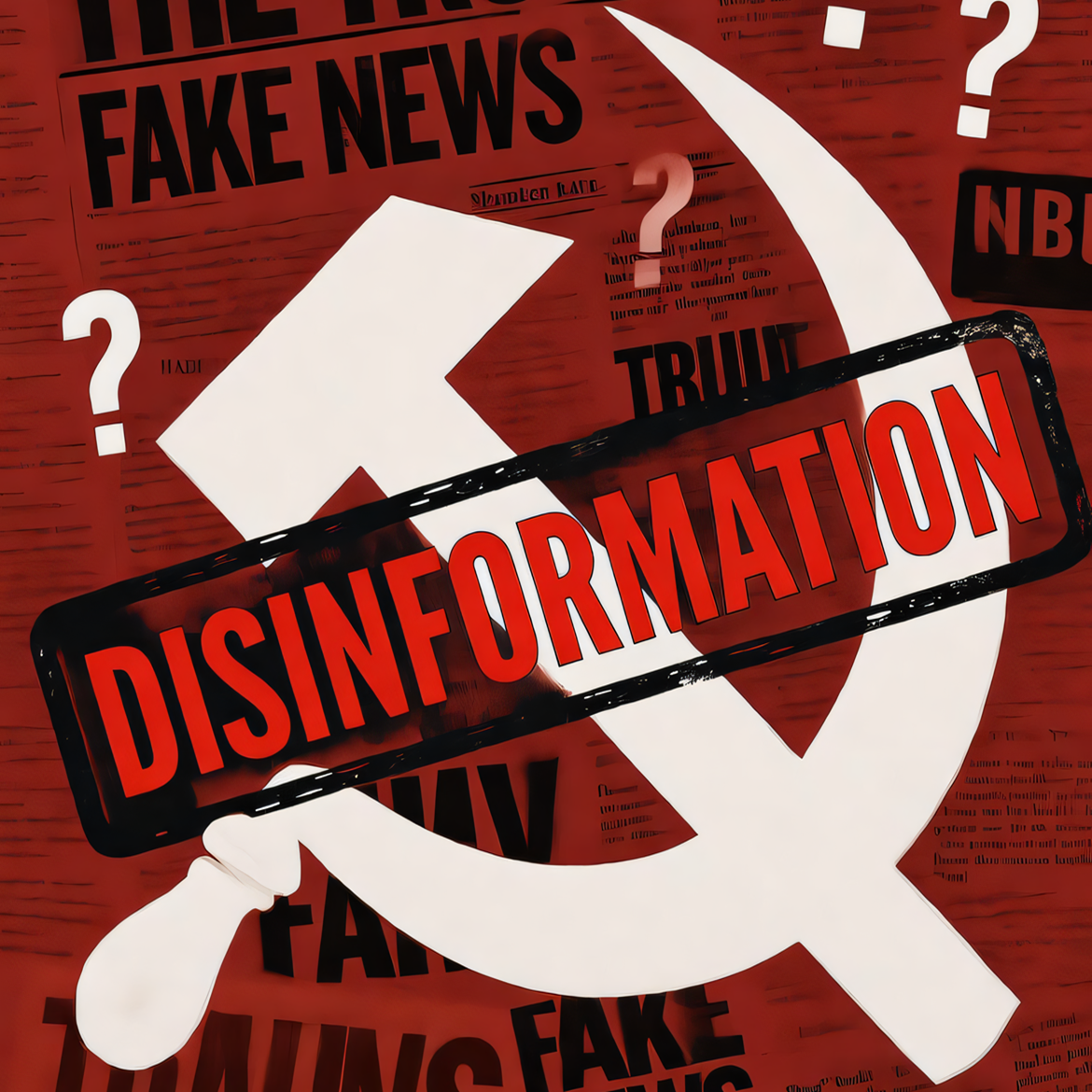
Think about the last time you had a strong opinion about a major news story.
Maybe it was about a virus, an election, or a foreign conflict. You went online, shared your view, and then it happened. Someone, possibly a journalist, perhaps a politician, maybe a random commenter, slapped a label on it.
Disinformation.
The word feels final. It sounds scientific, like a doctor’s diagnosis. Once it’s attached to an idea, the conversation is over. That idea is quarantined. The person who shared it is now suspect.
But have you ever stopped to wonder who gets to decide what ‘disinformation’ is? And more importantly, why this specific word exploded into our daily lives right when public trust was falling apart?
Let’s pull back the curtain.
Not long ago, we had simpler words for this sort of thing. We’d say something was a “lie,” which is straightforward and personal. Or we’d call it “propaganda,” a word that hints at a clumsy government effort. We might even say something was “misleading” or “not true.”
These words were clunky. They were too easy to challenge. Calling someone a liar starts a fight. Saying something is propaganda requires a lot of explaining.
What the people in charge needed was a cleaner, more powerful word. A word that did the work of silencing all by itself.
Disinformation.
It sounds technical. It sounds like something only experts with high-level security clearances can properly identify. It doesn’t accuse a person of lying; it frames their thoughts as a contagion. And what do you do with a contagion? You contain it. You eliminate it. You protect the public from it.
This wasn’t an accident. The word was chosen carefully. It moved the power from the people having the debate to the people who get to define the terms of the debate.
The goal was never just to correct the record. The goal was to own the record.
Suddenly, a whole class of “experts” appeared. They were the arbiters of truth. Their full-time job was to decide which ideas were safe for you to hear and which were dangerous ‘disinformation.’ They became the immune system for the body politic, and they decided what got treated as a virus.
Now, let’s talk about the machinery they built around this word: the fact-checking industry.
On the surface, it sounds wonderful. Who could be against facts? But watch the magician’s right hand so you don’t see what the left hand is doing.
The problem is rarely the fact itself. It’s the context that gets stripped away. A fact-checker can look at a statement, find one technically inaccurate detail, and brand the entire argument as ‘disinformation.’ The core truth of the argument is drowned out by a single, minor error.
More importantly, these fact-checkers are not robots. They are people who work for large, powerful institutions. These institutions have relationships with governments and billion-dollar corporations. They have advertisers. They have political preferences.
Do you really believe they are neutral?
Think about the last major story that was labeled ‘disinformation’ only to be quietly confirmed as true months later. The pattern is always the same:
By the time the truth comes out, the public has moved on. The damage is done. The goal was never to be right; the goal was to control the narrative during the critical window when public opinion was being formed.
This isn’t about truth. It’s about control.
This is where the strategy becomes truly brilliant. They successfully merged the idea of ‘disinformation’ with national security.
A question about vaccine side effects is no longer a medical debate; it’s a threat to public health.
A question about election integrity is no longer a political concern; it’s an attack on democracy itself.
By framing certain ideas as security threats, they give themselves permission to use extraordinary power. They can pressure social media companies to remove content. They can suggest that dissenting voices should be de-banked or de-platformed. All in the name of protecting you.
Ask yourself: when has a powerful group ever asked for more control to protect you, and that actually worked out in your favor?
History tells a different story. The most common reason given for taking away rights is always, always, for your own safety. It’s a classic playbook. Create a monster, then present yourself as the only one who can slay it.
They created the ‘disinformation’ monster. Now they demand more power to fight it.
So, what can you do? How do you opt out of a system designed to make you doubt your own mind?
The solution isn’t to find a new set of ‘approved’ experts to follow. The solution is to rebuild your own mental framework for processing information.
Here is a simple way to start:
1. Follow the Silence. Pay close attention to what is not being discussed. The stories the mainstream news ignores are often more important than the ones they scream about. Their silence is a signal.
2. Question the Labellers. When you see a story labeled ‘disinformation,’ don’t just accept it. Ask: Who is doing the labeling? What organizations do they work for? What do they have to gain by having this idea discredited? Follow the money. Follow the power.
3. Seek Primary Sources. The truth is often buried in boring, raw data. Instead of reading a news article about a government report, try to find the actual report. Look at the raw numbers. Listen to the full, unedited speech, not the 10-second clip they play on a loop. It takes more work, but it’s the only way to see what’s really there.
4. Trust Your Pattern Recognition. You are not stupid. You have a lifetime of experience. When you see a pattern—like stories being labeled false and then later proven true—trust that instinct. They call this “anecdotal,” but it’s just basic observation. Your brain is the best fact-checker you will ever have.
The word ‘disinformation’ is a tool. It was built in a workshop you were never invited to. Its purpose is to make you stop thinking and start obeying.
Don’t let it.
The next time someone tries to use that word to end a conversation, see it for what it is: a sign that you are asking the right questions. That you are getting close to something they don’t want you to see.
Keep asking. Keep digging. And never, ever let them do your thinking for you.
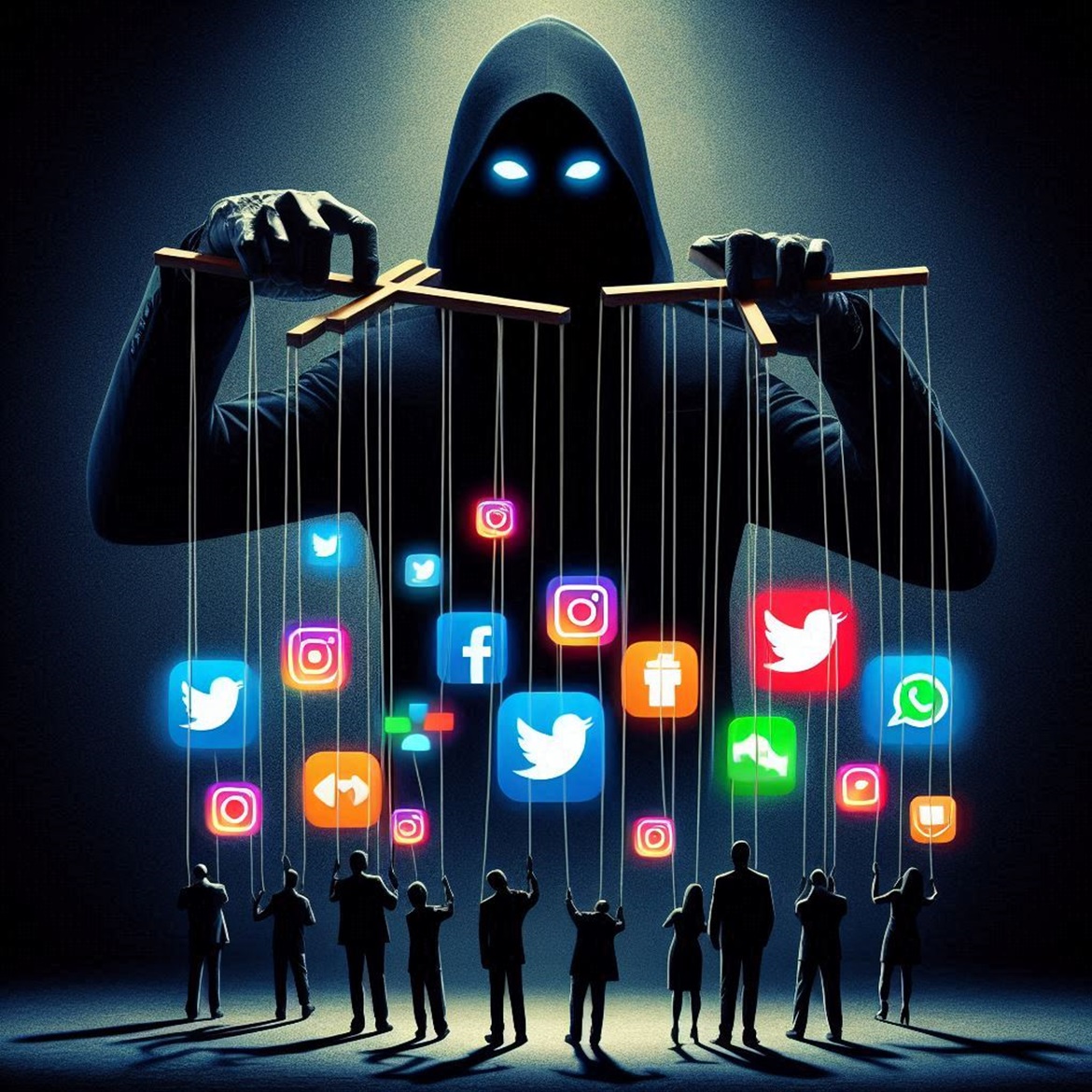
When it comes to the relationship between the government and the public, transparency is a word often touted but rarely practiced. The modern age has brought with it an unprecedented level of scrutiny from citizens who, equipped with the tools of the internet, seek to hold their leaders accountable. Yet, as these legitimate inquiries grow, so too does a shadowy presence of misinformation and disinformation. This begs the question: is the government deliberately spreading disinformation to discredit those who seek the truth about its activities?
Disinformation, unlike misinformation, is the deliberate creation and dissemination of false information. The goal is to mislead, confuse, and ultimately undermine trust in factual data. Throughout history, various governments have employed disinformation as a tool of control and manipulation. From the propaganda machines of totalitarian regimes to the subtle machinations of democratic administrations, the tactic remains eerily consistent: obscure the truth by flooding the information space with lies.
In recent years, there have been numerous cases where individuals and groups raising valid concerns about government actions have found themselves targets of smear campaigns, fake news, and misleading narratives. These tactics often paint these inquisitors as crackpots, fringe elements, or even threats to national security.
To understand whether this is a contemporary phenomenon or part of a long-standing tradition, we can look to history for examples. During the civil rights movement, the FBI’s COINTELPRO operations aimed to surveil, infiltrate, and discredit political organizations. These operations didn’t just target fringe groups; they also went after civil rights leaders like Martin Luther King Jr., spreading disinformation to tarnish reputations and sow discord.
Fast-forward to the present day, and the methods of spreading disinformation have become more sophisticated. With the advent of social media, the speed and reach of false information have increased exponentially. Bot accounts, fake profiles, and algorithmic manipulation can amplify misleading content, making it appear far more prevalent and legitimate than it truly is.
For instance, when individuals or groups raise questions about government surveillance programs, they may suddenly find a barrage of conflicting information. Some articles might falsely claim that these surveillance programs don’t exist, while others might exaggerate the facts to ridiculous extents. This creates confusion and makes it difficult for the average person to discern the truth.
Mainstream media, often seen as the fourth estate, has the power to shape public perception. However, its relationship with the government can be complex. At times, media outlets may unwittingly become conduits for disinformation. Whether due to lack of investigative rigor, reliance on official sources, or pressures from powerful stakeholders, media narratives can sometimes align more with governmental interests than with the pursuit of truth.
A glaring example is the run-up to the Iraq War in 2003. Many major news outlets reported on the existence of weapons of mass destruction (WMDs) based on government sources. It was later revealed that these claims were either exaggerated or entirely fabricated. This not only led to a devastating conflict, but also significantly damaged the credibility of both the media and the government.
Another example is how the government and media refer to anyone questioning the 2020 election results as proponents of “The Big Lie.” By labeling these inquiries in such a manner, they can discredit legitimate concerns and discourage further investigation.
So why would the government engage in such tactics? One reason is to maintain control over public perception. When faced with uncomfortable truths, deflecting or diluting the message can prevent mass outrage or resistance. Discrediting those who ask questions also serves as a deterrent to others who might consider doing the same. If you see someone being publicly ridiculed or discredited for their inquiries, you might think twice before voicing your own concerns.
Another reason is to protect sensitive information. Governments often argue that certain details need to be kept secret for national security reasons. However, this cloak of secrecy can be abused to cover up misconduct, corruption, or other unsavory activities. By spreading disinformation, authorities can create a smokescreen that hides their true actions from public scrutiny.
For the average citizen, navigating this minefield of disinformation is challenging but crucial. Critical thinking and media literacy are essential tools. Here are a few strategies:
While the notion that the government might spread disinformation to discredit legitimate inquiries is unsettling, it is not without historical precedent or contemporary examples. Understanding and recognizing these tactics is the first step toward fostering a more informed and vigilant public. By remaining critical, inquisitive, and discerning, citizens can better navigate the complex landscape of modern information and hold their leaders accountable.