The Science of Play: How to Keep Your Dog or Cat Mentally Stimulated

 Featured, Information  Comments Off on The Science of Play: How to Keep Your Dog or Cat Mentally Stimulated
Nov 152023
 

The importance of mental stimulation for pets and practical tips and games to keep their minds sharp, benefiting their overall well-being.
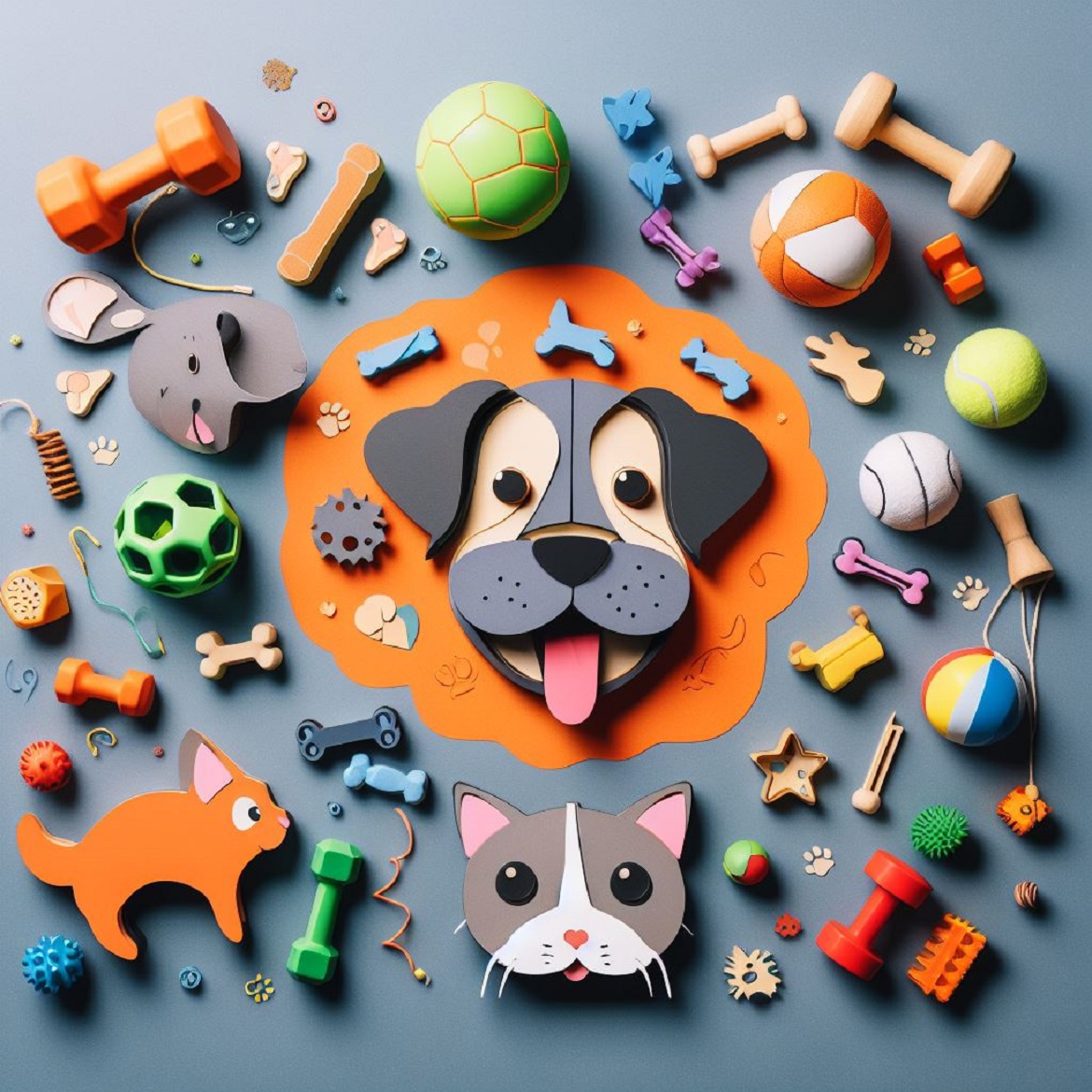
In our quest to better understand the needs and desires of our four-legged companions, we often overlook one essential aspect of their well-being – mental stimulation. Dogs and cats, just like humans, benefit greatly from mental challenges and play.

In our quest to better understand the needs and desires of our four-legged companions, we often overlook one essential aspect of their well-being – mental stimulation. Dogs and cats, just like humans, benefit greatly from mental challenges and play. In this article, we’ll look into the science of play and how it can keep your beloved pets mentally sharp. No need for complex jargon here, just simple and actionable advice.

The Importance of Play for Pets

Why is play so vital for our furry friends? Just like humans, dogs, and cats require mental exercise to stay happy and healthy. It’s not just about physical activity; their minds need a workout too. Here’s why play matters:

  1. Mental Stimulation: Play engages your pet’s brain. It encourages problem-solving, creativity, and memory. This mental exercise is essential for keeping their cognitive abilities sharp.
  2. Stress Reduction: Playtime is a stress reliever for pets. It helps reduce anxiety and boredom, leading to a happier and more relaxed furry friend.
  3. Bonding: Play strengthens the bond between you and your pet. It’s a fun way to connect, and it fosters trust and communication.
  4. Physical Exercise: While our focus is on mental stimulation, physical activity is a bonus. Active play keeps your pet in good shape and can prevent health issues.

The Science of Play

Let’s break down the science of play in simple terms. Play activates several areas of the brain and stimulates the release of important neurotransmitters, such as dopamine and endorphins.

Dopamine is responsible for pleasure and reward. When your pet successfully tackles a puzzle toy or catches a feather, their brain releases dopamine, making them feel happy and accomplished.

Endorphins are natural mood boosters. Playtime triggers their release, leading to a content and less anxious pet.

Engaging Your Dog

Now that we understand why play is essential, let’s explore how to engage your dog in playful activities that stimulate their mind.

  1. Puzzle Toys: These toys often contain hidden treats that your dog must work to release. It’s like a canine Rubik’s cube. As your dog figures out how to get the treats, their problem-solving skills get a good workout.
  2. Hide and Seek: Hide a favorite toy or treat in your home and encourage your dog to find it. This game taps into their natural scavenging instincts and sharpens their memory.
  3. Training Games: Basic obedience training sessions can be fun for your dog. Teach them new tricks or reinforce commands they already know. This mental exercise can be as satisfying for them as a game of fetch.
  4. Interactive Play: Play with your dog using toys like a tug-of-war rope or a flirt pole. This engages both their physical and mental faculties, as they strategize how to “win” the game.

Engaging Your Cat

Cats have their own set of preferences when it comes to play. Here’s how to keep your feline friend mentally stimulated.

  1. Interactive Toys: Cats love toys that mimic prey. Toys with feathers or moving parts can captivate your cat’s attention, simulating their natural hunting instincts.
  2. Cat Puzzles: Similar to puzzle toys for dogs, there are puzzles designed for cats. These can challenge your cat’s problem-solving abilities and keep them engaged.
  3. Paper Bags and Boxes: It’s amazing how something as simple as a paper bag or an empty box can be a source of endless entertainment for cats. They love to hide, pounce, and play inside these simple objects.
  4. Feather Wands: Cats are enchanted by feather wands that mimic the movement of birds. Swirling the feather wand in front of your cat encourages them to stalk and pounce, providing mental and physical exercise.

Scheduling Playtime

To ensure your pet gets the mental stimulation they need, it’s essential to incorporate regular playtime into their daily routine. Consistency is key. Dedicate a portion of your day to play with your furry friend. This could be before or after mealtime, or whenever your pet is most active.

For dogs, aim for at least 30 minutes to an hour of playtime each day. This duration can be divided into shorter sessions spread throughout the day.

Cats, on the other hand, thrive on shorter, more frequent play sessions. Try to engage your feline friend in interactive play for about 10–15 minutes, multiple times a day. Cats tend to have bursts of energy, so these shorter sessions align with their natural behavior.

Observe your pet’s cues. If they bring you their favorite toy or start acting restless, it’s a sign they’re ready to play. Pay attention to their individual preferences and energy levels.

Conclusion

In the pursuit of keeping our pets happy and healthy, it’s easy to overlook the power of play. Mental stimulation is a vital aspect of their well-being, and incorporating playful activities into their daily routine is a simple way to provide it.

Remember, the science of play is not reserved for humans alone. Dogs and cats also benefit from the release of dopamine and endorphins that play provides. So, grab your pet’s favorite toy, engage them in a stimulating game, and watch as their happiness and mental acuity flourish.

Your furry friend relies on you for their well-being, and the gift of play is one of the most precious you can give. In the end, it’s a win-win: they get mental stimulation, and you get a happy and content companion who cherishes every moment you spend together.

Get the Jigsaw Puzzle to go along with this post:

Like Cats and Dogs Extra — Jigsaw Puzzle



Finding Your Furry Friend: A Step-by-Step Guide to Choosing the Perfect Dog or Cat from an Animal Shelter

 Featured, Information  Comments Off on Finding Your Furry Friend: A Step-by-Step Guide to Choosing the Perfect Dog or Cat from an Animal Shelter
Oct 182023
 

In a world filled with options, picking out the right dog or cat from an animal shelter can be a daunting task. But fear not, my fellow animal lovers, for I've embarked on a quest to demystify this process for you.

In a world filled with options, picking out the right dog or cat from an animal shelter can be a daunting task. But fear not, my fellow animal lovers, for I’ve embarked on a quest to demystify this process for you. This guide will lead you through the process of discovering your ideal four-legged companion, all while keeping it simple and straightforward.

Step 1: Do Your Homework

Before you even set foot in an animal shelter, it’s crucial to do your homework. Start by assessing your own lifestyle. Consider your daily routine, living situation, and activity level. Are you an avid hiker or more of a binge streaming and chill type? Do you live in a cozy apartment or a spacious house with a yard? Your pet’s needs should align with your lifestyle.

Next, research different breeds or cat personalities. While individual animals vary, breeds often have specific traits. If you’re looking at dogs, some are known for their high energy levels, while others are more laid-back. Cats can be independent or affectionate, and knowing your preference can make a world of difference.

Step 2: Visit the Shelter

With your homework done, it’s time for a field trip. Head to your local animal shelter with an open heart and a blank slate. Resist the temptation to judge a book by its cover, or in this case, a pet by its appearance. Be ready to interact with a variety of animals, regardless of their size, color, or age.

Step 3: Observe Their Behavior

This step is the heart of the matter. Pay close attention to how the animals interact with you. Spend time in their presence, letting them come to you at their own pace. Here are some key behaviors to watch for:

  1. Tail Wagging or Purring: Dogs that wag their tails or cats that purr when you approach them are often open to social interaction. These are positive signs that the animal may be friendly and affectionate.
  2. Playfulness: Engage in some playtime with the animals. Dogs might fetch a ball or play tug-of-war, while cats might chase a feather toy. Playfulness can be a good indicator of an animal’s energy level and willingness to bond with you.
  3. Body Language: Look at the animal’s body language. A relaxed posture, such as a loose tail and open body, suggests comfort and trust. Conversely, a tense or crouched posture might indicate fear or anxiety.
  4. Interest in You: Some animals will show a genuine interest in you. They may approach, nuzzle, or even lick you. This can be a strong signal that the animal is looking for companionship.
  5. Response to Touch: Gently pet the animal and observe their response. Most animals will enjoy being petted, but be aware of any signs of discomfort, such as growling or recoiling.

Step 4: Ask Questions

Don’t hesitate to ask the shelter staff for information about the animals you’re interested in. They can provide valuable insights into an animal’s history, temperament, and special needs. Be sure to inquire about any medical issues or behavioral challenges the animal may have.

Step 5: Spend Quality Time

Take your time during the visit. Building a connection with an animal is a process that can’t be rushed. If you’re leaning towards a particular dog or cat, consider spending multiple visits together. This allows you to see if your bond deepens and if the animal consistently shows positive behaviors towards you.

Step 6: Consider Compatibility

Compatibility is key. If you already have other pets, arrange for a meet-and-greet at the shelter to ensure they get along. If you have children, choose an animal that is known to be good with kids. Think about your long-term plans, too, and how your potential new furry friend fits into them.

Step 7: Sleep on It

Before making a final decision, take a night to sleep on it. This decision is a long-term commitment, so it’s crucial to be sure you’ve found the right match. Consider how you felt during and after your interactions with the animal. Does your gut tell you this is the one?

Step 8: The Adoption Process

Congratulations, you’ve found your furry soulmate! Now, it’s time to complete the adoption process. Be prepared to fill out paperwork and pay any adoption fees. Ensure you have all the supplies you need, including food, a bed, toys, and grooming supplies.

Step 9: Welcome Home

Bringing your new pet home is an exciting moment, but it can also be overwhelming for them. Make the transition as smooth as possible by providing a safe, comfortable environment. Follow any advice or instructions provided by the shelter regarding feeding, training, and socialization.

Step 10: Bond and Nurture

Building a strong bond with your new dog or cat takes time and patience. Spend quality time together, engage in positive training techniques, and shower them with love and affection. Remember that adoption is a lifelong commitment, and your furry friend will reward you with loyalty and companionship.

In conclusion, finding the perfect dog or cat from an animal shelter is a journey worth embarking on. By doing your homework, observing behavior, and considering compatibility, you’ll increase your chances of finding a furry companion who will enrich your life in countless ways. Remember, the right pet is out there waiting for you, and with a little patience and love, you can give them a forever home they’ll cherish. So go forth and find your perfect match – your new adventure awaits!


The Secret Language of Cats: Understanding Affection Through Their Eyes

 Featured, Information  Comments Off on The Secret Language of Cats: Understanding Affection Through Their Eyes
Oct 042023
 

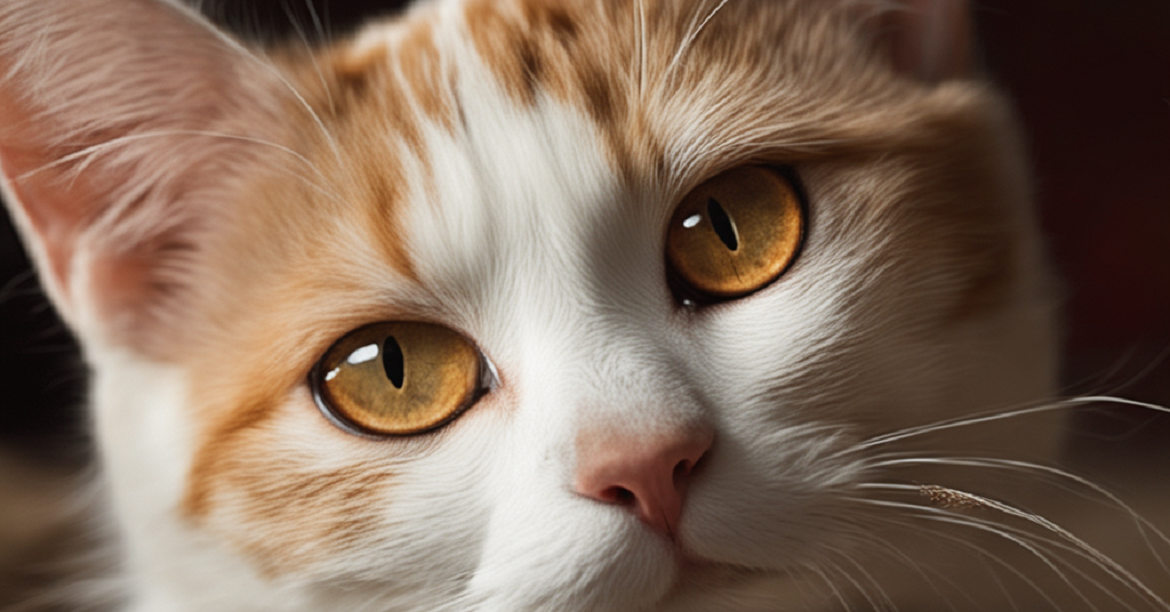
The Secret Language of Cats; In the world of cats, communication can be subtle and puzzling. Understanding their signals and cues is like deciphering a secret code. But rest assured, that gentle stare and those languid blinks are often their way of saying, “I love you.” Let's dive into this intriguing topic and explore the fascinating ways your feline friend shows affection.

You’re lounging on the couch, engrossed in your favorite book, when you suddenly feel a pair of eyes fixated on you. You glance over to find your feline companion, whiskers twitching, sitting nearby with a soft, almost mesmerizing expression, and those slow-blinking eyes locked onto yours. What does it all mean? Is your cat trying to tell you something?

In the world of cats, communication can be subtle and puzzling. Understanding their signals and cues is like deciphering a secret code. But rest assured, that gentle stare and those languid blinks are often their way of saying, “I love you.” Let’s dive into this intriguing topic and explore the fascinating ways your feline friend shows affection.

The Soft Stare: More Than Meets the Eye

When your cat fixes its gaze on you with a soft, unblinking stare, it’s like receiving a secret message of affection. This prolonged eye contact is a sign of trust. In the wild, cats maintain eye contact with their mothers when they’re nursing, and as a pet owner, you’ve become an important part of your cat’s family.

The soft stare is different from an intense or threatening gaze. A cat that’s upset or anxious will have dilated pupils and a more rigid posture. In contrast, the soft stare is accompanied by a relaxed body language, indicating a sense of comfort and security. It’s your cat’s way of saying, “You’re my safe haven.”

The Art of Slow Blinking: Cat Kisses

Ever noticed your cat slowly closing and opening its eyes while looking at you? This is known as slow blinking or “cat kisses.” It’s a tender gesture that signifies deep trust and affection.

Cats typically blink slowly at their loved ones, both other cats and their human companions. When your cat engages in this slow-blinking behavior, it’s a sign that they consider you a part of their inner circle. Respond in kind by slowly blinking back at them. This reciprocal blinking can strengthen the bond between you and your feline friend.

Cats and Their Language of Love

Understanding your cat’s subtle expressions and cues is essential for building a strong bond. Here are a few more ways your cat might be expressing affection:

  1. Kneading: You might have noticed your cat rhythmically pushing and pulling its paws against your lap or a soft surface. This kneading behavior is a throwback to kittenhood when they kneaded their mother’s belly to stimulate milk flow. It’s a sign of contentment and love.
  2. Purring: Cats purr for various reasons, and one of them is to express happiness and contentment. If your cat purrs while snuggled up with you or during petting sessions, it’s a clear indicator of their affection.
  3. Bringing You “Gifts”: While it might be a bit unsettling to find a dead mouse or bird on your doorstep, your cat is actually trying to show you love. In the wild, mother cats bring back food for their kittens to teach them to hunt. So, when your cat presents you with its “catch,” they’re sharing their hunting success and demonstrating their bond.
  4. Following You Around: Cats are known for their independent nature, but if yours shadows your every move, it’s often a sign of affection and a desire to be close to you.
  5. Cuddling: Some cats are more overt in their affection and love to snuggle up with their owners. If your cat curls up on your lap or next to you on the couch, they’re expressing their love and trust.

The Importance of Reciprocity

As a cat owner, how can you reciprocate your feline friend’s affection? Here are some simple ways to strengthen the bond:

  1. Regular Playtime: Engage your cat in interactive play with toys like feather wands or laser pointers. Play helps release pent-up energy and builds a deeper connection.
  2. Gentle Petting: Many cats enjoy being petted, but it’s essential to respect their preferences. Pay attention to your cat’s body language, and if they show signs of discomfort, give them space.
  3. Healthy Treats: Treats are a great way to reinforce positive behavior and show your cat some extra love.
  4. Quality Time: Spend time with your cat, whether it’s lounging together on the couch, watching birds outside, or simply being in the same room. Cats value your presence.
  5. Create a Safe Environment: Ensure your home is a safe and comfortable place for your cat. Provide cozy spots, scratching posts, and plenty of hiding places.

In conclusion, decoding your cat’s affectionate signals, like the soft stare and slow blinking, is a fascinating journey into the mysterious world of feline communication. Remember that every cat is unique, and their expressions of love may vary. The key is to pay attention to your cat’s cues, respond with affection, and build a strong and loving bond that will bring joy to both you and your feline friend. So the next time your cat gives you that enchanting gaze, know that it’s their way of saying, “I love you.”


The Furry Truth: Why Dogs and Cats Tend to Choose Good People

 Featured, Information  Comments Off on The Furry Truth: Why Dogs and Cats Tend to Choose Good People
Sep 182023
 

In the grand tapestry of life, there are few things as pure and heartwarming as the unconditional love we receive from our furry companions – dogs and cats. Have you ever wondered why your four-legged friends seem to have a knack for discerning good people from the not-so-good ones?

In the grand tapestry of life, there are few things as pure and heartwarming as the unconditional love we receive from our furry companions – dogs and cats. Have you ever wondered why your four-legged friends seem to have a knack for discerning good people from the not-so-good ones? In this exploration, we’ll dive into the fascinating world of canine and feline intuition, investigating why dogs and cats tend to gravitate toward good-hearted souls.

The Power of Body Language

Imagine you’re meeting someone for the first time, and you instantly feel a sense of unease, despite their friendly words. Dogs and cats have a similar radar for picking up on subtle cues from humans. They pay close attention to body language, tone of voice, and facial expressions, which can reveal a lot about a person’s intentions.

Dogs, in particular, are masters at reading body language. Their acute observational skills have evolved over thousands of years of companionship with humans. A dog can often sense when someone is calm, kind, and trustworthy based on their relaxed posture and demeanor. On the flip side, if a person displays erratic movements or tense body language, a dog might become wary.

Cats, while more independent, are also highly attuned to body language. They may observe from a distance, evaluating whether a person’s movements are gentle or abrupt. Cats prefer people who move slowly and calmly, as these behaviors indicate a sense of security.

The Scent of Goodness

Another intriguing aspect of dogs and cats gravitating toward good people is the power of scent. Animals possess a highly developed sense of smell that allows them to detect emotions and pheromones. Good-hearted individuals typically emit calming pheromones associated with relaxation and happiness, making them more appealing to our furry friends.

Have you ever noticed how your dog nuzzles into your side when you’re feeling down? Dogs can detect changes in your scent due to stress or anxiety, and they respond with comforting gestures. Conversely, when they sense someone’s scent is associated with negative emotions or stress, they might become cautious or avoidant.

Cats, with their keen olfactory senses, can also pick up on these subtle scent changes. They’re drawn to the comforting aroma of a contented and happy person. The scent of stress or anger, on the other hand, may cause them to keep their distance.

Empathy: The Invisible Connection

Empathy, the ability to understand and share the feelings of another, is a trait that sets good people apart. Dogs and cats are remarkably skilled at recognizing empathy in humans. They can sense when someone genuinely cares for them and others, and they’re naturally drawn to these individuals.

Dogs are highly empathetic animals themselves. They can detect our emotions, such as sadness or joy, through our tone of voice and body language. When they feel loved and understood by a person, they reciprocate with loyalty and affection.

Cats, often misunderstood as aloof creatures, also possess a strong sense of empathy. They’re known to snuggle up to their humans when they’re feeling unwell or upset. Cats gravitate toward those who provide them with comfort and understanding.

The Power of Positive Reinforcement

Dogs and cats, like humans, respond to positive reinforcement. Good people tend to treat their pets with kindness, using rewards and affection to encourage good behavior. Dogs and cats quickly learn to associate these positive interactions with the people who provide them.

Dogs, in particular, thrive on positive reinforcement. They love to please their humans and are quick learners when rewarded with treats and praise. This creates a bond between good people and their dogs, as the pets come to see their owners as sources of joy and fulfillment.

Cats, while more independent, also respond well to positive reinforcement. They enjoy being pampered with treats and affection. When good-hearted individuals provide these rewards, cats are more likely to seek out their company.

A Note on Trust

Trust is the foundation of any strong relationship, and it’s no different for our animal companions. Dogs and cats tend to gravitate toward people they trust. Trust is built over time through consistent care, love, and attention.

Good people often excel at providing this trust-building environment. They are reliable, consistent, and dependable in their interactions with their pets. Dogs and cats thrive in such environments, leading to stronger bonds.

Closing Thoughts

In the enchanting world of dogs and cats, the ability to discern good people from not-so-good ones isn’t based on superficial judgments. Instead, it’s rooted in their remarkable capacity to read our body language, detect our emotions, and respond to empathy, positive reinforcement, and trust.

So, if you find yourself in the company of a furry friend who seems to adore you unconditionally, remember that your goodness shines through in more ways than you might think. In the eyes of your loyal companion, you are, without a doubt, one of the good ones.


The Mystical Science Behind Your Cat’s Purrfect Alarm Clock

 Featured, Information  Comments Off on The Mystical Science Behind Your Cat’s Purrfect Alarm Clock
Sep 082023
 

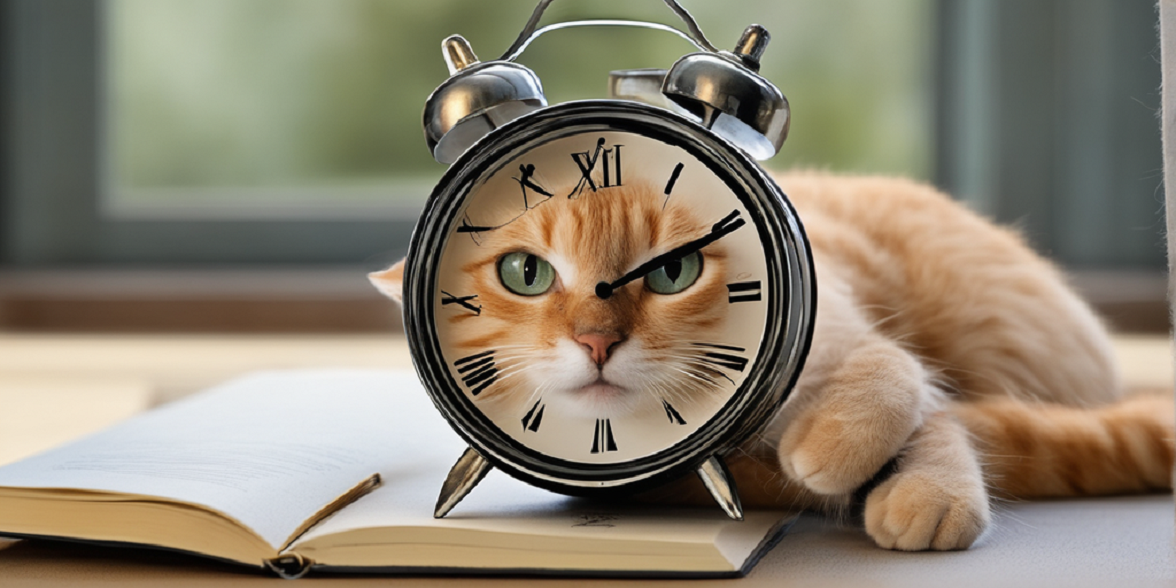
In the quiet hours of the morning, when the world is still cloaked in darkness, and your alarm clock is set to snooze for a few more precious minutes of sleep, you may find yourself abruptly awakened by a furry, four-legged friend. If you're a cat owner, you've likely experienced this phenomenon: your cat seems to possess an uncanny ability to wake you from slumber at the same exact time every day

In the quiet hours of the morning, when the world is still cloaked in darkness, and your alarm clock is set to snooze for a few more precious minutes of sleep, you may find yourself abruptly awakened by a furry, four-legged friend. If you’re a cat owner, you’ve likely experienced this phenomenon: your cat seems to possess an uncanny ability to wake you from slumber at the same exact time every day, demanding attention, food, or perhaps just some companionship. But have you ever wondered why your feline companion is so consistent in this wake-up call? In this article, we’ll explore the intriguing science behind why cats can be such reliable alarm clocks, even when we wish they weren’t.

The Instinctual Alarm Clock

Cats are natural hunters, and their internal clocks are finely tuned to their survival instincts. In the wild, they would wake up at the crack of dawn to stalk and hunt their prey. This instinctual behavior has been passed down through generations of domesticated cats.

Unlike humans, who rely on alarm clocks and schedules, cats rely on their internal circadian rhythms to guide their activities. These rhythms are regulated by a cluster of cells in their brains known as the suprachiasmatic nucleus (SCN). The SCN helps cats maintain a consistent sleep-wake cycle and is sensitive to changes in light and darkness.

The Power of Routine

Cats thrive on routine, and they quickly learn the schedules of their human companions. When your cat wakes you up at the same time every day, it’s likely because they’ve come to expect certain activities at that time. This could include feeding, playtime, or simply the comforting presence of their favorite human.

Cats are creatures of habit, and they find security in knowing what to expect. When they wake you up, they may be signaling that it’s time to stick to the routine they’ve come to rely on.

The Art of Communication

Cats are not only creatures of habit but also experts in communication. When your feline friend paws at your face or gently nuzzles you in the morning, they are sending a clear message: “It’s time to wake up and pay attention to me!” Cats are skilled at using body language and vocalizations to convey their needs and desires.

The Role of Hunger

Hunger can be a powerful motivator for cats. If your cat is accustomed to being fed at a specific time each morning, they may wake you up to ensure they don’t miss a meal. Cats have an incredible sense of timing when it comes to meals, and they won’t hesitate to let you know when it’s time to serve breakfast.

The Influence of Environmental Factors

Environmental factors, such as temperature and noise, can also play a role in your cat’s morning routine. If your cat is uncomfortable because the room is too hot or too cold, they may seek your attention to make necessary adjustments. Similarly, if there are loud or unusual noises outside, your cat may become alert and wake you up as a response to potential threats.

The Bond Between Human and Cat

The unique bond between humans and cats is built on trust, companionship, and affection. When your cat wakes you up in the morning, it’s not just about routine or instinct—it’s also a way for them to strengthen the connection they share with you. Cats often choose to wake up their favorite humans because they enjoy the interactions and attention that follow.

Managing the Morning Routine

While it’s endearing to be awakened by your cat’s gentle purring or playful antics, there may be times when you’d prefer to sleep a little longer. To manage your cat’s morning routine, consider the following tips:

  1. Adjust your cat’s feeding schedule: If hunger is the primary motivator, try shifting your cat’s mealtime to a later hour.
  2. Provide enrichment toys: Interactive toys can keep your cat engaged and occupied in the early morning hours, reducing the urge to wake you up.
  3. Create a comfortable sleeping environment: Ensure that your bedroom is conducive to a good night’s sleep for both you and your cat. Maintain a consistent temperature and minimize disruptive noises.
  4. Use positive reinforcement: Reward your cat for waiting patiently until your desired wake-up time. Treats and affection can reinforce this behavior.

Closing Thoughts

Cats are creatures of habit and instinct, and their ability to wake you up at the same time every day is a testament to their finely tuned internal clocks and their desire for routine and connection. While it may be frustrating at times, it’s also a reminder of the special bond you share with your feline companion.

So, the next time your cat serves as your purrfect alarm clock, take a moment to appreciate the fascinating science behind their behavior. Embrace the routine, enjoy the connection, and cherish the moments you share with your loyal and loving wake-up call, because, in the end, it’s all part of the wonderful world of cat ownership.