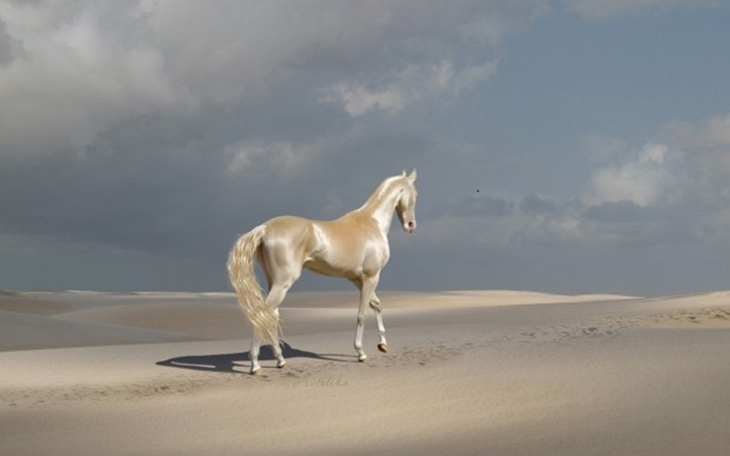
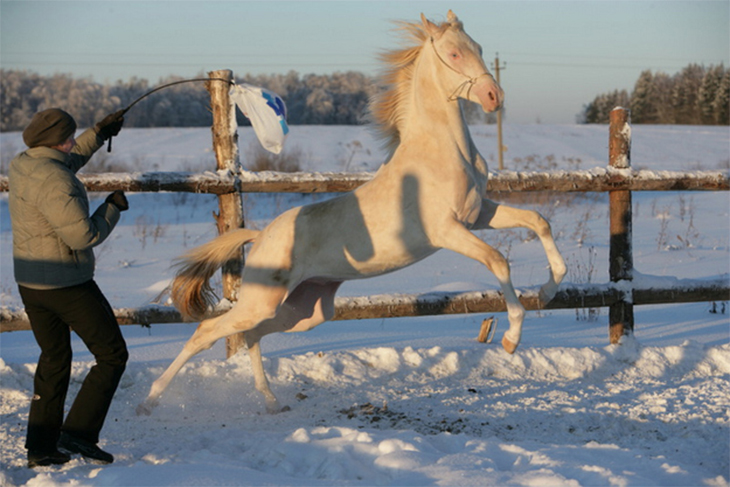
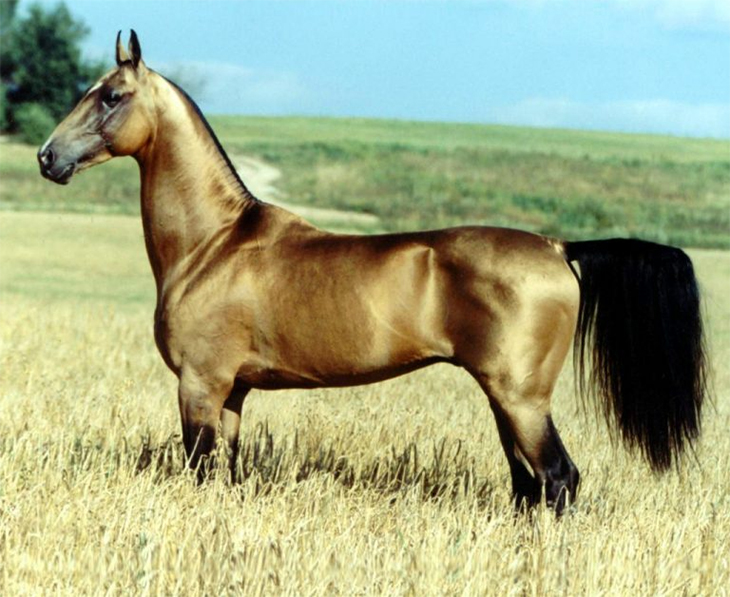
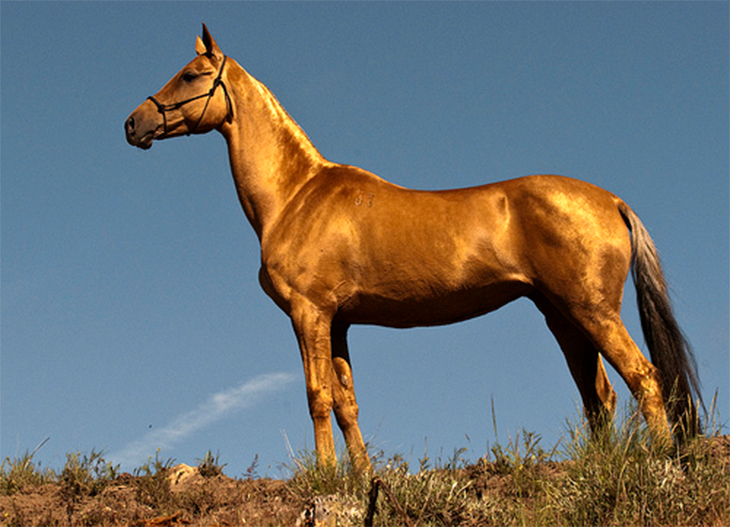
As anyone who’s ever watched Animal Planet (or gone outside) knows, the biodiversity found among Earth’s many creatures can be pretty stunning.As anyone who’s ever watched Animal Planet (or gone outside) knows, the biodiversity found amongst Earth’s many creatures can be pretty stunning. For those paying close enough attention, there’s almost no end to all the little variations to be discovered. Take horses, for example. You’re probably picturing a tall, regal animal galloping in a field, maybe with a black or brown coat (or even a white coat, if you’re into Westerns). But no matter how many horses you’ve seen, you’ve probably never seen them like this: These incredible animals are called Akhal-Teke horses and are native to Turkmenistan. We know what you’re thinking: Akhal-Teke? That sounds like a mythical steed from the Lord of the Rings. Although the comparison holds, we can assure you these sleek, metallic-looking animals are entirely real. While Akhal-Teke horses are something of a national treasure in Turkmenistan, they are revered throughout Asia as well. Nicknamed “golden horses” or “horses from heaven” in China, they were originally bred to survive in extreme weather conditions and are known for their intelligence, endurance, and speed. Still, the most striking thing about them is their lustrous coats which seem to reflect the light. The reason for this is that the structure of their hair follicles differs somewhat from other horses. The core of each hair strand on these animals is not as opaque as that of other horse breeds. Instead, there’s a larger transparent portion which takes up more space and captures more light. All this explains that glorious sheen as pictured below: While the Akhal-Teke are undoubtedly beautiful, they are also quite rare. By the last count in 2012, there are approximately 6,600 Akhal-Tekes on Earth, the majority of which are in Turkmenistan and Russia. Due to their prized status, the government of Turkmenistan sometimes gifts these animals to other countries as diplomatic gifts. After all, who wouldn’t want one to spend some time with one these big guys? Pictures of animals like these can be a humbling reminder of how vast the world really is and how much we still have to learn about it. Fortunately for those who can’t afford a plane ticket to Asia, we can appreciate the beauty of these gorgeous horses through our computer screens. Thanks, Internet! |
A “Sugar Glider” is a small marsupial in the same general family as a Kangaroo or Koala Bear.
They are originally from the rain forests of Australia and Indonesia, and have been domestically bred as household pets in the United States for the last 12-15 years.
They got the name “Sugar Gliders” because they:
They like to eat almost anything that is sweet, especially fresh fruit & vegetables, and they have a gliding membrane (similar to a flying squirrel) that stretches from their wrist to their ankles, allowing them to glide – not fly – from tree to tree.
In the wild they primarily live in trees in “colonies” of 10-15 other Gliders. Their “scientific” name: Petaurus Breviceps, and their specific Taxonomic Classification is:
Class: Mammalia
Infraclass: Marsupialia
Order: Diprotodontia
Suborder: Phalangerida
Family: Petauridae
Genus: Petaurus
Species: P. Breviceps
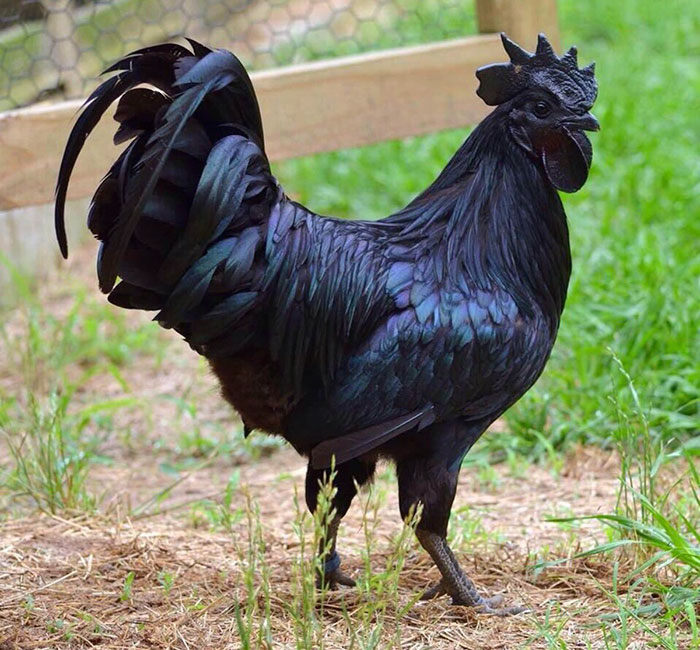
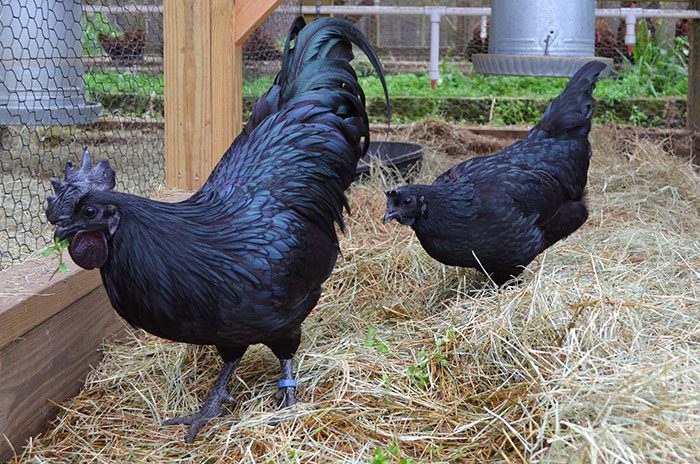
Rare ‘Gothic’ Chicken
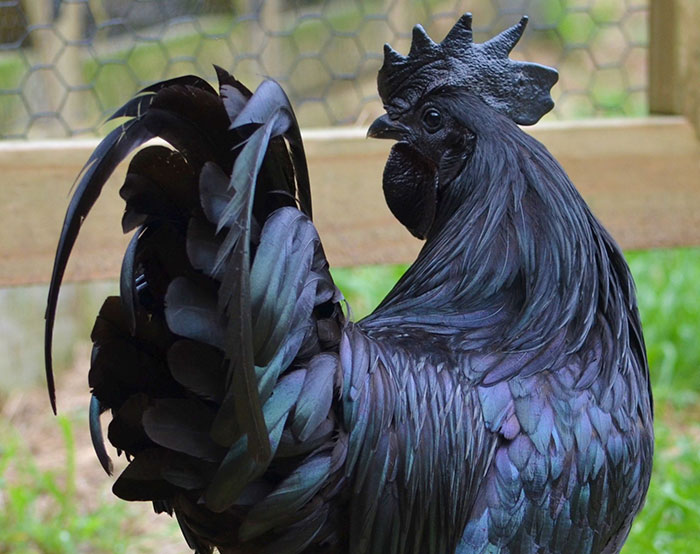
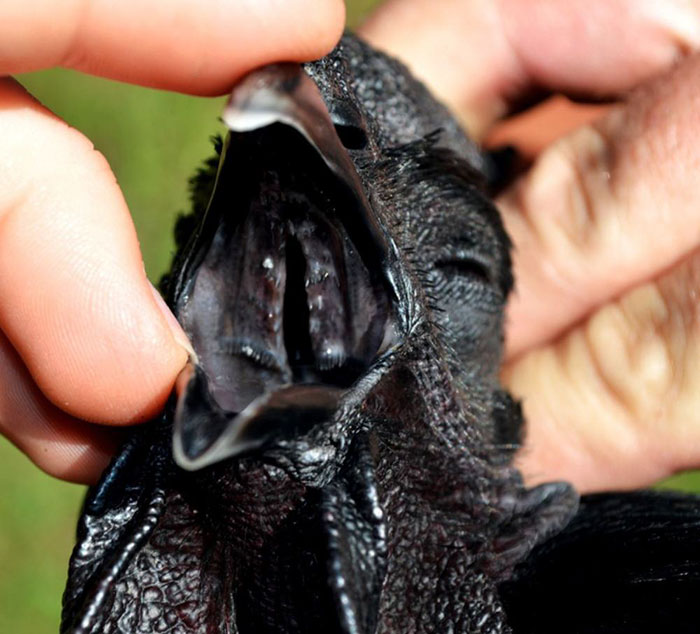
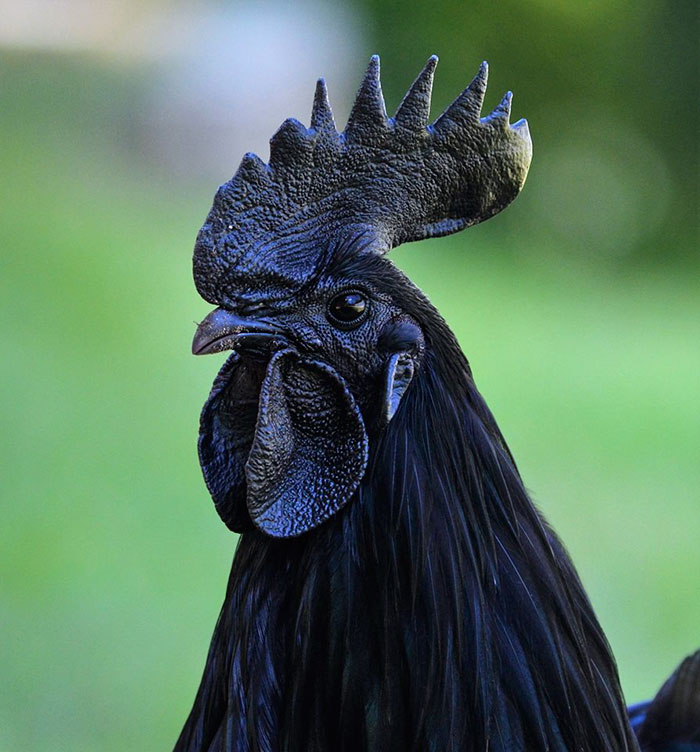
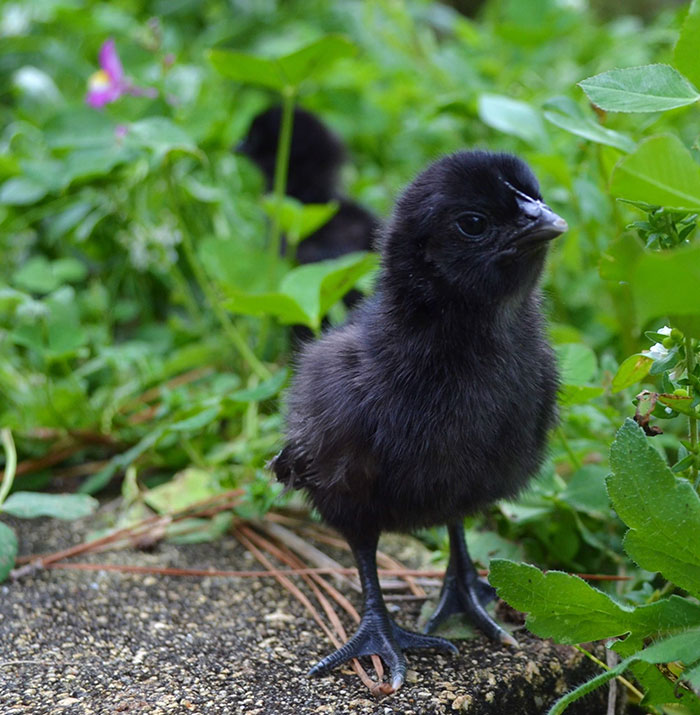
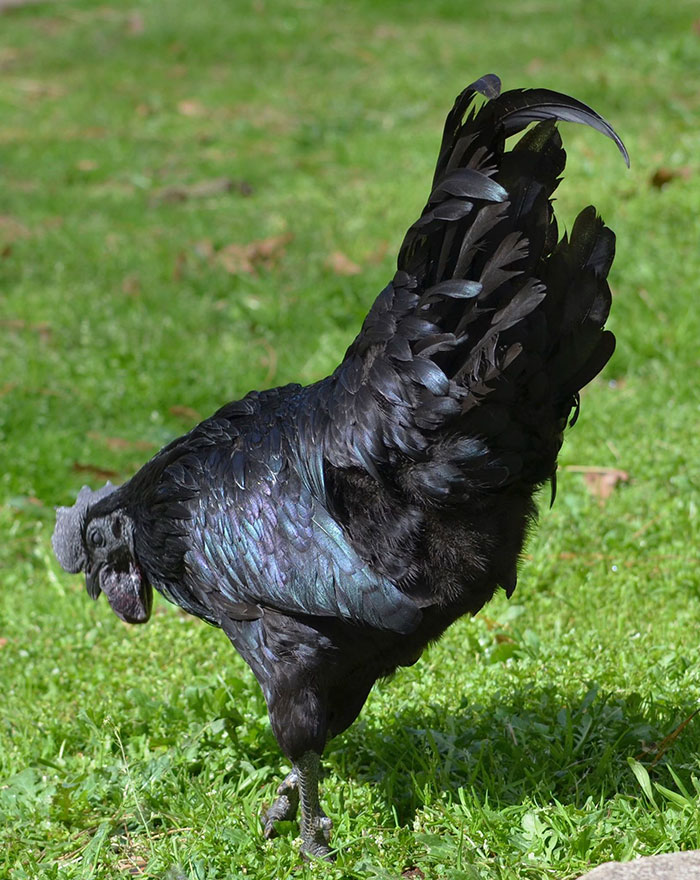
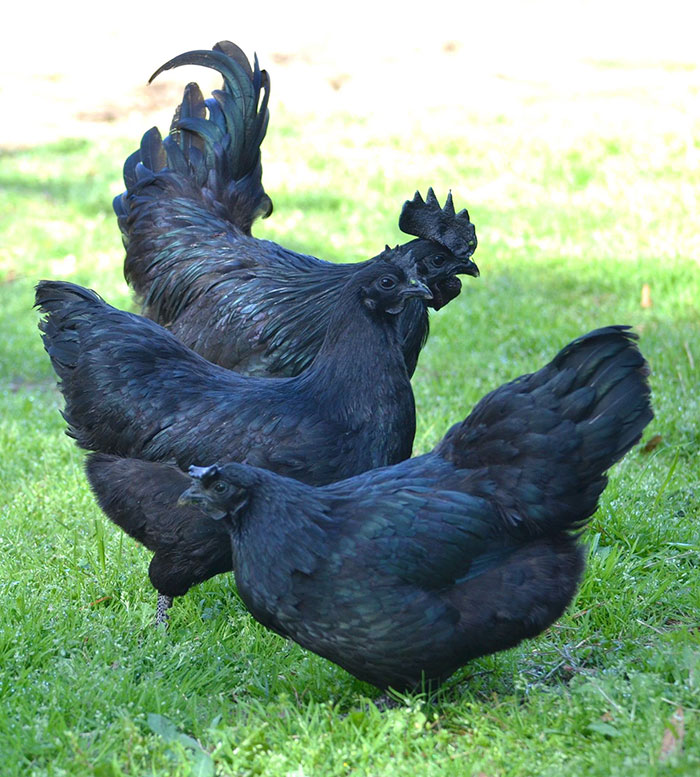
The Ayam Cemani is one of the most exotic and mysterious breeds of chickens in the world. It is Is 100% black – including it’s bones, blood, and beak
Now and again, mesmerizing and rare species of the animal kingdom present themselves. And, we’ll bet this is the first time you’ve ever beheld a completely black chicken. The unique bird, known as the Ayam Cemani, is one of the most exotic and mysterious breeds in the world, reports CemaniFarms. From the chicken’s silky feathers to her internal organs, she is completely black.
Reportedly, the effect is caused by a condition called fibromelanosis, which is a harmless genetic mutation. When the bird is in embryo, extra melanin seeps into the creature’s tissues, resulting in incredibly rare Cemani chicks.
The Cemani is from Indonesia and has inspired Javanese folklore since the 12th century. Some believe the bird’s blood is a delicacy of spirits that bring power and wealth, and even serves as a good luck charm.
One thing’s for sure, the rare chicken is a creature to marvel at!
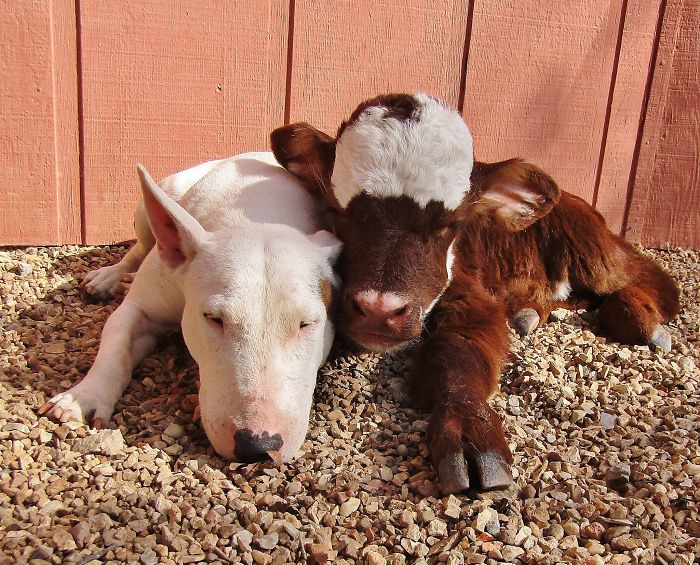
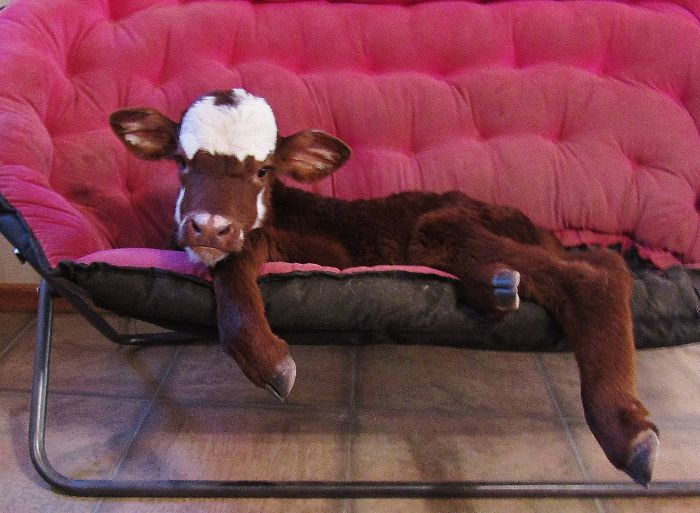
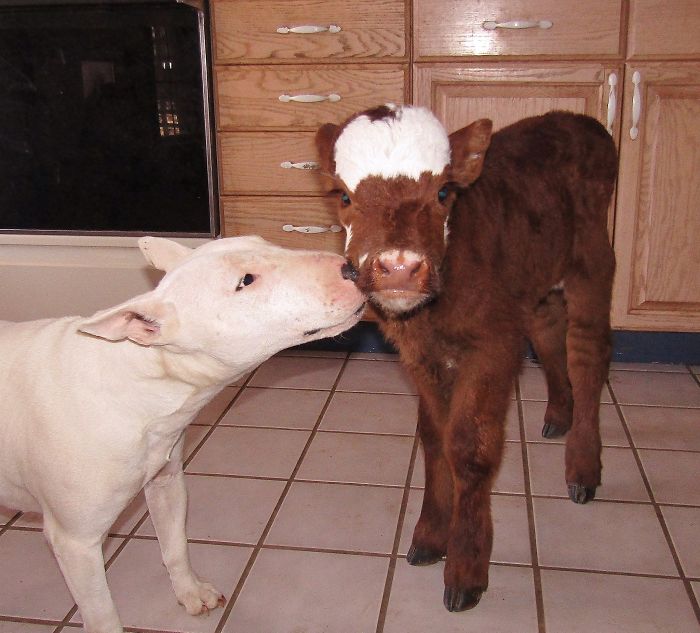
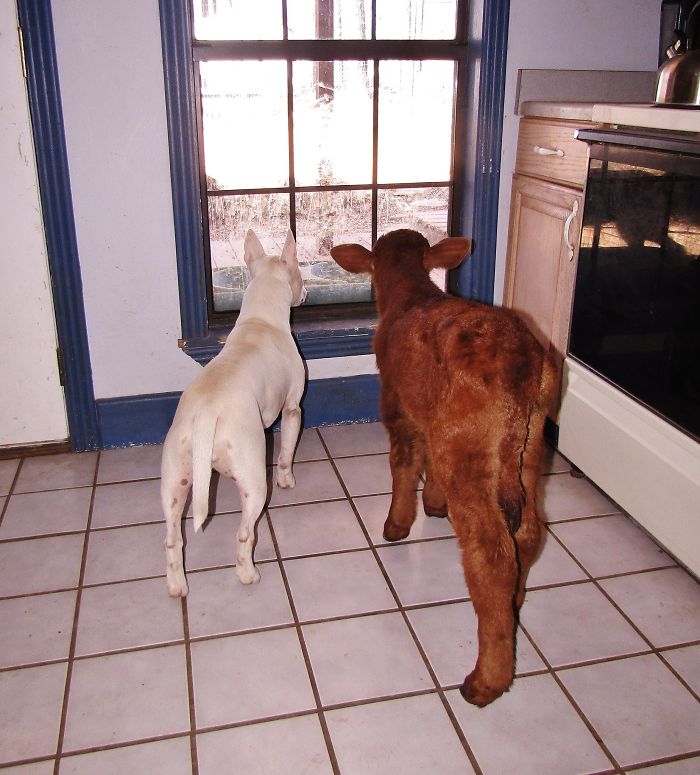
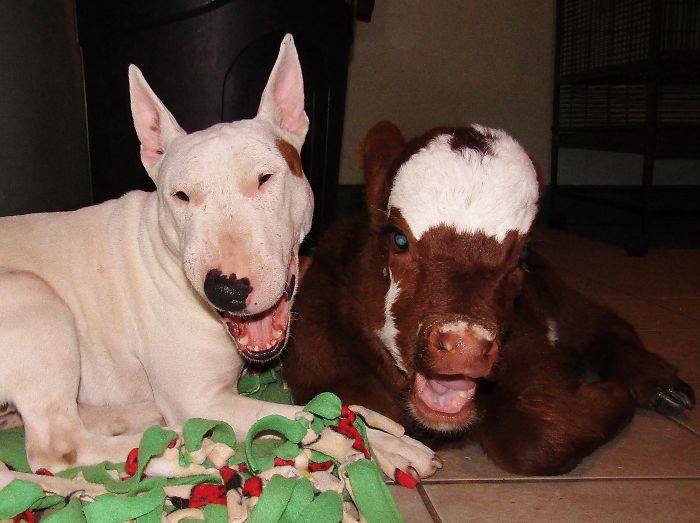
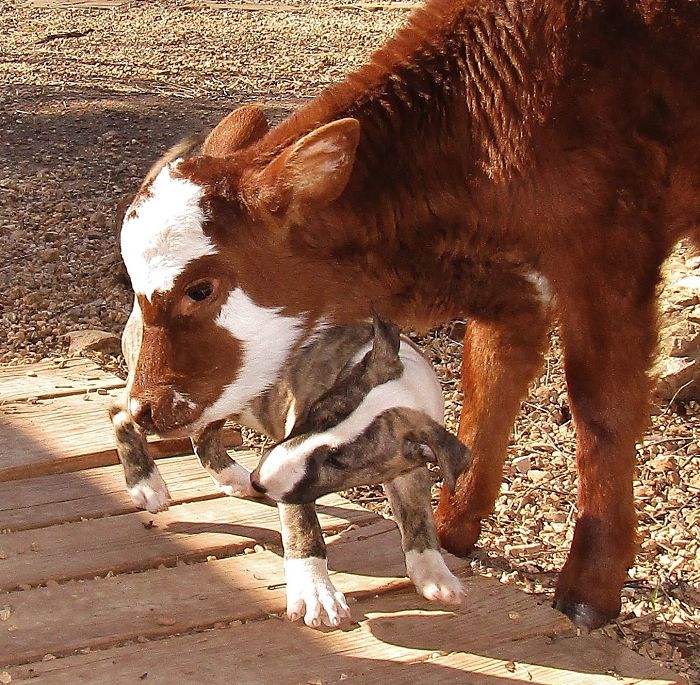
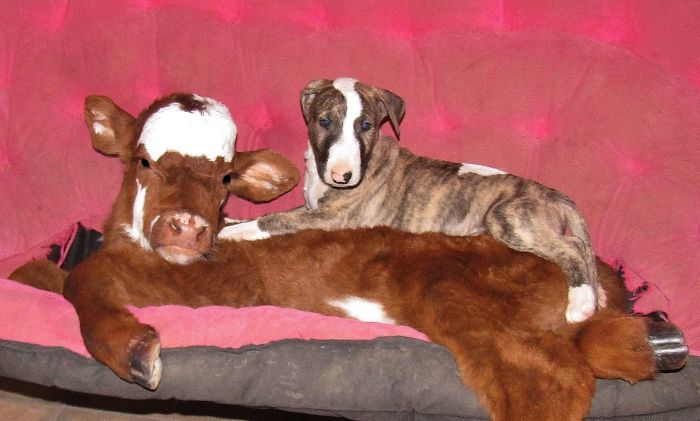
Miniature Cow Rescued From Auction Lives With 12 Dogs, And Now Thinks She’s One Of Them
“I think she just knows that there’s a lot of different friends in the world.”
Because Moonpie is tiny, she was allowed to stay indoors with Janice’s 12 dogs due to poor weather upon arrival. In no matter of time, the canines befriended her and the story goes that she now believes she’s part of the pack. In an interview with The Dodo, Janice said:
The dogs serve as her surrogate moms, said Janice. “They clean her face, the way her mother would have. They love to do that… They were all thrilled to see her.” One of Moonpie’s favorite friends is a deaf bull terrier named Spackle.
Moonpie even learned how to “use the bathroom,” according to Wolf. Like the dogs, she holds the urge to defecate or urinate until she is outside.
Now that the weather is nice and Moonpie is beginning to venture outdoors more. However, there’s still a lot more growing to do before she can be introduced to the other rescue animals, including a water buffalo, a zebra, capybaras, pigs, dogs, goats, an emu, other cows, and chickens. Fortunately, she has a large family of canines to keep her company. |
Wild Animals See Their Reflections For The First Time
French photographer Xavier Hubert-Brierre and his wife traveled to Gabon, located on the west coast of Africa, to set up mirrors in several locations and see how wild animals react to their reflections. What they got on tape is stunning, completely hilarious, and sometimes a little bit scary.
There can be no better or worse sight than your own reflection, but these vain animals seemed very keen to admire themselves.
Innovative French photographer Xavier Hubert-Brierre travelled to Gabon with his wife and set up a mirror in several locations in order to capture animals walking by.
The results are stunning, with one of the more amusing reactions being from two leopards.
One of them takes several looks at the mirror before it is attacked by a second leopard, who calls off the ambush when he too spots Xavier’s mirror.