
When a liberal sees a billionaire, they say, “Nobody should have that much.”
When a conservative sees a billionaire, they say, “Everybody should have that much.”
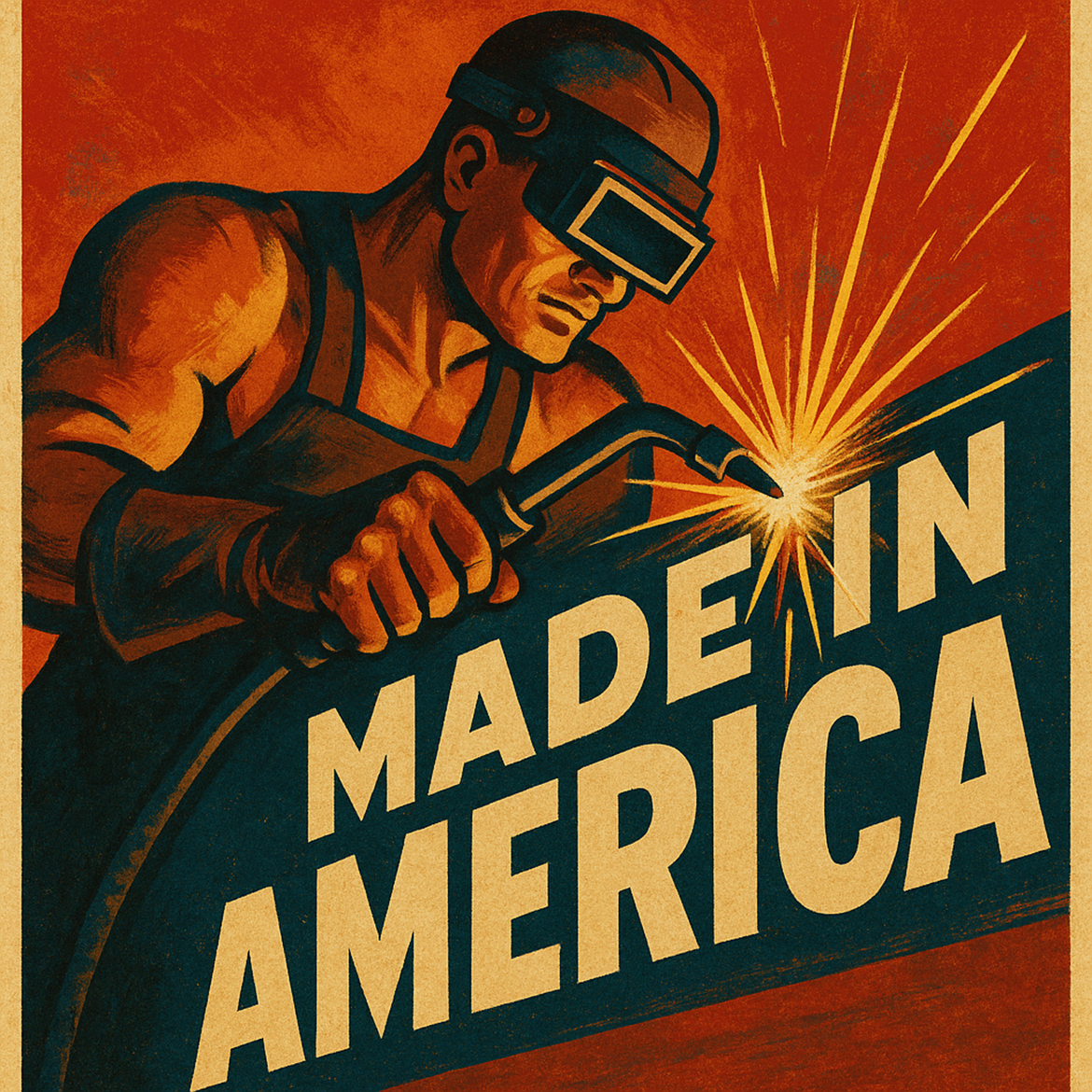
For decades, American companies chased cheap labor and lax regulations overseas, turning China into the world’s factory. Meanwhile, U.S. manufacturing towns withered. The pitch was simple: lower costs, bigger profits. But the real cost was far greater—economic vulnerability, lost jobs, and a disturbing moral compromise.
Every time we buy a product made in China, we’re supporting a system with a dark underbelly. Factories in Xinjiang, where the Uyghur Muslim minority faces persecution, feed into global supply chains. Are we really okay with our dollars funding forced labor camps? The pandemic exposed the fragility of relying on foreign production. But the ethical cost of outsourcing has been ignored for too long.
That bargain-bin price tag doesn’t tell the whole story. Shipping goods from China burns fuel, clogs ports, and leaves us at the mercy of foreign delays. But worse, many of those goods are tainted by human rights abuses. Reports from Xinjiang reveal Uyghurs being forced to work in factories that supply major global brands.
Even beyond the ethical concerns, quality suffers. Cheap Chinese manufacturing often means cutting corners—toxic materials, counterfeit parts, and planned obsolescence. American-made goods might cost more, but they’re built to last. More importantly, they’re built by workers who are paid fairly and treated with dignity.
When factories left, they took livelihoods with them. Towns that once hummed with industry now battle unemployment and despair. Meanwhile, China’s rise was fueled by exploited labor—including Uyghurs subjected to mass surveillance, forced assimilation, and coerced factory work.
Bringing manufacturing home isn’t just about economics—it’s about values. American workers deserve jobs that pay living wages. Our communities deserve revival, not ruin. And consumers deserve to know their purchases aren’t bankrolling oppression.
China doesn’t just dominate consumer goods—it controls critical supplies like pharmaceuticals, rare earth minerals, and tech components. Relying on a regime accused of genocide for essentials is a strategic disaster. What if they weaponize trade? We’d face shortages of everything from medicines to military hardware.
Worse, by outsourcing, we’ve become complicit. U.S. companies have been linked to Xinjiang supply chains, despite sanctions on forced labor. How can we claim moral leadership while funding oppression? True security means self-sufficiency—and clean hands.
Reshoring isn’t just smart—it’s necessary. Here’s how we do it:
This isn’t just about economics—it’s about who we are as a nation. Do we want to keep propping up a system built on oppression? Or do we rebuild an America that makes its own goods, employs its own people, and stands for something better?
The era of blind outsourcing must end. The answer is clear: **Made in America—or not at all.
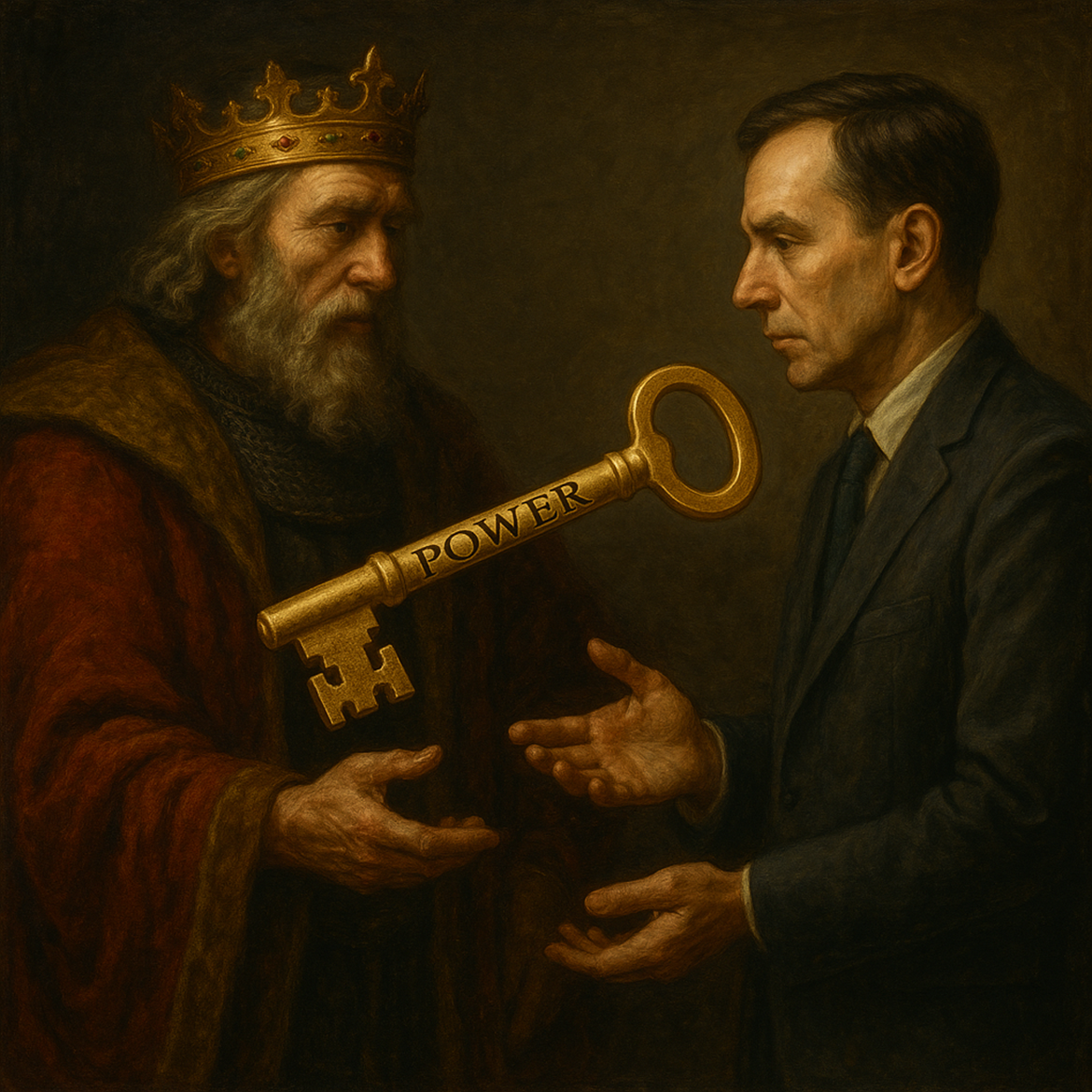
Kings and queens once ruled with absolute power. Their word was law, and their decisions shaped nations. Today, monarchs are mostly figureheads, but power hasn’t disappeared—it’s just changed hands. A new class of rulers has emerged, not by birthright or election, but through paperwork and titles. These are the bureaucrats, the unelected officials who quietly pull the strings behind the scenes.
Think about it: Who really decides what laws mean? Who enforces rules that were never voted on? The answer isn’t presidents or prime ministers—it’s the people buried in government offices, writing regulations that affect millions. They don’t wear crowns, but their influence is just as real.
Democracy was supposed to put power in the hands of the people. Citizens vote, leaders listen, and everyone gets a fair say. At least, that’s the idea. In reality, elected officials come and go, but the bureaucrats stay forever. They outlast presidents, prime ministers, and parliaments. While politicians argue in front of cameras, these officials work in the background, shaping policy without public scrutiny.
Take the European Union, for example. The European Commission, a group of unelected officials, proposes nearly all EU laws. National leaders debate them, but the framework is already set. Similar systems exist everywhere. In the U.S., federal agencies write thousands of rules each year—rules that carry the force of law but never passed through Congress.
Politicians love to promise change. “Vote for me, and things will be different!” But once in office, they often find their hands tied. Why? Because dismantling existing systems is nearly impossible. Bureaucracies grow like weeds, spreading roots deep into government. Even when new leaders take charge, the machine keeps running as before.
Consider how hard it is to fire a government employee in most countries. Unlike private-sector jobs, where performance matters, bureaucrats enjoy near-total job security. This means they can ignore political winds and focus on long-term agendas—agendas no one voted for.
Laws passed by legislatures are often vague by design. They set broad goals, like “clean up the environment” or “improve public safety.” But the details—the actual rules that dictate how businesses operate, what citizens can and can’t do—are written by bureaucrats.
These rules aren’t minor. They determine what you can build on your property, what medicines you can take, and how much money you owe in taxes. And once these rules are in place, overturning them requires navigating a maze of legal challenges and administrative hurdles. In other words, the system protects itself.
Old-world aristocrats had titles like “duke” or “baron.” Today’s elite have titles like “commissioner” or “director.” They don’t live in castles, but they do enjoy perks most people never see: generous pensions, expense accounts, and immunity from the consequences of their decisions.
When a business fails, its owners face bankruptcy. When a government program fails, its administrators get more funding. There’s no real accountability. The people in charge rarely lose their jobs, even when their policies lead to disaster.
So what can be done? First, recognize the problem. Most people assume elected leaders call the shots. They don’t. Real power lies with the people who control information, budgets, and regulations.
Second, demand transparency. Many bureaucracies operate in secrecy, hiding their decision-making behind layers of procedure. Sunlight is the best disinfectant—forcing these systems into the open would curb their worst abuses.
Finally, simplify. The more complex a government becomes, the harder it is to control. Reducing red tape and slashing unnecessary agencies would weaken the grip of the new aristocracy.
History shows that power always finds a way to concentrate. Kings ruled by divine right. Today’s rulers claim authority through policy papers and committee meetings. The methods have changed, but the outcome is the same—a small group making decisions for everyone else.
The question isn’t whether bureaucrats have power. It’s whether we’re okay with that. Because if we don’t push back now, the new aristocracy will only grow stronger. And unlike kings, they don’t even have to pretend to care about the people they rule.
| I used to think that I’m important But now people tell me I’m not. I can’t even control where I’m going. But I’m quite sure that it’s not hot. I cut in front of other shapes, Going towards the light. Now tell me, who am I? While I wait in everlasting night. |
 |
| Every day from Monday through Sunday in this week, Mr. Peter picks two shirts from the five colors red, blue, yellow, green, and black. Peter follows the rules:
1. Peter doesn’t use the same combination on two days of this week. What colors does Peter use on Saturday? |
|