An answer to the age-old question.
Enjoy!
It’s a legendary piece of playground lore: If you swallow a piece of gum, it stays stuck in your stomach forever. So was your elementary-school buddy right?
Minute Physics explains how long it would take a person to fall all the way through the Earth.
Enjoy!
Too low or high activity by thyroid gland may result in illnesses known as hyperthyroidism or hypothyroidism.
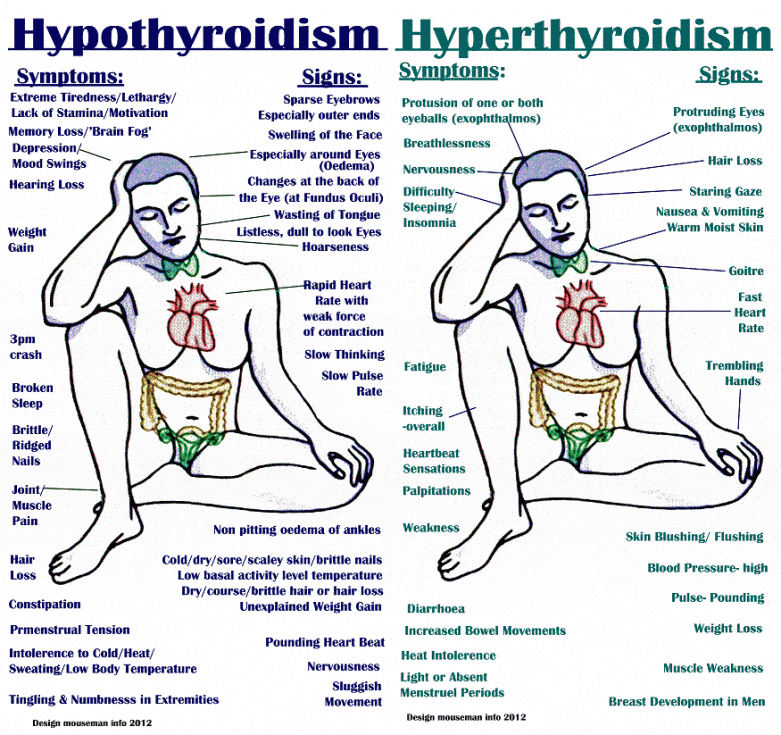
Thyroid problems are not as uncommon as you may think. There are countless questions and speculations about its causes, symptoms and treatment. Thyroid is a hormone which regulates body’s metabolism, specifically dealing with energy and growth of the body.
Too low or high activity by thyroid gland may result in illnesses known as hyperthyroidism or hypothyroidism. You need to understand these terms and the differences so as to better safeguard yourself against thyroid health issues.
These are the terms most hear when it is already too late, they learn it from the doctors mouth. It is estimated that every 1 out of 20 people are prone to acquire thyroid sickness in their life time.
Women tend to get this sickness more easily than men and therefore must be cautious.
Hypothyroidism vs Hyperthyroidism
When hormone secretion is not ideal and rather unbalanced, it results in these health issues.
Hormone output should neither be excessive or deficient in production and such instances can cause hypothyroidism or hyperthyroidism.
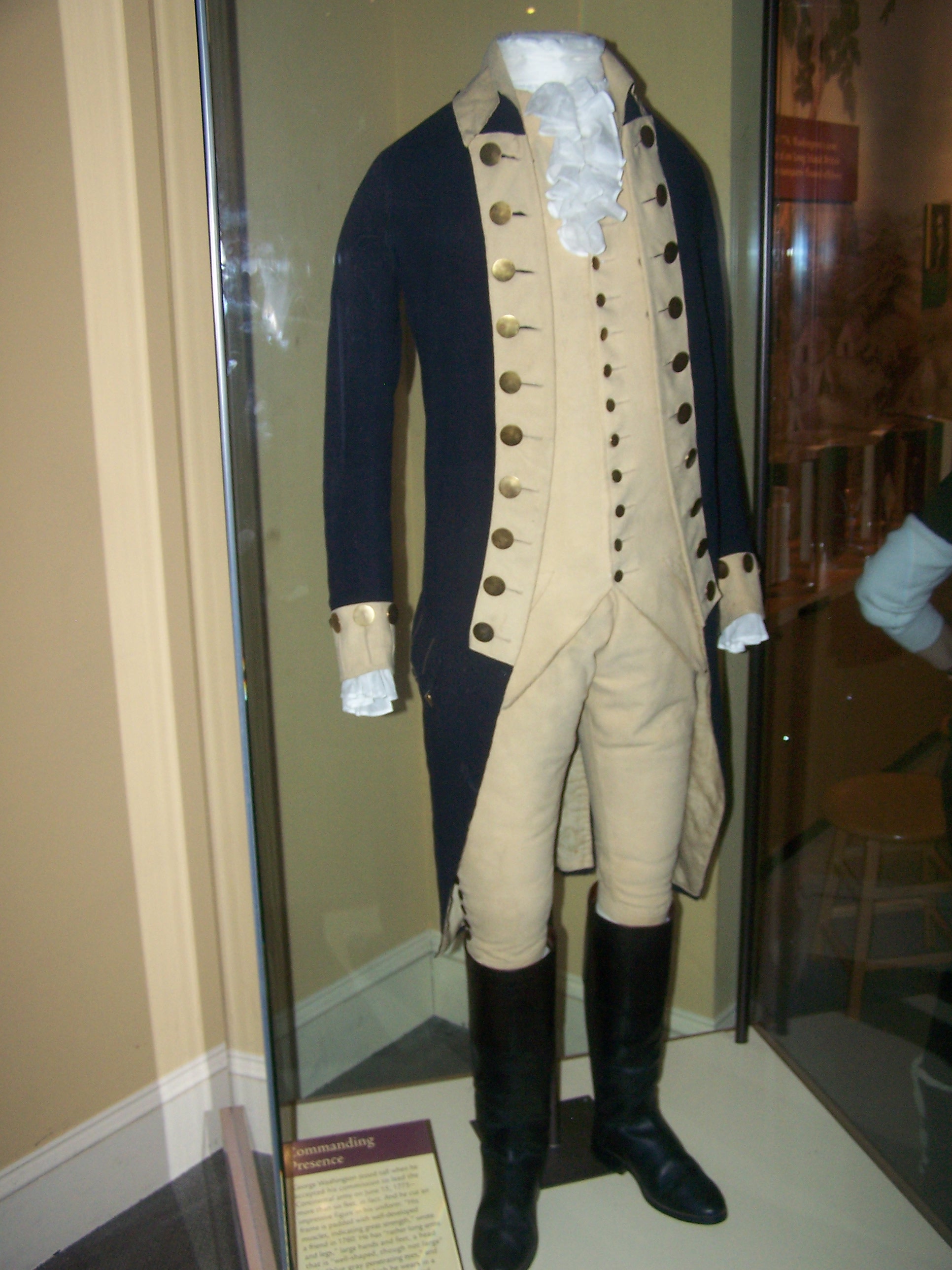
This blue wool coat is part of a suit of regimentals made for George Washington in 1789. It has a buff wool rise-and-fall collar, buff cuffs and lapels, and buff lining; there is a row of yellow metal buttons on each lapel, as well as on each cuff.
The waistcoat and breeches are matching buff wool, with gilt buttons.
Specific History
This uniform consisting of coat, waistcoat, and knee breeches was initially donated to the Columbian Institute; in 1841, it was transferred to the National Institute and housed in the Patent Office. It came to the Smithsonian in 1883 from the Patent Office collection, and has been on display almost continuously. (From the years 1942 to 1944, during World War II, the Smithsonian packed up many of its treasured artifacts, including this uniform, and sent them to the Shenandoah Valley for safekeeping.)
This uniform was worn by George Washington from 1789 until his death in 1799; the small clothes, or breeches and waistcoat, date from the revolutionary period.
Washington often posed for life portraits during this period, and was often depicted wearing this uniform. An example is the watercolor portrait on ivory painted by John Ramage in 1789; it is the first known depiction of this uniform in a portrait of Washington.
In December 1798, Washington was recorded wearing this uniform when he visited Philadelphia on Provisional Army duty. He wore a similar uniform when he was commissioned by the Continental Congress as commander in chief of the Continental army.
None of his uniforms from the Revolutionary War period are known to have survived.
General History
When George Washington was an aide to General Edward Braddock he paid special attention to the way the British general maintained his rank and deportment. Washington believed that in order to command effectively, an officer must convey character and leadership through appearance as well as action. As the leader of the Continental army, Washington wanted these troops to present themselves as a professional military organization and a proper uniform was one way of showing a unified front. In commemoration of Washington’s attention to detail, the colors of blue and buff remained the accepted pattern for U.S. Army uniforms until the beginning of the Civil War.