You must develop the ability to be disliked in order to free yourself from the prison of other people’s opinions.
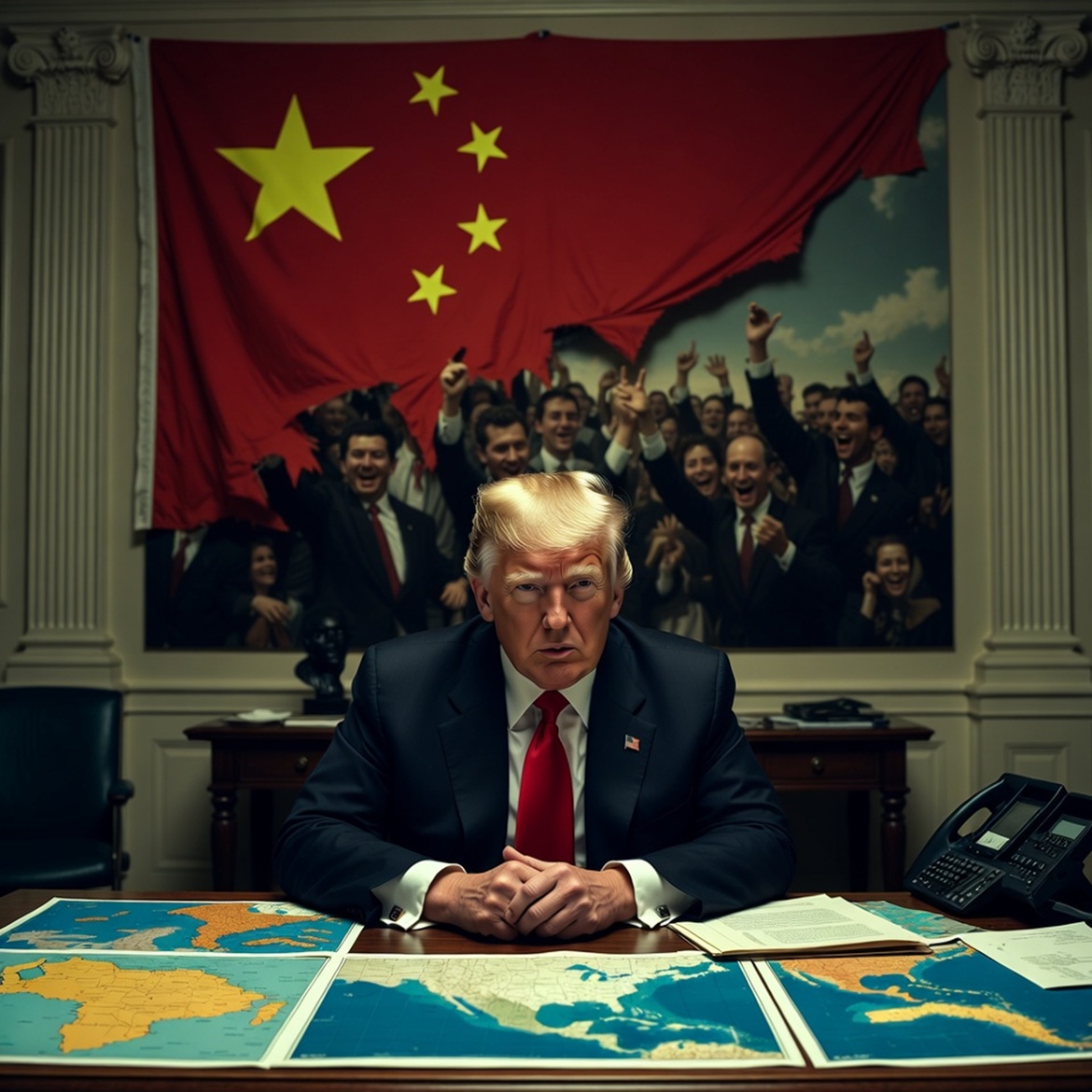
If you think the Trump administration is giving conflicting signals about what’s going on in the world right now, let me explain.
President Trump returned to the White House on January 20, 2025, and he hit the ground running. On January 3, 2026, U.S. forces went into Caracas and grabbed Nicolás Maduro along with his wife, Cilia Flores. It was a clean operation. Maduro’s sitting in New York now, facing charges for drugs, weapons trafficking, and terrorism links. Delcy Rodríguez stepped up as acting president, and things are changing quickly. Oil that’s been locked up is starting to flow again, political prisoners are walking free, and the U.S. is helping steer the whole transition.
Then came February 28. Joint U.S.-Israeli strikes, part of what they’re calling Operation Epic Fury, hit Tehran hard. They took out Supreme Leader Ayatollah Ali Khamenei right in his compound, along with a bunch of top commanders, some family, and other big names. Iran’s military is hurting badly. Their air force and navy destroyed, missile sites are in ruins, and bases keep getting pounded every day. Explosions are still going off in Tehran. Trump has said straight up this could drag on four to five weeks or longer. Iran fired back at U.S. bases, Israel, and some spots around the region, but the momentum is still with the strikes.
None of this is happening by chance. These are connected pieces of a bigger picture. The goal is to chip away at China’s worldwide reach, give the Chinese people a real chance to shake off the Chinese Communist Party’s tight hold, and stop the dirty cash that’s been buying politicians around the world. And now Cuba is clearly next in line. With Venezuelan oil gone, Cuba’s in real trouble. Shortages are everywhere, the economy is tanking, and people are restless. Trump floated the idea of a “friendly takeover” just a few days ago, saying Cuba is talking to us and maybe we’ll end up handling things that way. He’s got Secretary of State Marco Rubio working on high-level talks, and there’s talk of regime change by the end of the year. This isn’t some side thing. It’s about cutting another thread in China’s web and finally giving the Cuban people a shot at breaking free after decades stuck under communist control.
What looks like separate messes in different parts of the world is actually one steady push against the real heavyweight staying mostly out of the spotlight.
Let’s walk through it step by step and see why this all adds up to something huge.
Maduro’s capture back on January 3 basically ended a setup that China had been bankrolling for years with loans and oil deals. Venezuela sits on huge reserves, and that crude kept China’s factories humming, helped build up their military, and fueled their push everywhere else. Now with Maduro out and Rodríguez running things (even with her own past), she’s moving fast: handing over billions in sanctioned oil, opening up parts of the industry to private hands, and cutting deals that put the U.S. in a stronger spot.
Trump called it the perfect setup. Most of the government people stay put so things don’t collapse, but the rotten connections snap. China suddenly loses a big supplier and has to hunt for replacements. Their economy is already stretched thin from spreading out too far, and now it’s feeling the pinch: prices go up, growth slows, and supplies get tight. Regular people in China feel it right away. Jobs dry up a bit, stuff costs more, and all those big promises about never-ending boom start sounding empty.
That kind of pressure creates space inside China. The Party stays in power by looking tough abroad and keeping everyone locked down at home. Lose key partners and watch resources shrink, and that tough image starts to crack. People begin wondering out loud about all the censorship, the endless watching, and the lack of any real say. Little questions today turn into bigger demands tomorrow for basic fairness, open conversation, and leaders who actually work for the people instead of the other way around.
The corruption side hurts too. Chinese money used to slide through Venezuela to buy favors. Politicians in the Americas and farther out got quiet envelopes for going along with whatever Beijing wanted. Those pipelines are shutting down. Less secret cash floating around means officials have to start answering to voters instead of foreign wallets.
One solid move like that capture, and you watch a whole network come apart in front of everyone.
It helps protect the neighborhood as well. Countries next door don’t have to worry about a Chinese-backed bully right on their border anymore. Trump keeps saying the plan is to transition to local control, not sticking around forever. It’s about stopping the cycle of leaning on outsiders.
Khamenei’s death on February 28 flipped the script overnight. The guy who ran things for decades is out from one clean strike on his compound. A bunch of senior military guys, intelligence heads, and even relatives went down in that first wave. Iran shot missiles toward Israel, U.S. bases, and Gulf spots in response, but they’re taking serious hits themselves. Strikes keep coming, smashing missile factories, navy ships, drone setups, command centers. Trump says their air force and navy are basically knocked out, and more is on the way.
China was the quiet lifeline here: buying their oil even under sanctions, handing over tech for missiles and spying gear, funding projects that look civilian but help the military. That setup let Iran stir up trouble in the Middle East, pulling eyes away from what China was doing in Asia and the Pacific. Now with no real lasting leader and the military in shambles, those ties are coming loose. Iran can’t keep up their end, so China’s ability to use them as a stand-in drops fast. Those big Belt and Road dreams hit snags when your partners can’t guarantee safety or deliver.
Back in China, this piles on more stress for everyday people. The leaders sell this idea of unstoppable global power to excuse all the rules and limits at home. When those overseas plays fall apart, lost allies and extra defense money show how hollow it is. People deal with higher costs, less room to breathe, shakier futures. Voices that stayed quiet start getting louder, asking for decent wages, the ability to speak freely, a government that actually responds.
Corruption gets hit here as well. Iranian oil money routed through Chinese channels funded all kinds of influence games worldwide: lobbyists, quiet donations, backroom deals that went against what regular people wanted. Slowing Iran down cools that whole stream. Politicians lose their secret supporters and find it tougher to sell out their own countries for personal gain.
Strikes happening right now are breaking chains that have held millions down for far too long.
Trump frames the whole thing as stopping bigger dangers: no nuclear breakout, no missiles that reach farther. It’s about using real strength to get lasting results, not dragging things out forever.
Venezuela going down exposed how fragile Cuba really is. The island depended on cheap oil from there in trade for doctors and other help. Without it, shortages hit hard, the economy craters, unrest builds. China jumped in with food aid, money, and diplomatic cover to keep their socialist buddy afloat against U.S. pressure. Beijing keeps saying no to outside meddling and props up Havana to hold things steady.
Trump turned up the heat: declared a national emergency over Cuba late January 2026, slapped tariffs on countries sending oil their way, and started signaling serious talks. He threw out the “friendly takeover” line recently, saying they’re talking to us and it could happen. Rubio’s handling high-level discussions, reports say they’re looking for people inside Cuba ready to help make a shift, with regime change possibly by year’s end. Diplomats in Havana are talking about a decisive moment and freedom after 67 years without it.
This matches the pattern perfectly. Cuba is another close-by base for Chinese influence in the Americas, right on our doorstep, with connections that poke at U.S. security. Snapping this link isolates China more, makes them pull resources back home. The Party’s story of endless rise takes another hit. Chinese citizens see the price of stretching too far, and that builds more pressure from inside for real change.
For Cubans, this is personal. Decades of tight rules, little freedom, constant hardship, and now the walls are cracking. Enough pressure might push a transition like Venezuela’s: keep the basic setup, get rid of the hardest hardliners, guide things toward openness. Real liberation would mean actual choices, better days, no more leaning on patrons like China.
Corruption takes another punch too. Chinese backing for Cuba often hides influence plays, money and favors that sway politics around the region. Cutting that off dries up those channels and pushes for cleaner ways of doing things.
The pressure is building, and another group of people could soon get to live freer.
Dig a little deeper, and you see this fight did not start in 2026. Go back to 2020, and a lot of people have long suspected China played a dirty hand in flipping that election. Think about it: COVID hits right as the campaign heats up, lockdowns force massive mail-in voting experiments in key states, and suddenly electronic voting machines from companies like Dominion get accused of flipping votes or deleting them. Coincidence? Or part of a bigger plan to weaken America from the inside?
Reports that surfaced later, some declassified under the current administration, point to the CCP mass-producing fake U.S. driver’s licenses and shipping them here. The idea was to let sympathetic people, like students or immigrants tied to Beijing, use those fakes to request and cast fraudulent mail-in ballots for their preferred candidate. Customs seized thousands of those bogus IDs around the same time, mostly from China. The FBI had tips on this in summer 2020, but higher-ups allegedly buried or recalled the intel to avoid rocking the boat.
Then there is the Dominion angle. Whispers tied those machines to vulnerabilities that could let outside actors tweak results remotely. Some claims even looped in Venezuela as a middleman, with Chinese tech or influence in the mix. Many of these electronic voting machines had hardware straight from China, components made over there that raised red flags about backdoors or easy hacks. Nothing stuck in court, sure, but the timing of COVID pushing mail-ins, combined with those seized IDs and machine glitches in swing states, makes you wonder if Beijing saw a chance to sow chaos, boost mail voting (easier to game), and tip the scales without fingerprints.
Why go to all that trouble? A weakened U.S. under a friendlier administration lets China expand unchecked—more Belt and Road projects, more influence buys, less pushback on their own people. If they helped engineer 2020’s mess, it explains why they are so invested in keeping allies like Maduro and the mullahs in power. Trump’s moves now are payback: cut those lifelines, expose the old tricks, and make sure no foreign power pulls that stunt ever again.
But the non-kinetic war doesn’t stop at elections. At the end of the day, China is really in a non-kinetic war with us, fighting through cyber tricks, economic pressure, hidden interference, and even chemical sabotage instead of open battles, all to wear us down without firing a shot. Fentanyl fits right into that playbook. The same country that allegedly shipped fake IDs to game mail ballots is the primary source of the fentanyl precursors flooding across the southern border. Mexican cartels cook it up using chemicals from Chinese factories—factories that get tax rebates and subsidies from Beijing even after “crackdowns” that never seem to stick.
Over 100,000 Americans die every year from overdoses, mostly fentanyl-laced pills. Hospitals overwhelmed, families destroyed, police stretched thin, workforce gutted. It’s slow poison that costs the U.S. hundreds of billions and breaks communities without a single PLA soldier crossing the Pacific. Some call it modern opium warfare—payback for the 19th-century Opium Wars, but this time China is the one supplying the drug and reaping the profits while America bleeds. The CCP could shut down those precursor plants tomorrow if it wanted; their surveillance state tracks everything. Instead, the flow continues. It’s classic unrestricted warfare: hurt the enemy where it hurts most, make money doing it, and never admit a thing.
All these pieces—COVID chaos, mail-in vulnerabilities, machine hardware from China, fake IDs, and now fentanyl flooding the streets—are different fronts in the same quiet campaign to hollow out American strength. Trump’s current operations are about hitting back hard, severing the supply lines, and forcing the CCP to feel the pain they’ve been dishing out for years.
Put Venezuela in January, Iran through February and March, and Cuba’s building crisis together, and the plan stands out clear. President Trump is hitting the outer defenses around China: oil from Venezuela, muscle from Iran, a nearby foothold in Cuba. Take those away, and China’s overextended setup has to pull back. Resources shift home, the economy squeezes, the hold loosens. The Communist Party lives off looking unbeatable. Take that away, and people inside start pushing harder for real chances, open talk, leaders who answer to them.
It weakens the shadowy layers too: unelected types who live off chaos and foreign money. When the front-line players fall and the cash stops, their influence fades. Things get more open. Countries start running their own show again.
Trump keeps it straightforward: keep going until the goals are met, wipe out threats, lock in stability, don’t let it spiral. He sees Iran and maybe Cuba going the Venezuela route: hold onto the structures, swap out the bad actors, build something better. Sure there are risks and losses, but the point is peace through strong action, not sitting in stalemate.
We’re right in the middle of it: blasts in Tehran, big changes in Caracas, serious talks in Havana. Check the White House briefings yourself, skip the surface spin, track what’s really happening. Pass along what stands out. The more people see the full picture, the less room there is to twist it.
This is about heading toward a world with less hidden pulling of strings, and it’s playing out live. Keep your eyes open.
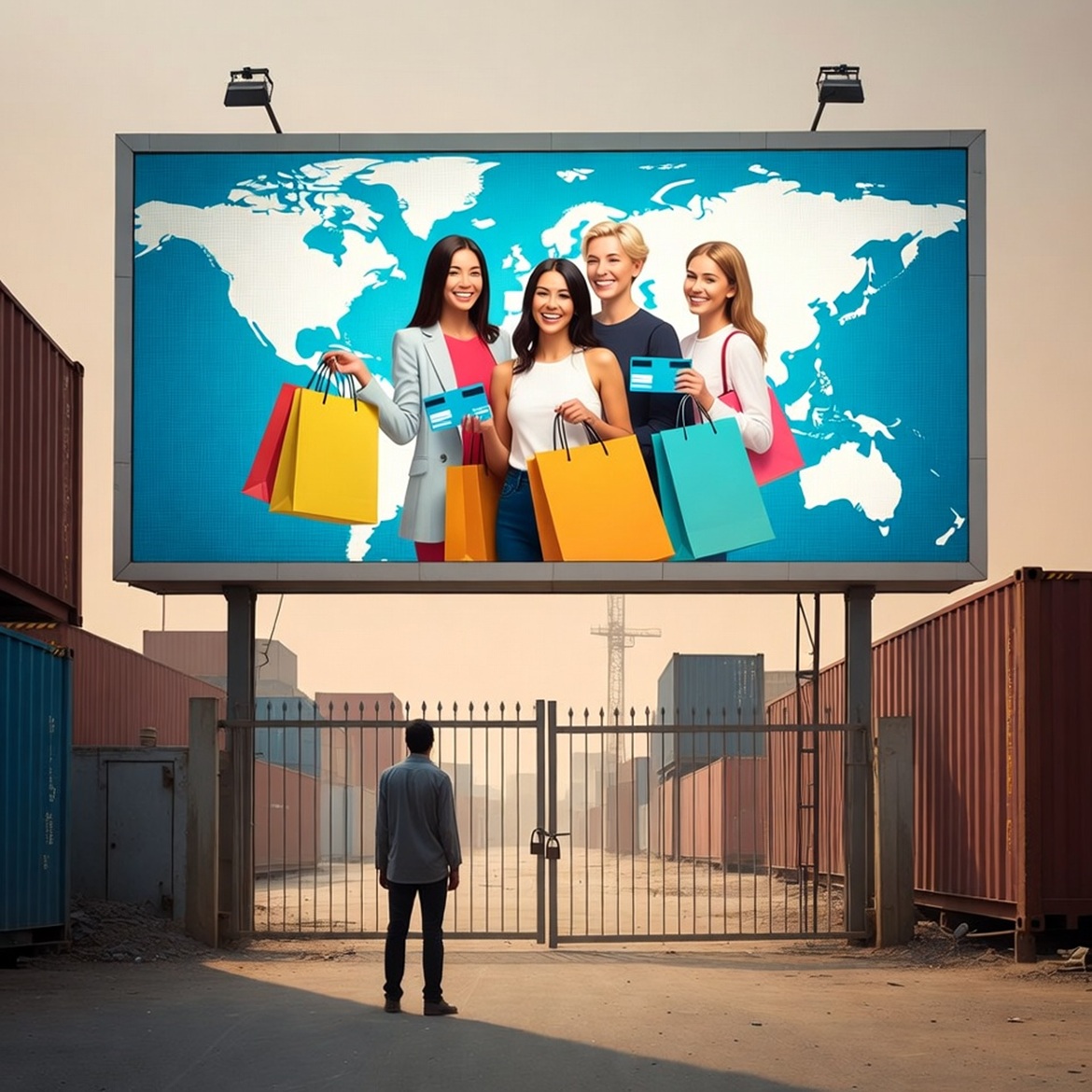
Imagine a world where factories stand empty, jobs vanish into thin air, and the only role left for most people is to buy things. This isn’t some far-off dream or nightmare. It’s the quiet shift happening right now under the banner of globalism. For years, we’ve heard promises of a connected world bringing prosperity to all. But peel back the layers, and you see a different picture: a system designed to turn nations into giant shopping malls, where workers become obsolete and consumers rule the day. In this article, we’ll explore how this endgame plays out, why it’s gaining speed, and what it means for you and your family.
What if the promise of endless growth hides a plan to strip away our independence?
Globalism started with good intentions, or so they say. It was about linking countries through trade, sharing ideas, and lifting everyone up. But over time, it morphed into something else. Powerful interests pushed for open borders not just for goods, but for labor and capital too. The result? A race to the bottom where jobs move to places with the cheapest workers, leaving behind hollowed-out towns and frustrated families.
Take manufacturing as an example. Once the backbone of strong economies, it’s now outsourced to distant lands. Why pay fair wages here when you can find someone overseas willing to work for pennies? This isn’t about efficiency; it’s about control. When production leaves, so does the power of the people who build things. We’re left dependent on faraway suppliers, vulnerable to disruptions like we’ve seen in recent years with supply chains breaking down.
Free trade sounds great on paper. It promises lower prices and more choices. But look closer at these massive agreements signed by governments around the world. They’re often crafted in secret rooms by unelected officials and corporate giants. These deals don’t just open markets; they rewrite rules to favor big players over small ones.
For instance, protections for local industries get stripped away. Small farms can’t compete with subsidized imports, so they shut down. Family-owned businesses fold under the pressure of cheap foreign goods. And who benefits? The same handful of multinational companies that dominate everything from food to tech. Governments go along with it, claiming it’s for the greater good. But ask yourself: whose good? Not the worker who’s now flipping burgers instead of building cars.
When jobs cross borders, dreams stay behind, trapped in empty factories.
These deals also push for intellectual property rules that lock up knowledge. Innovations that could help local economies get patented and controlled by outsiders. It’s a clever way to ensure that real wealth creation stays in the hands of a few. Meanwhile, the rest of us are nudged toward service jobs that don’t produce anything tangible. Think retail, delivery, or gig work. These roles keep the economy humming, but they don’t build lasting security.
At the heart of this shift is a simple idea: make everyone a consumer first and foremost. Why? Because consumers drive demand, and demand keeps the money flowing upward. Governments and big businesses encourage this through endless advertising, easy credit, and policies that prioritize spending over saving.
Remember when saving money was a virtue? Now, it’s all about buy now, pay later. Credit cards, loans, and apps make it simple to spend what you don’t have. This creates a cycle where people work just to consume, never building real wealth. And when jobs dry up due to automation or offshoring, what’s left? Government handouts, perhaps, but those come with strings attached. You’re no longer a producer contributing to society; you’re a dependent, reliant on the system.
Education plays a role here too. Schools focus more on preparing kids for a “global economy” than teaching practical skills. Critical thinking takes a back seat to compliance. The goal? A workforce that’s flexible, meaning disposable. Train them to adapt to whatever low-wage job is available, but don’t empower them to challenge the status quo.
In a world of endless consumption, true freedom slips away like sand through your fingers.
Look at the rise of e-commerce giants. They promise convenience, but at what cost? Local stores close, communities weaken, and all the profits funnel to distant headquarters. These companies don’t just sell products; they collect data on your every move, predicting and shaping your desires. It’s a subtle form of control, making sure you keep buying to fill the void left by meaningful work.
You might think governments would step in to protect their people. After all, they’re supposed to represent us. But time and again, they side with global interests over national ones. Why? Because leaders get swayed by lobbyists, campaign funds, and the allure of international prestige.
Take immigration policies. Open borders aren’t just about compassion; they’re about flooding the labor market to keep wages low. Skilled workers from abroad compete with locals, driving down pay and benefits. Governments tout diversity and growth, but the real winners are employers who cut costs. And when tensions rise, they blame the people, not the policies.
Environmental rules get twisted too. Global agreements on climate sound noble, but they often burden small nations while letting big polluters off the hook. Factories move to places with lax standards, and the cycle continues. It’s not about saving the planet; it’s about reshaping economies to fit a consumer-driven model.
Trust in leaders fades when their actions speak louder than words.
Even welfare systems evolve to support this vision. Instead of investing in job creation, governments offer basic income trials or subsidies that encourage staying home. It sounds helpful, but it risks creating a class of permanent consumers, detached from production. Independence erodes, and reliance on the state grows.
This isn’t abstract theory. Real people feel the pain. In rust belt towns, once-thriving communities now struggle with unemployment and despair. Fathers who built machines now drive for ride-sharing apps, barely making ends meet. Mothers juggle multiple gigs, with no time for family.
Health suffers too. Stress from financial insecurity leads to higher rates of illness and shorter lives. Mental health crises spike as purpose fades. When work loses meaning, so does life. And inequality widens: the top 1% amass fortunes while the middle class shrinks.
Young people face the brunt. Saddled with debt from education that doesn’t lead to stable jobs, they delay starting families or buying homes. The dream of upward mobility feels like a relic from the past.
Behind every statistic is a story of lost potential and broken promises.
Yet, amid the gloom, sparks of resistance emerge. Communities band together to support local businesses. People learn trades that can’t be outsourced, like plumbing or farming. It’s a reminder that we don’t have to accept this path.
So, what can you do? Start by questioning the narrative. Don’t take official stories at face value. Seek out independent voices and dig into the details of policies affecting your life.
Support local economies. Buy from small shops, eat at family restaurants, and invest in community projects. This builds resilience and keeps money circulating where it matters.
Learn skills that endure. Focus on hands-on abilities like gardening, repairing, or coding for real-world problems. These can’t be easily replaced or shipped away.
Advocate for change. Vote for leaders who prioritize national interests over global ones. Push for fair trade that protects workers, not just profits.
Finally, build networks. Connect with like-minded people to share ideas and resources. Strength comes from unity, not isolation.
Change begins when individuals refuse to play by rigged rules.
In the end, globalism’s endgame aims for a world of passive consumers, stripped of the dignity of work. But we have the power to rewrite the script. By reclaiming our roles as producers and citizens, we can forge a future that’s truly prosperous for all. It’s time to act before it’s too late.