The Last Day of George Washington

 Conspiracy, Featured, Political  Comments Off on The Last Day of George Washington
Jan 092024
 

How did George Washington die? Find out how a sore throat turned into a fatal infection in his final hours. Discover the events and causes of his death.

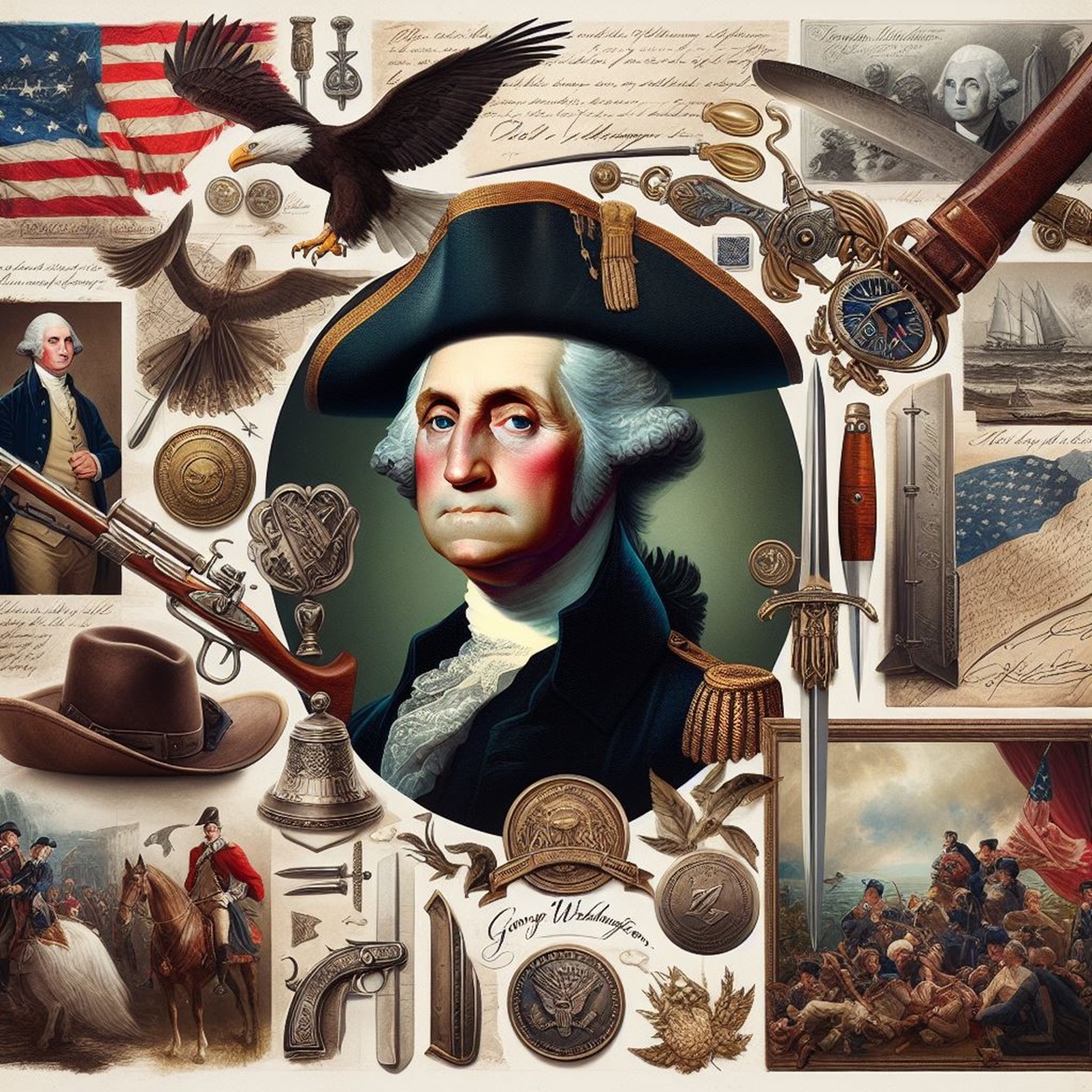
George Washington was one of the most influential figures in American history. He led the Continental Army to victory in the Revolutionary War, presided over the Constitutional Convention, and served as the first President of the United States. He is widely revered as the “Father of the Nation” and a symbol of courage, wisdom, and integrity.

But how did this remarkable man die? What were the events and causes that led to his demise? And what can we learn from his final hours?

In this article, we will explore the last day of George Washington, and how he succumbed to a throat infection that proved fatal in a matter of hours.

The Morning Ride

On Thursday, December 12, 1799, George Washington was out on horseback supervising farming activities on his estate at Mount Vernon, Virginia. He was 67 years old, and had retired from public life two years earlier. He enjoyed spending time on his plantation, overseeing the work of his slaves and managing his crops and livestock.

The weather that day was cold and wet, with light snow, hail, and rain. Washington rode for about five hours, from late morning until three in the afternoon. He was wearing his usual riding clothes, which consisted of a woolen coat, a waistcoat, breeches, boots, and a hat. He did not wear a scarf or a cloak, as he was accustomed to the cold.

When he returned to his mansion, he was soaked and shivering. His wife, Martha, suggested that he change out of his wet clothes before dinner, but Washington refused. He was known for his punctuality, and did not want to keep his guests waiting. He also did not think much of his exposure to the elements, as he had endured harsher conditions during his military campaigns.

He ate his dinner as usual, and then spent the evening reading the newspapers with his secretary, Tobias Lear, and his wife. He also wrote some letters and attended to some business matters. He seemed to be in good spirits, and did not complain of any discomfort.

The Sore Throat

However, around two in the morning, Washington woke up with a sore throat. He felt a sharp pain whenever he swallowed, and had difficulty breathing and speaking. He told his wife that he was very sick, and asked her to bring him some honey and vinegar to soothe his throat. Martha was alarmed by his condition, and wanted to send for a doctor, but Washington stopped her. He did not want to expose her to the cold, as she had just recovered from a cold herself.

He tried to go back to sleep, but his symptoms worsened. He became restless and agitated, and could not find a comfortable position. He also developed a fever and a cough, and started to sweat profusely.

At daybreak, Martha sent for Tobias Lear, who rushed to the room. He found Washington in bed, gasping for air and barely able to speak. He immediately sent for George Rawlins, an overseer at Mount Vernon, who had some experience in bloodletting. Washington believed that bloodletting was an effective remedy for many ailments, and requested that Rawlins bleed him. Lear also sent for Dr. James Craik, Washington’s family doctor and trusted friend for forty years, who lived in Alexandria, about 10 miles away.

Rawlins arrived first, and extracted about half a pint of blood from Washington’s arm. Washington felt some relief, but it was short-lived. He asked to be bled again, but Martha and Lear objected. They were worried that he would lose too much blood, and weaken his already frail body.

The Doctors Arrive

Dr. Craik arrived around nine in the morning, and examined Washington. He diagnosed him with “cynanche trachealis”, also known as the croup, an inflammation of the throat that obstructed the airway. He bled him a second time, and applied a blister to his throat, hoping to draw out the infection. He also ordered a solution of vinegar and sage tea to be prepared for gargling.

However, none of these treatments helped. Washington’s condition continued to deteriorate, and he became more and more suffocated. He could not swallow the vinegar and tea, and almost choked when he tried. He also could not tolerate the blister, and asked to have it removed.

Martha, seeing that Craik was at a loss, requested that he send for another doctor. Craik agreed, and sent for Dr. Gustavus Brown, a physician from Port Tobacco, Maryland, who had a reputation for diagnosis and moderate medicating. Craik also sent for a third doctor, Dr. Elisha Cullen Dick, a young and innovative surgeon from Alexandria. He hoped that one of them would have a better idea of how to treat Washington’s illness.

Dr. Brown arrived around three in the afternoon, and Dr. Dick shortly after. They consulted with Craik, and agreed that Washington had a severe case of quinsy, or tonsillitis, that had spread to his larynx and trachea. They decided to try another round of bloodletting, hoping to reduce the inflammation and ease the pressure on his throat. They also administered an enema, and applied more blisters to his chest and feet.

Washington consented to these procedures, but they had no effect. He lost about four pints of blood in total, or about 40 percent of his blood volume. He became weaker and paler, and his pulse grew fainter and irregular. He realized that he was dying, and asked for his will. He made some minor changes to it, and gave it to Lear. He also gave some instructions about his funeral, and asked to be buried in the family vault at Mount Vernon.

The Final Moments

As the sun set, Washington’s breathing became more labored and noisy. He was in great pain, and could hardly speak. He whispered to Lear, “I am just going. Have me decently buried; and do not let my body be put into the vault less than three days after I am dead.” He then asked, “Do you understand me?” Lear replied, “Yes, sir.” Washington said, “Tis well.”

He then closed his eyes, and remained silent for a while. He opened them again, and looked at the doctors. He said, “Doctor, I die hard; but I am not afraid to go.” He then looked at Lear, and said, “I thank you for your attentions; but I pray you to take no more trouble about me. Let me go off quietly. I cannot last long.”

He then uttered his last words, “Tis well.” He tried to lift his hand to his face, but it fell back. He breathed his last at 10:20 in the evening, on Saturday, December 14, 1799.

Martha, who was sitting at the foot of the bed, said, “Tis well. All is now over. I shall soon follow him. I have no more trials to pass through.”

The doctors confirmed his death, and left the room. Lear stayed with Martha, and tried to comfort her. He also sent a letter to Congress, informing them of the sad news.

The Aftermath

The news of Washington’s death spread quickly, and caused a wave of grief and mourning throughout the nation. He was widely honored and celebrated as a hero, a patriot, and a statesman. His funeral was held on December 18, at Mount Vernon, and was attended by thousands of people, including many dignitaries and military officers. His body was placed in a lead coffin, and then in a wooden one, and then in a brick vault. A simple inscription on the vault read, “I am the Resurrection and the Life.”

The cause of Washington’s death has been debated by historians and medical experts for over two centuries. Some have suggested that he died from diphtheria, pneumonia, strep throat, or epiglottitis. Some have also argued that the treatments he received, especially the bloodletting, hastened his death, rather than helped him.

However, the exact diagnosis and the role of the doctors remain uncertain. What is certain is that Washington died from a throat infection that was common and treatable in his time, but that proved fatal in his case. He died as he lived, with dignity, courage, and grace.

Final Thoughts

George Washington was a remarkable man, who played a crucial role in the founding and shaping of the United States. He was admired and respected by his contemporaries, and by generations of Americans. He left behind a legacy of leadership, service, and virtue, that continues to inspire and guide us today.

His death was a tragic and unexpected event, that shocked and saddened the nation. He died from a throat infection that was caused by his exposure to the cold and wet weather, and that was aggravated by the treatments he received. He died in his bed, surrounded by his wife, his secretary, and his doctors. He died peacefully, and with faith.

He died as the Father of the Nation, and as a friend of mankind.


The Count of St. Germain: The Man Who Lived Forever

 Conspiracy, Featured  Comments Off on The Count of St. Germain: The Man Who Lived Forever
Jan 062024
 

Discover the life and legend of the Count of St. Germain, the mysterious man who claimed to be immortal and to know the secrets of alchemy.

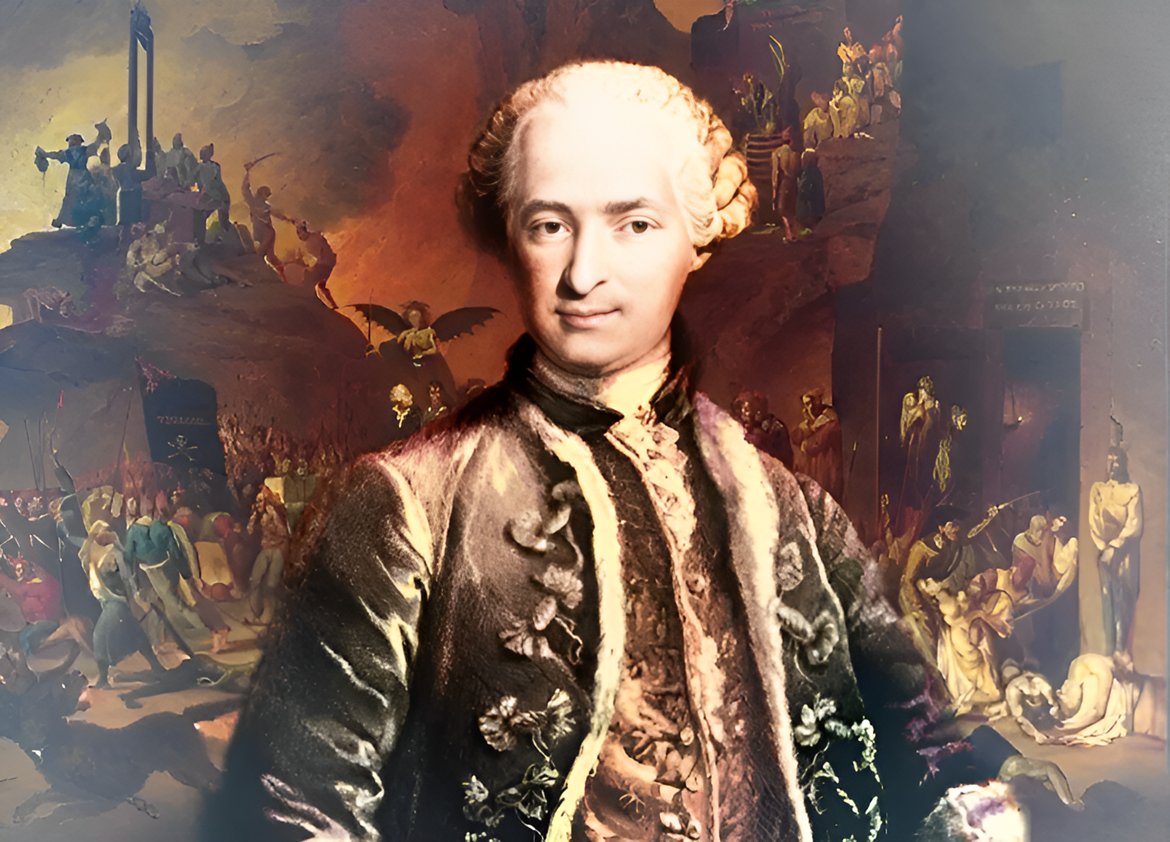
Imagine meeting a man who claims to be over 500 years old, who speaks many languages, who knows the secrets of alchemy, and who has rubbed shoulders with some of the most famous people in history. Sounds impossible, right? But that is exactly what some people say about the Count of St. Germain, a mysterious figure who appeared in Europe in the 18th century and fascinated everyone with his charm, wit, and knowledge.

Who was this man, and how did he achieve such longevity and fame? Was he a fraud, a genius, or something else? In this article, we will explore the life and legend of the Count of St. Germain, and see if we can uncover some of his secrets.

The Origins of the Count

The first problem with trying to trace the Count’s history is that he never revealed his true name or birthplace. He used many aliases and titles, such as the Marquis de Montferrat, the Comte Bellamarre, the Chevalier Schoening, and the Prinz Ragoczy. He also claimed to be the son of various nobles, such as the Prince of Transylvania, the Duke of Medici, or the King of Portugal.

Some sources suggest that he was born in the late 1600s or early 1700s, in either Italy, France, Germany, or Spain. Others say that he was much older, and that he had lived since the time of Christ, or even before. He himself hinted at his extraordinary age, saying things like “I have seen that” or “I knew that” when referring to historical events.

One thing is certain: he was well-educated and well-traveled. He spoke many languages fluently, including French, German, English, Spanish, Portuguese, Russian, Chinese, Latin, Arabic, Greek, and Sanskrit. He was also well-versed in science, philosophy, history, art, and music. He could play the violin, the piano, and the harpsichord, and he composed his own songs. He was also skilled in painting, engraving, and jewelry-making.

The Adventures of the Count

The Count first appeared in the high society of Europe in 1742, when he visited the court of King Louis XV of France. He impressed the king and his mistress, Madame de Pompadour, with his knowledge and charisma. He also befriended many other influential people, such as Voltaire, Casanova, Mozart, and Catherine the Great. He was invited to many parties, balls, and salons, where he entertained the guests with his stories, jokes, and magic tricks.

He also claimed to have some supernatural abilities, such as the power to read minds, to see the future, to heal diseases, and to make himself invisible. He also said that he had discovered the secret of alchemy, the mystical science that aims to transform base metals into gold and to create the elixir of life, a potion that grants immortality. He showed off his alchemical skills by producing precious stones, coins, and powder from ordinary materials. He also offered his elixir to some of his friends, who claimed that it made them feel younger and healthier.

The Count’s fame and fortune attracted the attention of some enemies, who accused him of being a spy, a fraud, or a heretic. He was arrested several times, but he always managed to escape or to get released. He also moved frequently from one country to another, sometimes disappearing for years, only to reappear in a different place, looking as young and handsome as ever.

The Death and Legacy of the Count

The Count’s last known appearance was in 1784, when he visited the court of Prince Charles of Hesse-Kassel in Germany. The prince was a friend and admirer of the Count, and he gave him a castle to live in. The Count spent his time there studying, writing, and experimenting. He also predicted that he would die soon, and he prepared his will and his tombstone.

On February 27, 1784, the Count died, apparently of pneumonia. He was buried in a nearby church, and his belongings were given to his friends and relatives. However, some people doubted that he was really dead, and they expected him to return someday. In fact, there have been many reports of sightings of the Count in the following centuries, in various places and times. Some say that he was seen in the French Revolution, the Congress of Vienna, the court of Napoleon, the American Civil War, and even in the 20th century.

The Count of St. Germain has become a legend, a symbol of the quest for immortality and enlightenment. He has inspired many books, movies, songs, and games, and he has been associated with various esoteric movements, such as theosophy, Rosicrucianism, and new age. He has also been compared to other mysterious figures, such as the Wandering Jew, the Immortal Keanu Reeves, and the Doctor from Doctor Who.

Whether he was a real person or a myth, the Count of St. Germain remains one of the most fascinating and enigmatic characters in history, and his story continues to intrigue and inspire people today.


The Bosnian Pyramid of the Sun: A Controversial Mystery

 Conspiracy, Featured  Comments Off on The Bosnian Pyramid of the Sun: A Controversial Mystery
Jan 022024
 

Explore the mysterious Bosnian Pyramid of the Sun, a controversial enigma challenging history. Uncover ancient wonders and energy phenomena in this intriguing investigation

Deep in the heart of Bosnia, near the town of Visoko, there rises an immense hill known as the Bosnian Pyramid of the Sun. Some people believe this hill is no ordinary piece of nature but instead a creation of an ancient civilization. Standing at about 220 meters, it is considered by some to be the world’s largest pyramid, even taller than the Great Pyramid of Giza in Egypt.

The Discovery of the Bosnian Pyramid

Dr. Semir Osmanagić, a man passionate about ancient history, felt there was more to the hill than meets the eye. In 2005, he claimed that this hill was in fact a man-made pyramid. This sparked a wave of interest and started many excavations in the area.

The Alignment with Cosmic Features

One of the remarkable things about the Bosnian Pyramid of the Sun is how it is positioned in the world. It is said to be perfectly aligned with the cardinal points: North, South, West, and East. This alignment is not usually seen in natural formations, suggesting that the pyramid could be the product of intelligent design. Furthermore, the pyramid faces North with an error of only 0 degrees and 12 minutes, which indicates a precise orientation, not something commonly found by chance.

The Geological Analysis

When scientists and researchers took a closer look at the hill, they found that the material covering it could be different from just regular dirt and rock. They found blocks that looked like concrete, and upon testing, they discovered that the hardness and water absorption of this material were higher than the industry standards for modern concrete. This discovery led some to believe that if this was indeed a pyramid, then whoever built it had access to a well-developed concrete technology.

Excavated Subterranean Structures

Excavators also found a network of tunnels and chambers beneath the Bosnian Pyramid of the Sun. Some supporters of the pyramid theory claim that these tunnels are evidence of an intricate system built alongside the pyramid, possibly for transportation, communication, or even as part of an ancient energy source.

The Radiocarbon Dating of Organic Materials

During the excavations, organic materials were found between the concrete-like blocks. These materials, such as leaves and wood pieces trapped during the construction, were subjected to radiocarbon dating. The tests suggested that they were from a time period that coincides with the age when the pyramid would have been built, around 24,000 years ago.

Unusual Energy Phenomena

Many who have visited the site talk about unusual energy phenomena. Some researchers have measured electromagnetic waves emanating from the top of the pyramid. They have also detected ultrasound waves – sound waves that are higher than what the human ear can hear – coming from the pyramid. Such energy emissions are difficult to explain in a natural context, leading some to speculate that the pyramid could have been designed with a purpose that we do not yet understand.

The Scale and Labor Implications

The sheer size of the Bosnian Pyramid of the Sun implies that if it is an artificial structure, a significant amount of work went into its construction. This further suggests the existence of a highly organized society with the capabilities to undertake such a monumental task. The logistics of transporting the materials and the workforce necessary would have been immense.

Ancient Texts and Legends

Some researchers look toward regional folklore and ancient texts that speak of pyramids or great structures in the region. These stories serve as indirect evidence, providing cultural context that could give insight into the existence of ancient pyramids in the region.

The International Interest and Impact on the Local Community

There has been growing international interest in the Bosnian Pyramid of the Sun. The site has attracted tourists, researchers, and even volunteers from around the world eager to be a part of the unfolding story. The local community has seen a positive impact, with increased business and global recognition.

The Skeptics and the Ongoing Study

Many experts remain skeptical about the claims of the Bosnian Pyramid of the Sun being a man-made structure. They argue that the hill could merely be a natural formation known as a flatiron. Despite this skepticism, Osmanagić and his team continue to study the site, confident that further investigation will reveal more evidence in favor of the pyramid’s authenticity.

Conclusion

The Bosnian Pyramid of the Sun remains a subject of fascination and controversy. Supporters claim that the alignment, materials, subterranean tunnels, and energy observed support the theory that the hill is a prehistoric pyramid. Critics call for caution, but the ongoing study and excavation promise to add more to this captivating mystery. Whether it is the remnants of an ancient civilization or an oddity of nature, the Bosnian Pyramid of the Sun unquestionably stirs the human imagination and invites the world to explore the wonders of our past.

Watch this fascinating video on the subject:


Indigo Children: The Mysteries Surrounding Them

 Conspiracy, Featured  Comments Off on Indigo Children: The Mysteries Surrounding Them
Dec 282023
 

Dive into the enigma of Indigo Children, exploring their origins, unique traits, and the controversies that surround this fascinating phenomenon. Uncover the mysteries within!

Have you ever heard about Indigo Children and wondered who they are or where the idea came from? These unique individuals are believed by some to possess extraordinary traits and talents that set them apart from the rest of society. Let’s explore the origin of this concept and the characteristics that are said to define an Indigo Child.

The Origins of the Indigo Phenomenon

The story of Indigo Children began in the 1970s. A woman named Nancy Ann Tappe, who had a unique skill of perceiving a person’s aura, noticed something unusual. Auras are believed to be colorful energy fields surrounding a person, and Nancy claimed to see them. She observed that, starting in the 1970s, many children were being born with indigo-colored auras. This was a new and intriguing change from the other colors she had seen in human auras over the years.

Tappe later published a book in the 1980s where she discussed these Indigo Children in more detail. She believed that their unique aura color was a sign of their special mission and consciousness. It wasn’t long before other authors and researchers began to take notice, and the idea of Indigo Children entered the public consciousness.

The concept really gained momentum in the late 1990s and early 2000s, as more books and materials were published about Indigo Children. Parents began to identify their children’s unusual behaviors with the traits described in these books, and the movement grew.

What Makes an Indigo Child?

While there’s no scientific proof that Indigo Children are different from anyone else, those who believe in the concept argue that these kids share a distinctive set of characteristics. Here’s a breakdown of some common traits often associated with Indigo Children:

  • Highly intuitive: Indigo Children are said to have a natural understanding of the world and people around them. They seem to have a deep insight into situations and relationships, often feeling things before they happen.
  • Independent and strong-willed: They don’t just go along with what others say or do. Instead, they have a strong sense of self and are determined to make their own path.
  • Creative: Whether it’s art, music, or writing, Indigo Children are typically connected with a rich inner world of creativity. They may be drawn to expressing themselves in ways that aren’t always conventional.
  • Emotionally sensitive: Indigos might have big reactions to emotional situations. They can be greatly affected by the feelings of others and may have a hard time dealing with harsh environments.
  • A sense of being different: From a young age, Indigos might feel like they just don’t fit in. They often sense that they stand out from their peers and sometimes find it challenging to connect with others who don’t share their perspective.
  • Issues with authority: Indigo Children might challenge the status quo and question rules or authority that don’t make sense to them. They are not ones to follow orders blindly and want reasons for why things are done a certain way.
  • A drive for change: Many Indigos are thought to have a strong desire to make the world a better place. They are often passionate about environmental, social, and personal causes.
  • Technologically adept: Growing up in an age of rapid technological advancement, Indigo Children seem to have a knack for understanding and using technology with ease.

The Challenges and Misunderstandings

Indigo Children, according to believers, face a world that is not always ready for their unique qualities. The traditional school system, social norms, and even family dynamics can be particularly challenging for these children. Their strong will and sensitivity can sometimes be misinterpreted as misbehavior or emotional instability. As a result, they might be misunderstood by teachers, parents, and peers.

This misunderstanding can lead to struggles with self-esteem and identity as Indigo Children try to conform to expectations that don’t align with their innate characteristics. Some might even be labeled with attention or behavior disorders when in traditional systems that don’t support their distinct ways of thinking and feeling.

The Controversy and the Skeptics

It’s important to note that the concept of Indigo Children is not without its critics. The scientific community, for the most part, does not recognize Indigo Children as a distinct category of people. Critics argue that the traits associated with Indigo Children are vague and can be applied to many children, making the phenomenon seem more common than it might be.

Skeptics also point out that the perception of an indigo aura and other characteristics is subjective and not based on observable evidence. Furthermore, attributing a child’s struggles purely to their supposed indigo nature may prevent them from receiving the help they need for actual learning or behavioral challenges.

A Cultural Phenomenon That Reflects Our Times

Regardless of the debates surrounding their existence, the concept of Indigo Children speaks to a desire for understanding and categorizing the vast range of human experiences. These kids represent, for many, a hope for a new generation that will challenge outdated systems and bring about positive change.

Indigo Children may also reflect a cultural shift towards valuing empathy, creativity, and independence over traditional metrics of success. As we move further into a world where information is at our fingertips and societal structures are ever-evolving, perhaps what we’re really seeing in the rise of Indigos is a larger transformation in the way we view potential and individuality.

Indigo Children are a fascinating concept that continues to inspire discussion and perhaps a greater awareness of how we recognize and nurture the unique qualities in every child.


Who Really Killed Malcolm X: Theories of Government Involvement

 Conspiracy, Featured, Political  Comments Off on Who Really Killed Malcolm X: Theories of Government Involvement
Dec 152023
 

This fascinating deep dive explores the mysterious circumstances around Malcolm X's assassination and the possibility he was killed due to threats he posed to the FBI and CIA. With new perspectives and unanswered questions, was the civil rights leader secretly silenced by covert government forces aiming to stop his powerful message?

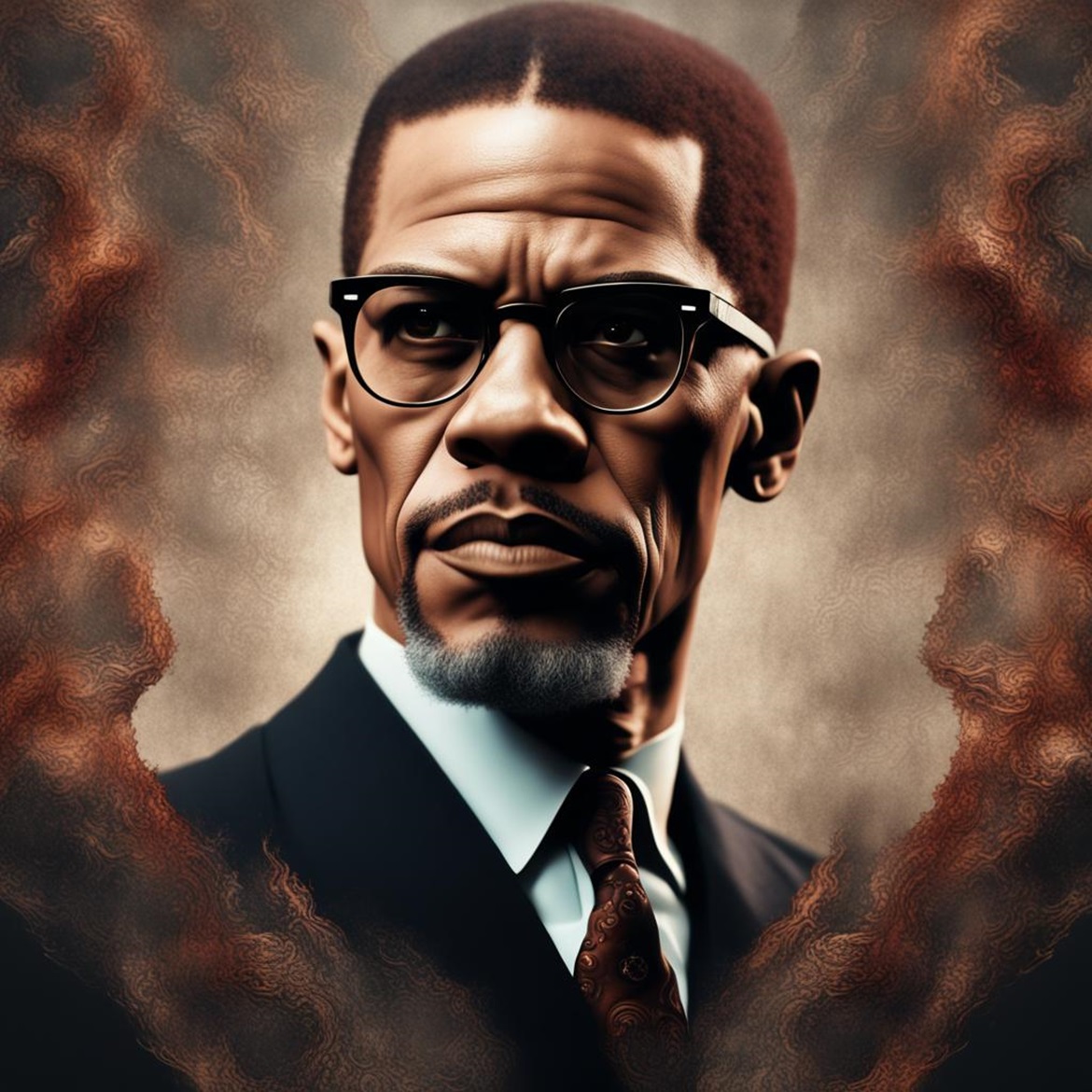
Malcolm X was one of the foremost leaders of the civil rights movement in the 1960s. Starting as a spokesperson for the Nation of Islam, he advocated for black empowerment and pride. But late in his life, something changed that put him at odds with powerful forces.

Malcolm’s Message Begins to Evolve

While with the Nation of Islam, Malcolm’s message focused on black separatism and overturning white oppression. But after leaving the group in 1964, his views became more nuanced. He began meeting with civil rights leaders like Martin Luther King Jr. and believed black Americans should work with others in the fight against racism. This new direction went against what the Nation of Islam taught. They saw Malcolm as a traitor for abandoning their cause. Meanwhile, the government saw Malcolm’s critiques of American society and foreign policy as a potential threat. As his message spread, so did the uneasy feelings of those he publicly disagreed with.

Suspicious Circumstances Surround the Murder

On February 21, 1965, Malcolm X was shot and killed during a speaking event in New York. Three members of the Nation of Islam were convicted of the crime. But many details of the case don’t make complete sense. For one, the bullets recovered from the scene didn’t match the guns police said were used. Witnesses reported that other men were working with the shooters to create chaos. And the evidence gathering was sloppy, leaving key pieces unaccounted for. If the police investigation seemed off, was the public getting the real story?

The FBI Takes an Interest in Malcolm

We know the FBI kept extensive files on Malcolm X as part of their COINTELPRO program to disrupt activist groups. Documents reveal they tried pressuring him to stop criticizing the government and its treatment of blacks. They even had undercover agents posing as Nation members to gather intel. Could the FBI have gone further than surveillance and wanted Malcolm eliminated? It seems they saw him as a destabilizing figure who encouraged rebellion. And the FBI has done questionable things in the past, so dismissing this idea requires an open mind.

The CIA Was No Angel Either

During this time, the CIA was deeply involved in covert and illegal operations. They conducted extensive spying on American citizens, assassinated foreign leaders, and carried out experiments on humans. We now know the agency also kept tabs on Malcolm. What’s more, the head of their counterintelligence unit was James Angleton, a notorious crusader against internal Soviet threats. Did someone with Angleton’s extreme views get the green light to permanently silence Malcolm? It’s plausible and deserves investigation.

Piecemeal Disclosures Over the Decades

It’s important to note that information about the FBI and CIA’s surveillance of Malcolm was only gradually disclosed over many years through Freedom of Information Act requests. They didn’t volunteer this material; they had to be forced to release it bit by bit. Even then, files remain heavily redacted. This drip-feeding of evidence suggests they don’t want a full story to emerge. Were they actively involved in something more sinister than such disclosures could reveal? It’s reasonable to wonder.

Unanswered Questions Around Alleged ASSASSINS

The three men convicted of killing Malcolm also had mysteries surrounding them. One claimed witnesses misidentified him and insisted he was in another city at the time. The ballistics evidence debunking undermined the case against all three. Were any of the convicted men truly part of a wider conspiracy that the actual masterminds behind the counterintelligence agencies wanted buried? We may never get definitive answers from the graves of those who should have provided them decades ago.

Malcolm Predicted His Own Death

In chillingly prescient remarks, Malcolm told friends and aides in early 1965 that he believed powerful forces would soon try to get rid of him. Considering the extreme lengths the FBI and CIA had gone to previously, was this prophetic warning a sign he knew dark forces meant to silence him for good? The unsolved mysteries continue to raise difficult questions.

Unanswered Questions Remain Over 50 Years Later

Even today, FBI and CIA files on Malcolm remain heavily redacted. Why the ongoing secrecy? The official story also leaves logical holes. While hard evidence may never emerge, the suspicious activity of investigators and intelligence agencies can’t be ignored. Considering Malcolm was transforming the dialogue on race relations, both the Nation of Islam and the U.S. government had compelling reasons to stop his momentum. By keeping an open yet wary perspective, honoring Malcolm may mean continuing the pursuit of truth beyond what’s been handed down. The full picture of his tragic death remains as murky as that cold February day in 1965.