People On Earth
Amusing, Information
Comments Off on People On Earth
Apr 062017
“I think she just knows that there’s a lot of different friends in the world.”
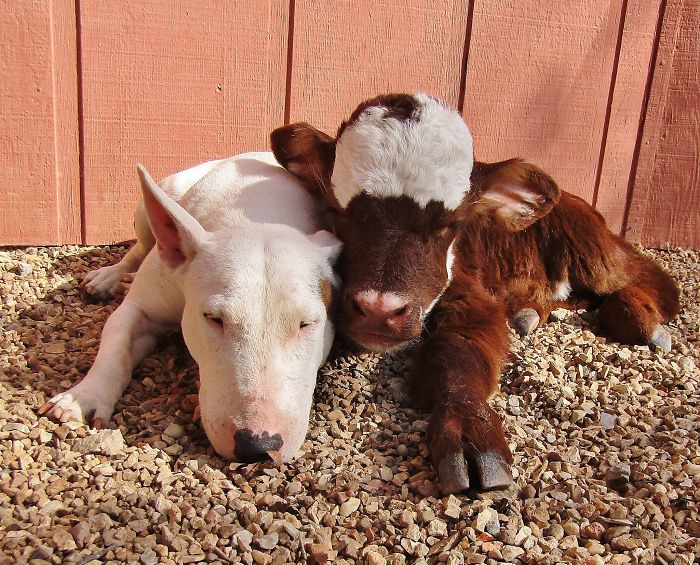
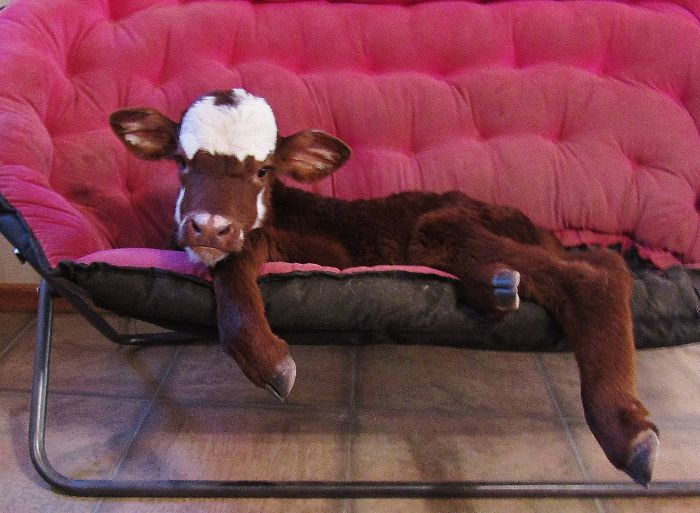
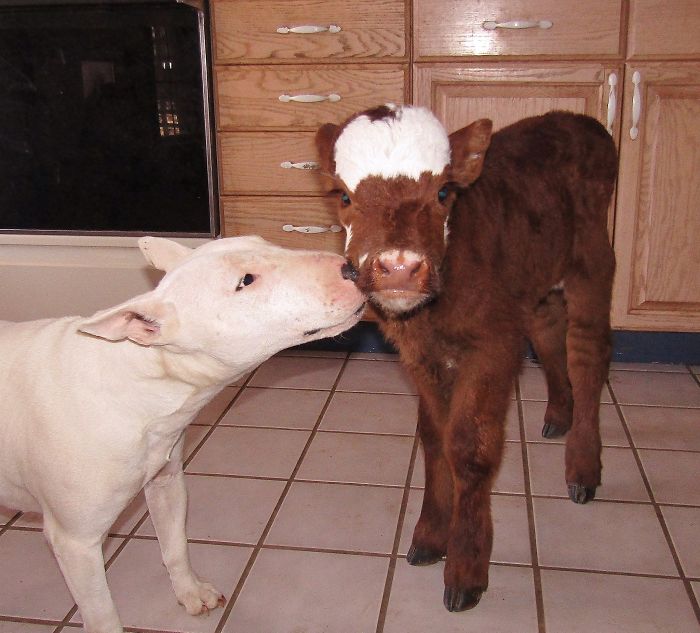
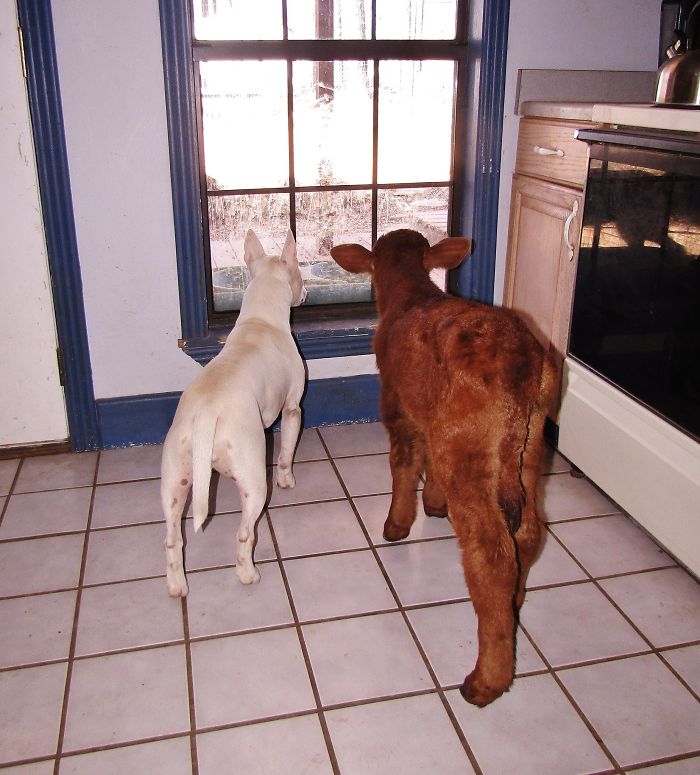
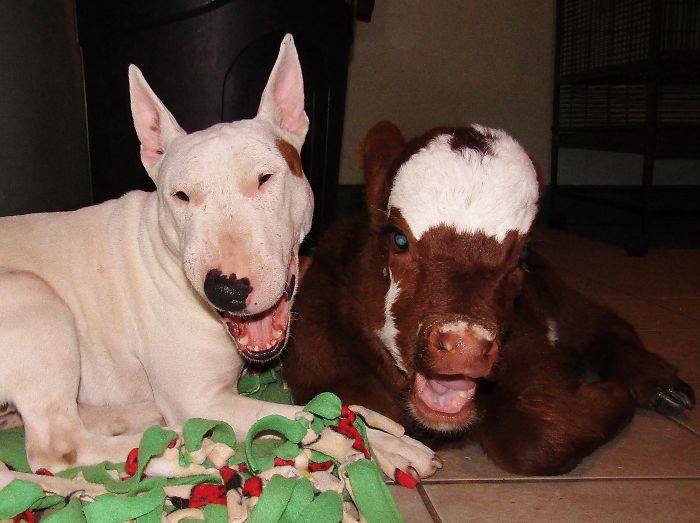
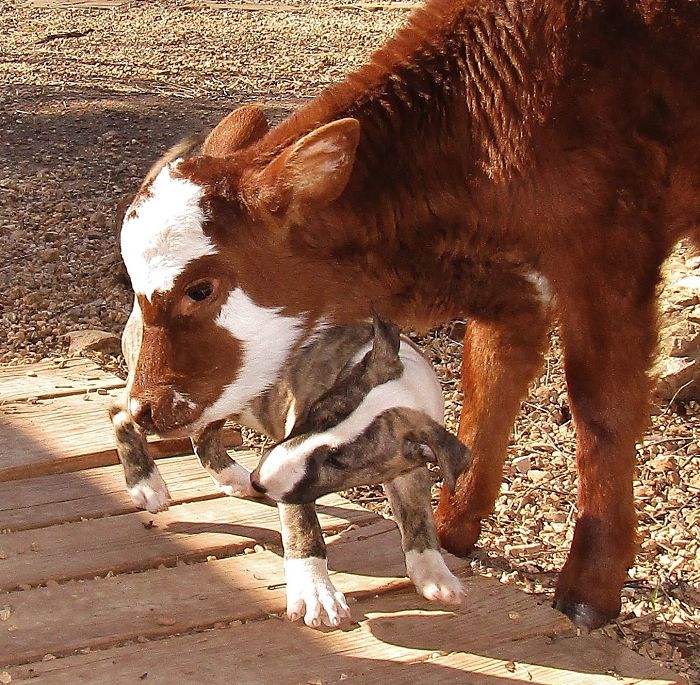
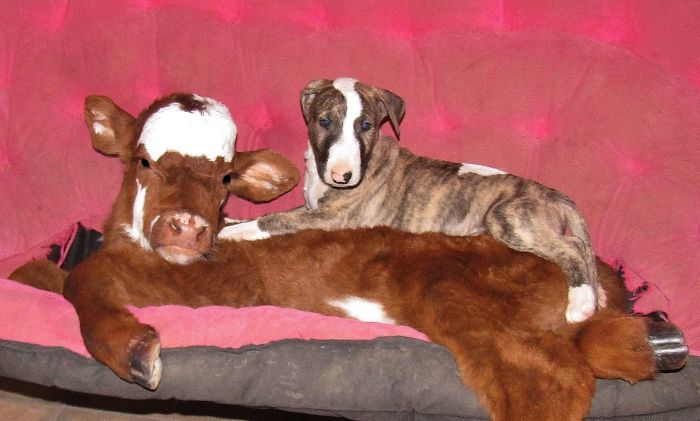
Because Moonpie is tiny, she was allowed to stay indoors with Janice’s 12 dogs due to poor weather upon arrival. In no matter of time, the canines befriended her and the story goes that she now believes she’s part of the pack. In an interview with The Dodo, Janice said:
The dogs serve as her surrogate moms, said Janice. “They clean her face, the way her mother would have. They love to do that… They were all thrilled to see her.”
One of Moonpie’s favorite friends is a deaf bull terrier named Spackle.
Moonpie even learned how to “use the bathroom,” according to Wolf. Like the dogs, she holds the urge to defecate or urinate until she is outside.
Now that the weather is nice and Moonpie is beginning to venture outdoors more. However, there’s still a lot more growing to do before she can be introduced to the other rescue animals, including a water buffalo, a zebra, capybaras, pigs, dogs, goats, an emu, other cows, and chickens. Fortunately, she has a large family of canines to keep her company. |
Insane MINI COOPER Fitted With A Helicopter Jet ENGINE With 420HP & 400 ft-lb Torque!
An all wheel drive Mini Cooper S with a Helicopter engine! It must be hot inside that car. :) Would you dare to drive this thing?
|
Behold: Foghorn Leghorn in real life![arve url=”https://commonsenseevaluation.com/wp-content/uploads/2017/03/Real-Life-Foghorn-Leghorn.mp4″ /] The Brahma ChickenOften referred to as the “King of All Poultry,” the Brahma chicken is appreciated for its great size, strength, and vigor. By 1901 some individual birds were documented to have reached the incredible weights of 13-14 pounds for hens and 17 to 18.25 pounds for cocks – though 10 pound hens and 12 pounds cocks were the rule. This breed, together with the Cochin, fueled what became known as “Hen Fever” – a national obsession for poultry that hit both America and England around 1850. Brahmas are large chickens with feathers on shanks and toes, pea comb, smooth fitting plumage with dense down in all sections, and broad, wide head with skull projecting over the eyes – termed “beetle brow.” They come in three color varieties – the Light, the Dark, and the Buff. Both the Light and the Dark Brahma were accepted to the American Standard of Perfection in its first printing in 1874. Though from the beginning some buff specimens were produced periodically, it was not until 1924 that the Buff Brahma was accepted as standardized as well. Few breeds have as much controversy as to their origins as does the Brahma chicken. While many varied claims were originally accepted as fact by early authors, the truth of the matter is that this breed was developed in America from very large fowls imported from China via the port of Shanghai. It also seems clear that Chittigong fowls from India (now Bangladesh) were used to a very small degree and stamped head and comb characteristics onto the breed – differentiating it from the Shanghai breed (now known as the Cochin). In those early days it should be remembered there were no written standards, no poultry associations, and no registries. Since what became known as the Brahma chicken was being presented under at least twelve names, there was much confusion. The credit for shortening the name to Brahma goes to T.B. Miner, publisher of The Northern Farmer, who in 1853 or 1854 did so for very practical reasons – saving space on the printed page! In December 1852, to promote his stock, Mr. George Burnham shipped nine of his finest as a gift to H.M.G. Majesty Queen Victoria of England – making sure the gift was much publicized. Prices jumped from $12-15 per pair to $100-150. Burnham’s stock proved of quality and formed the basis for the Dark Brahma variety – which was developed in England and later shipped back to America. Dark Brahmas tended to be about one pound lighter in weight than the Light Brahma. From the beginning Brahmas have been recognized not only for their unusual appearance and size, but also for their practical qualities. First and foremost Brahmas are found to be extremely hardy chickens. They are also good egg-layers for their size. Considered a superior winter-layer, they produce the bulk of their eggs from October to May. The eggs of the Brahma are large and uniformly medium brown in color. The hens tend to go broody in early summer and will sit devotedly on their nests. But because of the size of the hen, trampling of the chicks must be guarded against for the first few days after hatch. The Brahma was generally considered the leading meat breed for the period of time from the mid-1850’s through about 1930 – some 70 plus years. As broilers, Brahma chicks were killed quite young, about 8-10 weeks of age. They made a most profitable roaster at 8 months, later than many breeds, but it was found that virgin cockerels were still tender as roasters at 12-13 months – making them competitive against capons. As a family fowl they were unequaled, and a large Brahma could feed a moderate-sized family. Brahmas thrive best on dry, well-drained soils and moist, cool climates. The feathering of their shanks and toes is a negative where the ground is damp and muddy – the mud clinging to the feathers and frostbite then being possible for their toes. The breed is easy to contain, not being able to fly low fences very easily. They also stand confinement extremely well – having calm and docile personalities. Like the Cochins, Brahmas are not wide ranging fowl or as active in scratching as the Mediterranean breeds. The Brahma is an ideal fowl for northern climates. It was popularly known as the least susceptible chicken to cold and exposure – owing this strength to its pea comb and tight feathering with down through all sections. It is not an ideal fowl for southern climates.
|
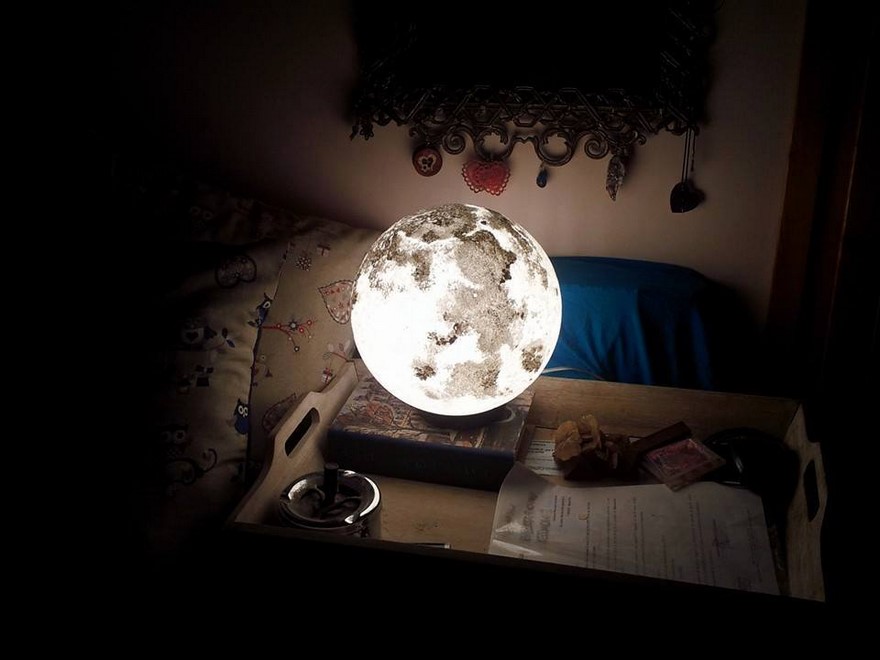
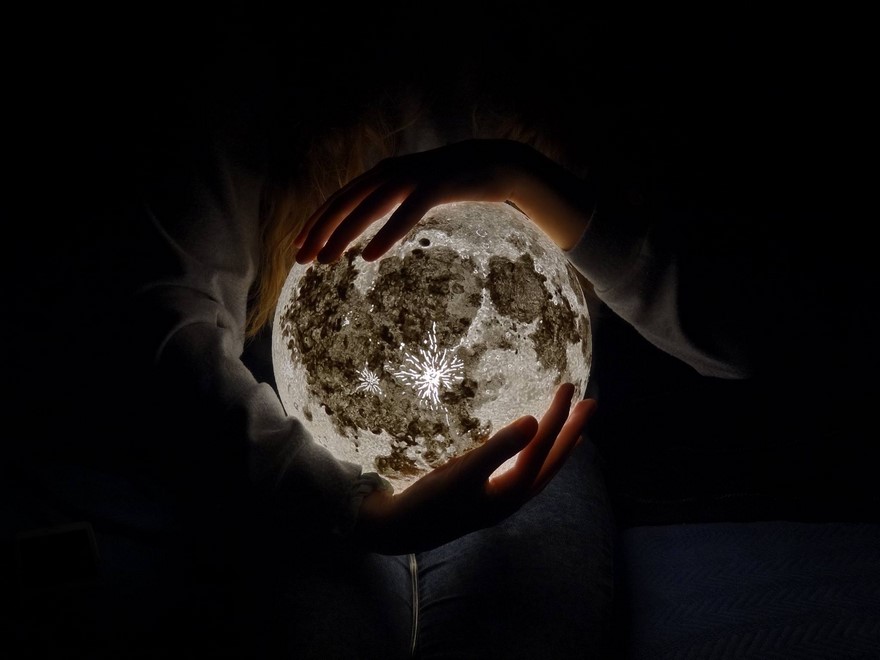
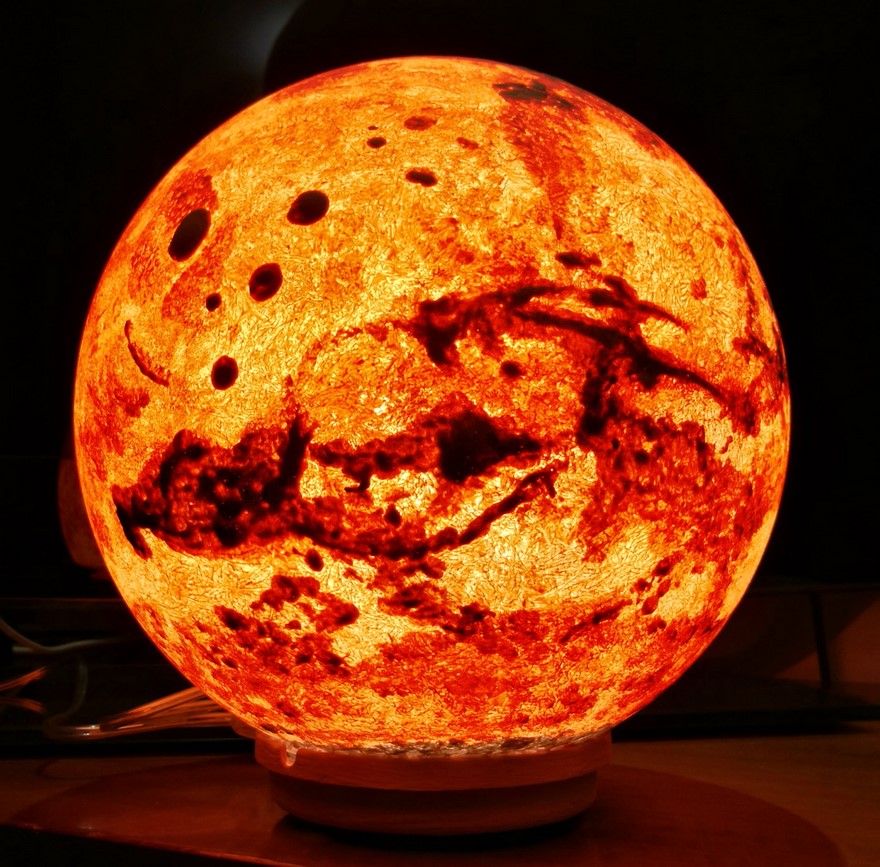
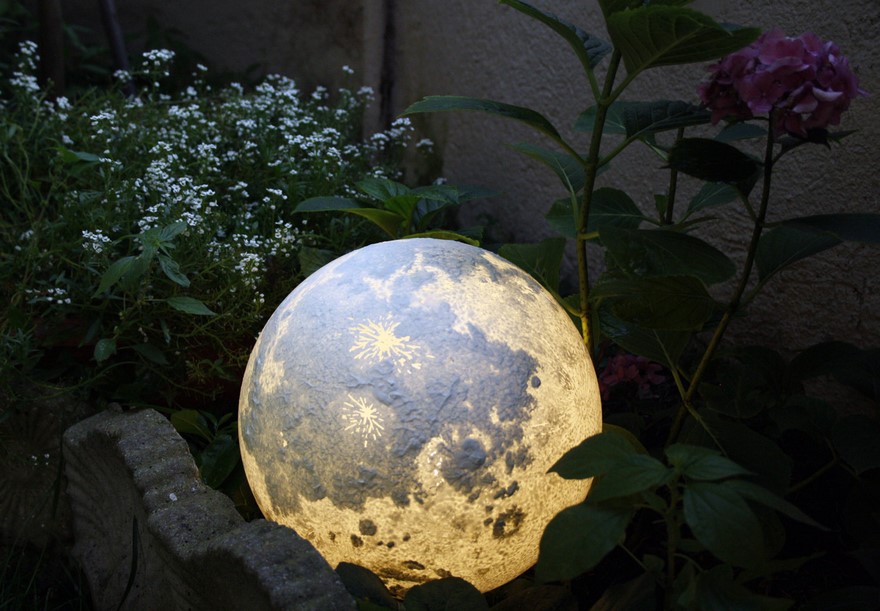
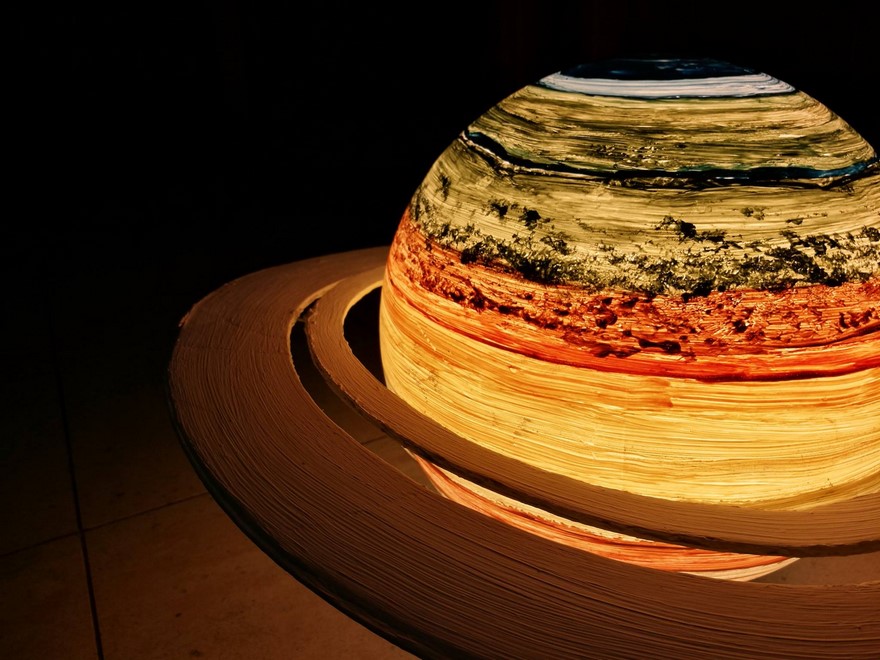
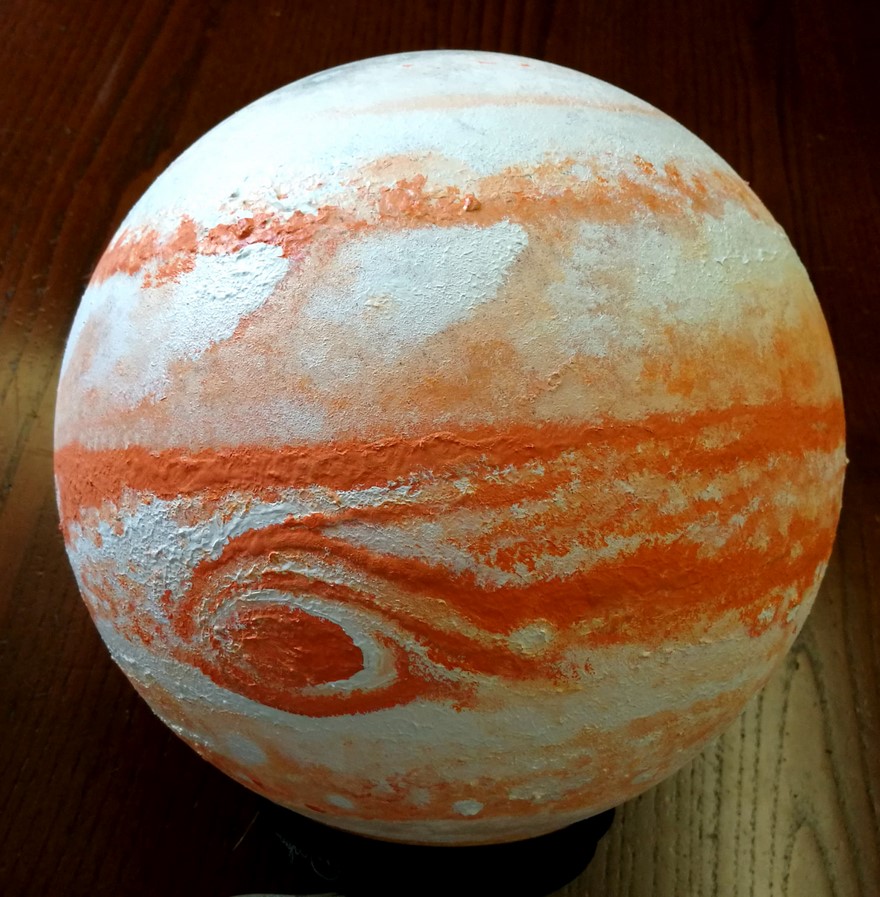
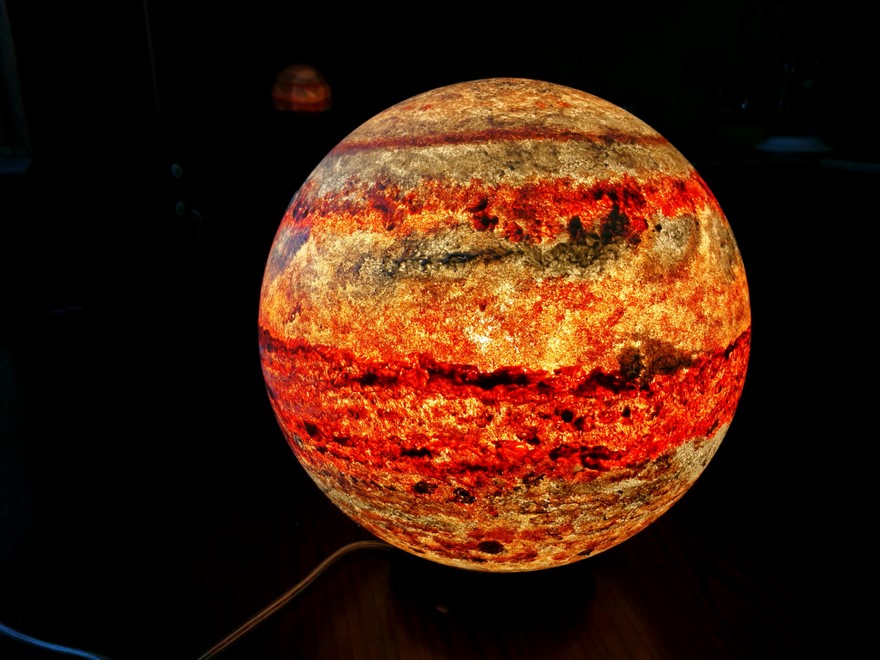
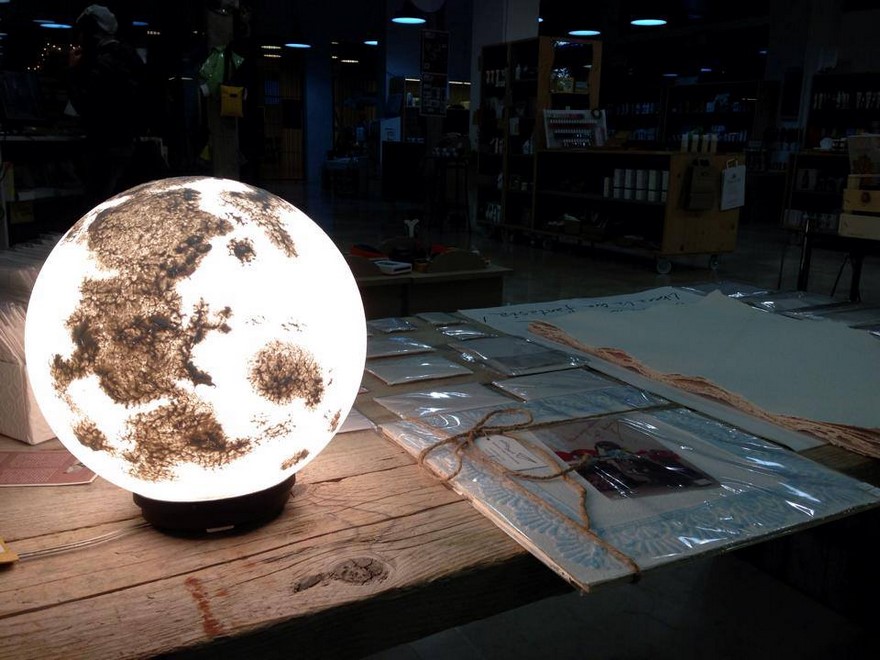
Though it will be many decades before regular ol’ citizens are afforded the chance to visit outer space, one can still delight in the majestic and unknown with incredible moon and planet lamps. Sold on Etsy by Pulsar Moonlight, each is handcrafted by a woman named Maria who is of Italian descent and works as an astrophysicist.
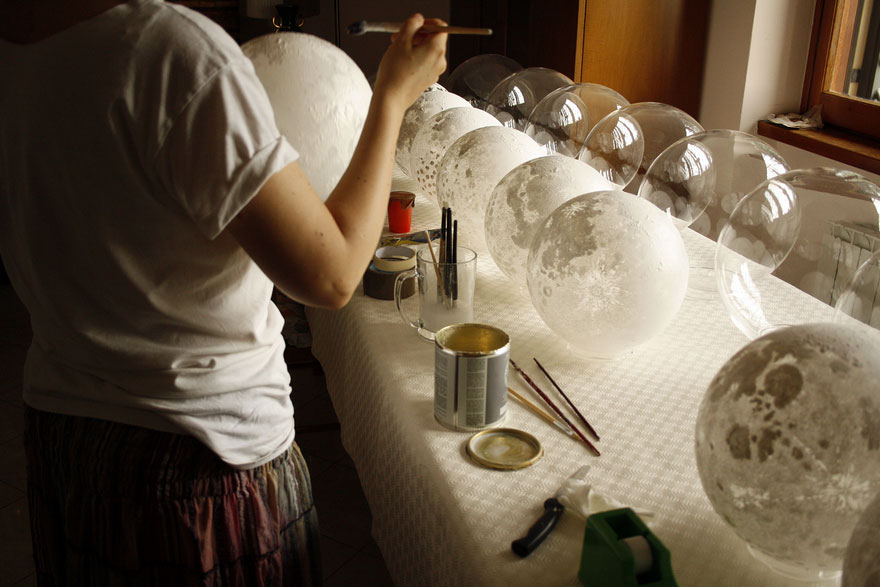
The lamps are made from recycled outdoor/garden globes and are decorated using non-toxic paint. No two are the same and there are a variety of planets one can choose from.
Maria was reportedly inspired to create the intriguing lamps when looking for ways to raise money for animal charities. After two years of donating all proceeds to organizations, she decided to turn the hobby into a business.
“Until now (I started 2 years ago), every single penny I earned went to charity,” Maria told Bored Panda. “I try to help any kind of animal, but, so far, I rescued only dogs and cats.”
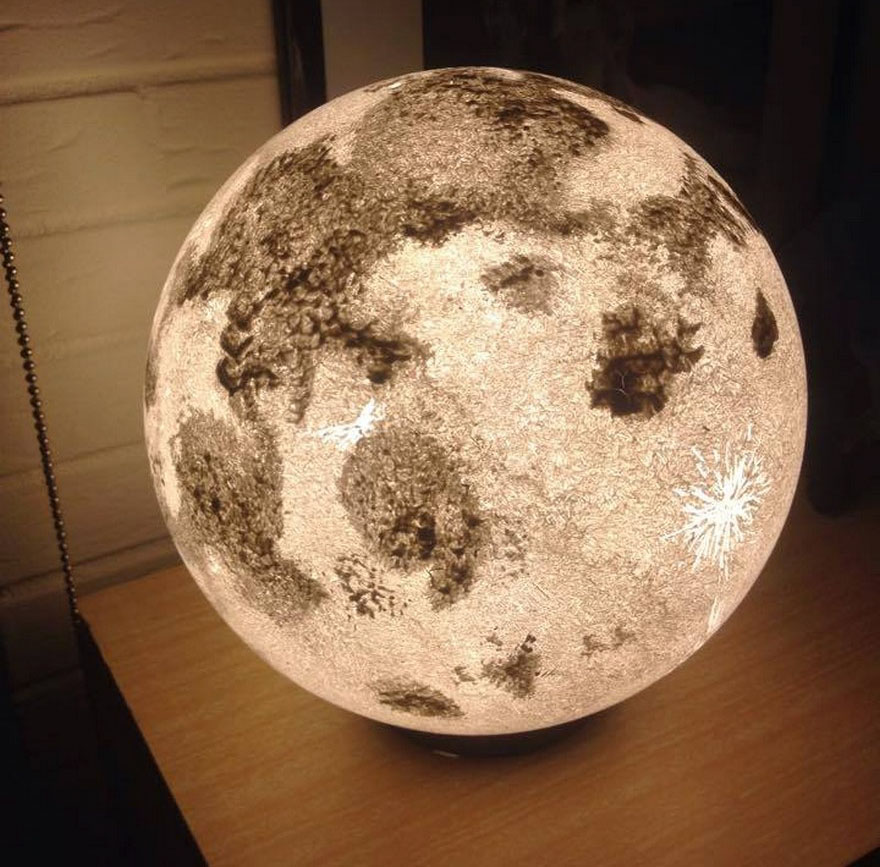
The astrophysicist models the lamps off of scientific pictures which serve as a reference guide. She strives to ensure that the craters and depressions match images captured by satellites.
“Every moon has six layers, each to give a different effect,” she explained. “To make one moon takes about 4-6 hours of work.”
“For the planet, it takes longer because there are more layers and, in some places, the color is very thick so it dries very slowly,” she added.
The artist and astrophysicist is constantly changing the globes based on new images which are released by NASA. She said,
“NASA often releases new images, so I have to study them and change my paintings according to new discoveries.”
A unique individual who relishes being both creative and rational, Maria says she believes that “people can feel I have put my best efforts to give them something positive that can spread joy and peace.”
“Every day, before painting, I do my yoga practice, to give to the moon a good vibe and energy.”