They told us the future would be cleaner, smarter, and more efficient. Instead, we got cars that break down in ways no one can fix, dealerships that hold our vehicles hostage, and a slow creep of control over something that used to be ours: the freedom of the open road.
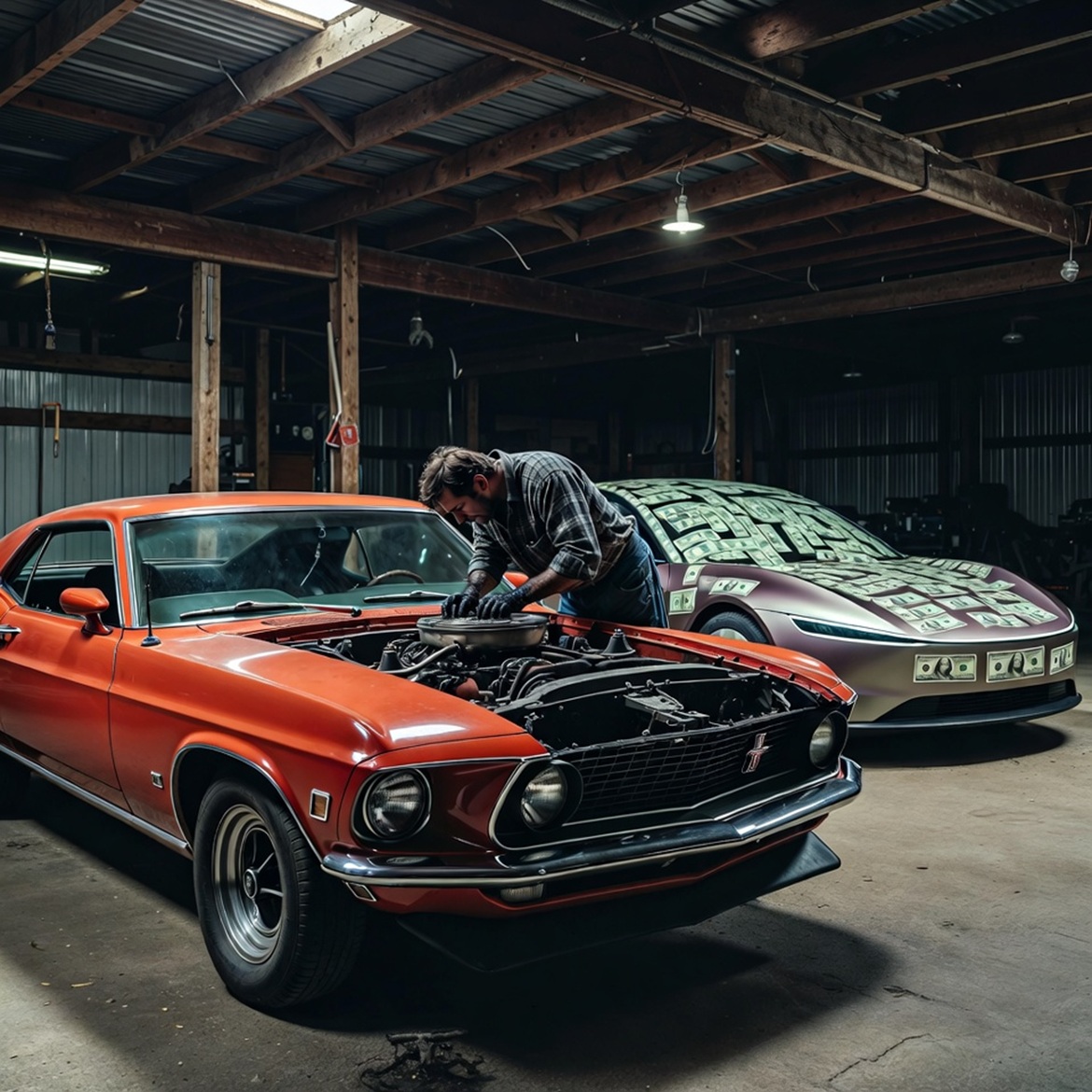
Twenty years ago, if your car sputtered on the highway, you pulled over, popped the hood, and fixed it. Maybe you had a buddy who knew engines. Maybe you just tinkered until it worked. Either way, the solution was in your hands.
Today? Good luck.
Modern cars are packed with sensors, proprietary software, and “emissions compliance” systems that turn a simple oil change into a diagnostic nightmare. Worse, the people who sold you the car—the same ones who swear they’re saving the planet—have made sure you can’t fix it yourself.
Why?
Because if you can’t fix it, you have to pay them. And if you can’t modify it, they control what you drive.
This wasn’t an accident. It was a takeover.
The Emissions Scam: How “Saving the Earth” Became a Cash Grab
Let’s be clear: No one likes pollution. But the way they’ve sold us on “clean cars” has nothing to do with the environment and everything to do with money and control.
Start with emissions systems. Modern cars have more computers than a 1980s NASA shuttle, all dedicated to monitoring exhaust gases, fuel mixtures, and God knows what else. One bad sensor? Your car goes into “limp mode” and won’t drive right until you pay a dealer $1,200 to reset it.
Who benefits? Not you. Not the planet. The people who sell the parts, the software, and the “certified” repairs.
Then there’s ethanol fuel. They told us it was greener. What they didn’t say? It corrodes engines faster, forces you to buy premium gas, and—surprise—makes your car dependent on more frequent (and expensive) maintenance.
And don’t get started on electric vehicles. You can’t even check the oil because there isn’t any. When the battery dies in five years, you’re looking at a $20,000 replacement—or a junkyard trip.
This isn’t progress. It’s planned obsolescence.
The Dealership Monopoly: Why Your Car Isn’t Really Yours
Here’s a fun fact: In most states, if you modify your car’s emissions system—even to improve efficiency—you’re breaking the law. The Environmental Protection Agency (EPA) has made it illegal to tamper with anything that affects exhaust, even if the changes make the engine run better.
Who enforces this? Dealerships. Because they’re the only ones “authorized” to touch these systems.
Need a new catalytic converter? That’ll be $3,000, please. And if you try to buy a used one? Illegal in many places. They’ve turned car ownership into a lease agreement where they call the shots.
Worse, they’ve convinced people this is normal. That you shouldn’t be able to work on your own car. That only “certified technicians” with $50,000 in diagnostic tools should be allowed under the hood.
Bullshit.
The Cars We Used to Have (And How to Get Them Back)
There was a time when cars were simple, durable, and repairable. No internet connection required. No “software updates” that brick your engine if you miss one. Just metal, fuel, and freedom.
Here’s how we bring that back:
1. Buy Pre-2000 (Before the Computers Took Over)
The best cars ever made? Most were built before OBD-II diagnostics became mandatory in 1996. No CAN bus system. No “check engine” light for a loose gas cap. Just mechanical parts you can see, touch, and fix.
- Best picks:
- Toyota Hilux (1980s-90s) – Runs forever, no electronics to fail.
- Ford F-150 (pre-1997) – Simple V8, easy to work on.
- Chevy Silverado (1990s) – No computer-controlled throttle, no nonsense.
- Jeep Cherokee XJ (1984-2001) – The last truly repairable SUV.
Bonus: These cars don’t need “specialized tools” to fix. A wrench, a socket set, and a little patience are all you need.
2. Strip Out the Emissions Junk (Where Legal)
If you own a pre-1996 car, you’re in luck—federal emissions laws don’t apply. That means you can:
- Remove the EGR valve (exhaust gas recirculation—it gums up engines).
- Delete the catalytic converter (if your state allows it).
- Swap in a carburetor instead of fuel injection (no more sensor failures).
Result? A car that runs stronger, lasts longer, and doesn’t strangle itself with “green” regulations.
(Note: Check your state laws. Some places still enforce smog checks on older cars. But in many rural areas? No one cares.)
3. Learn the Lost Art of Wrenching
The biggest lie they sold us? “You can’t fix cars anymore.”
Wrong.
- YouTube has every repair tutorial imaginable.
- Haynes manuals still exist for older cars.
- Local mechanics (the real ones, not dealership techs) will teach you if you ask.
Start small:
- Change your own oil.
- Replace spark plugs.
- Bleed your brakes.
Before you know it, you’ll be pulling engines like it’s 1975.
4. Fight Back Against the System
The more people refuse to buy new, overcomplicated cars, the harder it is for them to enforce this scam.
- Buy used. Starve the new car market.
- Support right-to-repair laws. Some states are pushing back—help them.
- Modify your car legally. If enough people ignore the emissions rules, they become unenforceable.
They want you dependent. Don’t let them win.
The Future They Don’t Want You to See
They’ll call you a polluter. A dinosaur. A threat to the planet.
But here’s the truth: The most sustainable car is the one that never breaks down. The one you can fix yourself. The one that doesn’t need a $10,000 battery swap every few years.
The world is waking up. People are realizing the “green” car movement wasn’t about saving the Earth—it was about controlling what you drive, how you drive, and who you pay to keep driving.
The fixable car isn’t dead. It’s just been hidden.
Time to bring it back.
What’s the last car you worked on yourself? And what’s stopping you from doing it again? Drop a comment—let’s keep this conversation alive.
Sorry, the comment form is closed at this time.